Annie Le and the building that watched her
Seventy cameras saw her walk in. None saw her leave. For five days, a building designed to track everyone could not account for her.
- When
- September 8, 2009
- Where
- 10 Amistad Street, Yale School of Medicine, New Haven, Connecticut
- Status
- Convicted
Content note murder, sexual assault mentioned without detail. No graphic images.

In brief
On September 8, 2009, Annie Le, a 24-year-old doctoral student in pharmacology at the Yale School of Medicine, left her purse and phone in her office and walked to her lab building at 10 Amistad Street in New Haven, Connecticut. Security cameras recorded her entering just after 10 a.m. None recorded her leaving. After a five-day search, investigators found her body hidden in a mechanical chase behind a basement wall on September 13, the day she was to be married. Key-card records, a bloody sock hidden in a ceiling and a green pen found beneath her led police to Raymond Clark III, a 24-year-old animal technician who worked in the building. In March 2011 he pleaded guilty to her murder and entered an Alford plea to attempted sexual assault. He was sentenced to 44 years in prison.
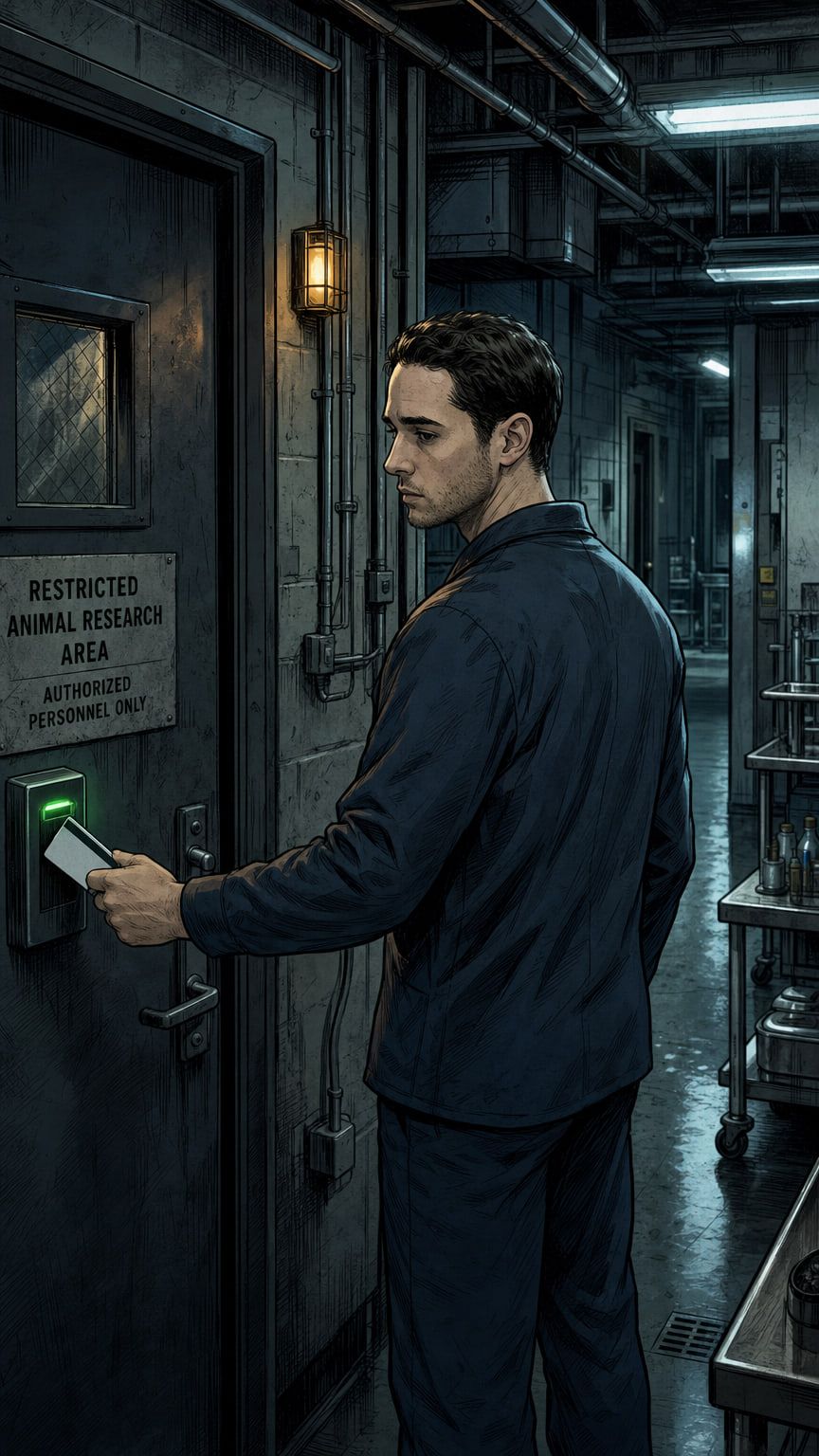
Turning pointCard-swipe records showed Le entering basement lab room G13 at 10:11 a.m. and never swiping out. Clark swiped in 29 minutes later.
- Victim
- Annie Le, 24, a PhD student in pharmacology at Yale
- Convicted
- Raymond Clark III, 24 at arrest, an animal research technician in the same building
- Last seen
- Entering 10 Amistad Street just after 10 a.m. on September 8, 2009
- Found
- September 13, 2009, her wedding day, hidden in a basement wall chase
- Key evidence
- Key-card records, a bloody sock with both their DNA, and a green pen beneath her body
- Sentence
- 44 years, June 3, 2011
Timeline
February 2009
Le's article "Crime and Safety in New Haven" is published in a Yale School of Medicine magazine. It includes an interview with the Yale police chief and advice on staying safe.
September 8, 2009Just after 10 a.m.
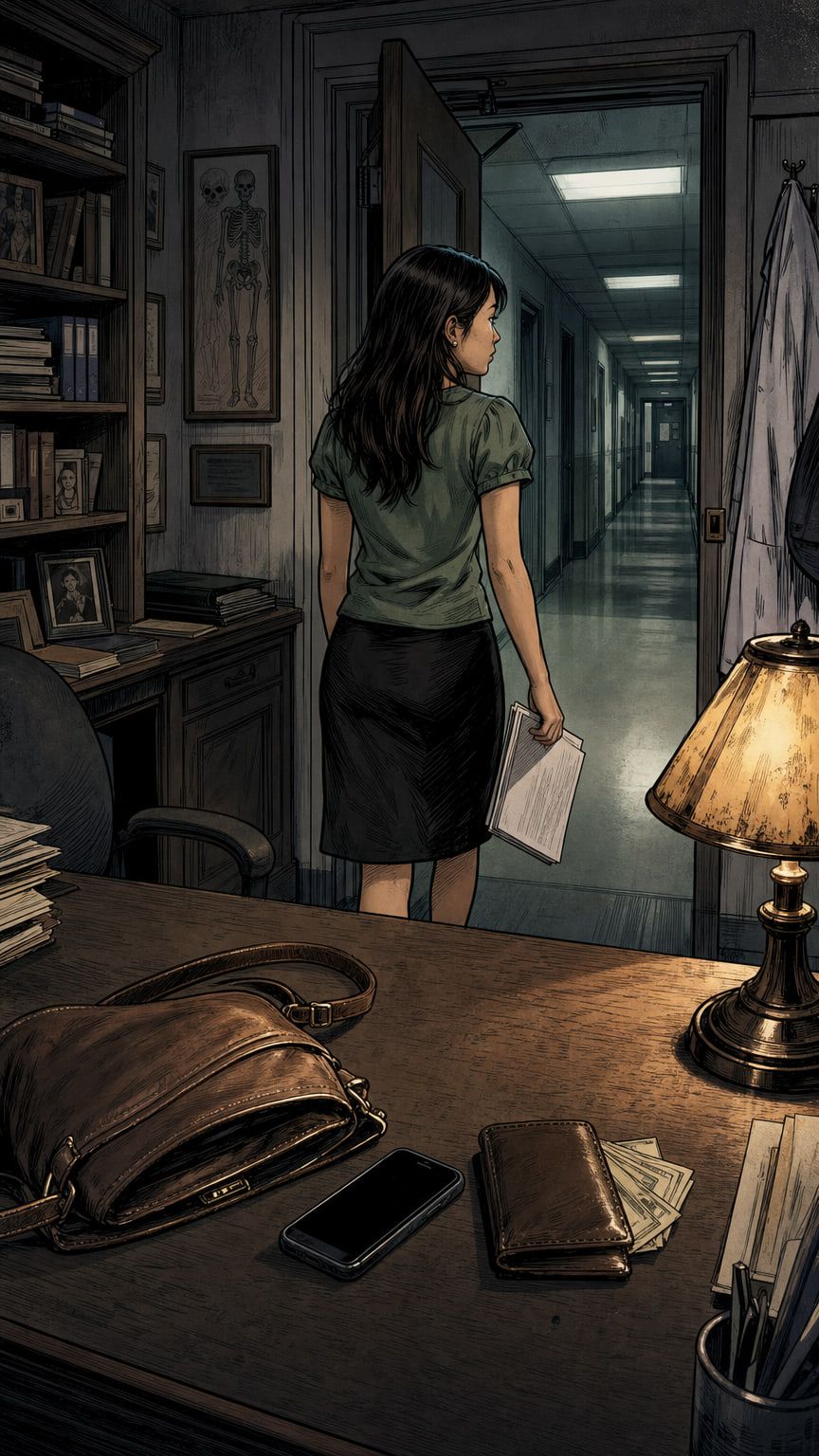
Le leaves her purse, phone, credit cards and cash in her office at the Sterling Hall of Medicine and walks to her lab building at 10 Amistad Street. Cameras record her entering. At 10:11 a.m. she swipes into basement room G13. Clark swipes into the same room at 10:40.
September 8, 2009About 9 p.m.
When she has not come home, one of her housemates calls police to report her missing. None of the roughly 70 cameras around the building and its garage show her leaving.
September 10, 2009
A graduate student shows a Yale police officer a box of wipes with what looks like blood spatter on a cart outside room G13. The officer watches Clark turn the box so the stain is out of sight, then later scrub a floor drain that did not appear to need cleaning.
Sept. 8 to 13, 2009
More than 100 law enforcement officers, including the FBI and Connecticut State Police, search the building and a trash incinerator in Hartford. Yale offers a $10,000 reward.
September 12, 2009
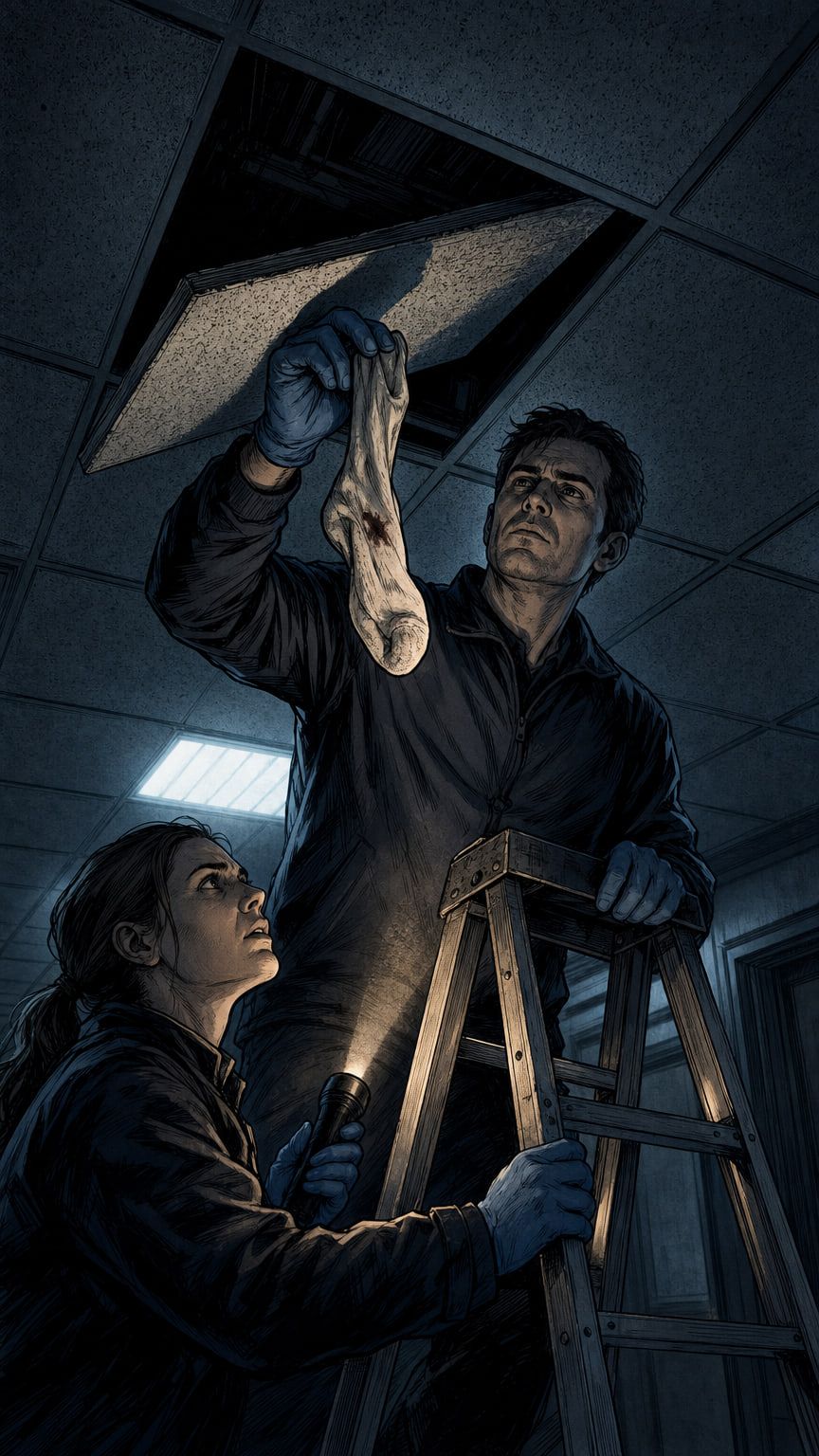
Investigators find a bloody sock hidden above a ceiling tile in a hallway of the building.
September 13, 2009About 5 p.m.
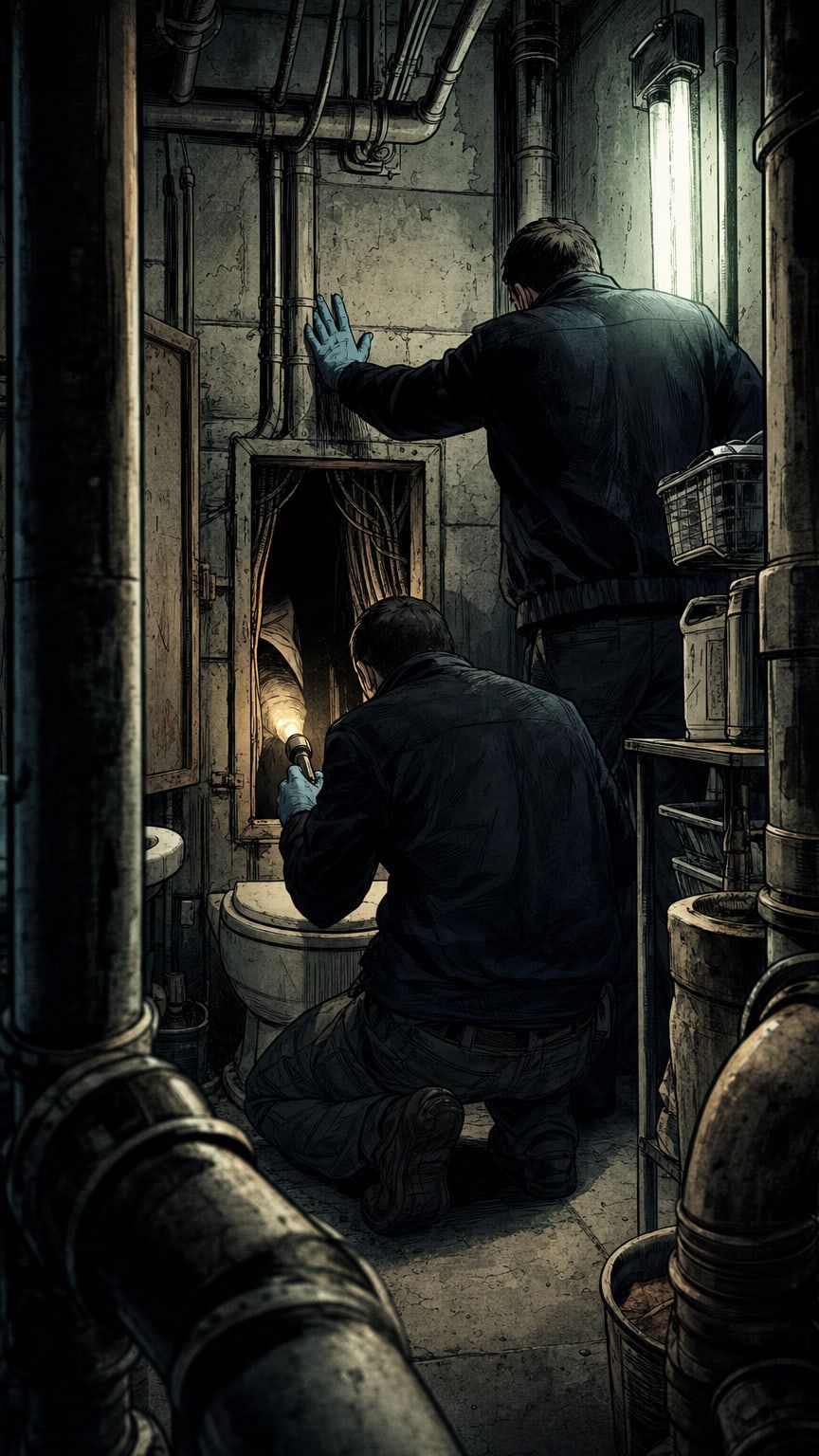
On the day she was to be married, state police dogs lead investigators to a mechanical chase behind a toilet in the basement. Annie Le's body is inside the wall.
September 17, 2009
Police arrest Raymond Clark III and charge him with murder. The day before, he was held briefly to provide a DNA sample. The police chief calls it a workplace crime.
November 13, 2009
The arrest warrant affidavit is released. It says the sock carried a mixture of Clark's and Le's DNA, and a green pen found under her body had her blood on it and his DNA inside the cap. Clark had signed into lab rooms with a green pen that day.
March 17, 2011
Clark pleads guilty to murder and enters an Alford plea to attempted sexual assault, conceding the state had enough evidence to convict. Asked if the prosecutor's account is accurate, he says, "Yes."
June 3, 2011
Clark is sentenced to 44 years in prison. He takes responsibility and expresses remorse.


The full story
What happened
Annie Le was 24, a doctoral student in pharmacology at the Yale School of Medicine, and five days away from her wedding. On the morning of Tuesday, September 8, 2009, she left her purse, phone, credit cards and cash in her office at the Sterling Hall of Medicine and walked a few blocks to 10 Amistad Street, the lab building where she did her research. A security camera recorded her going in just after 10 a.m.
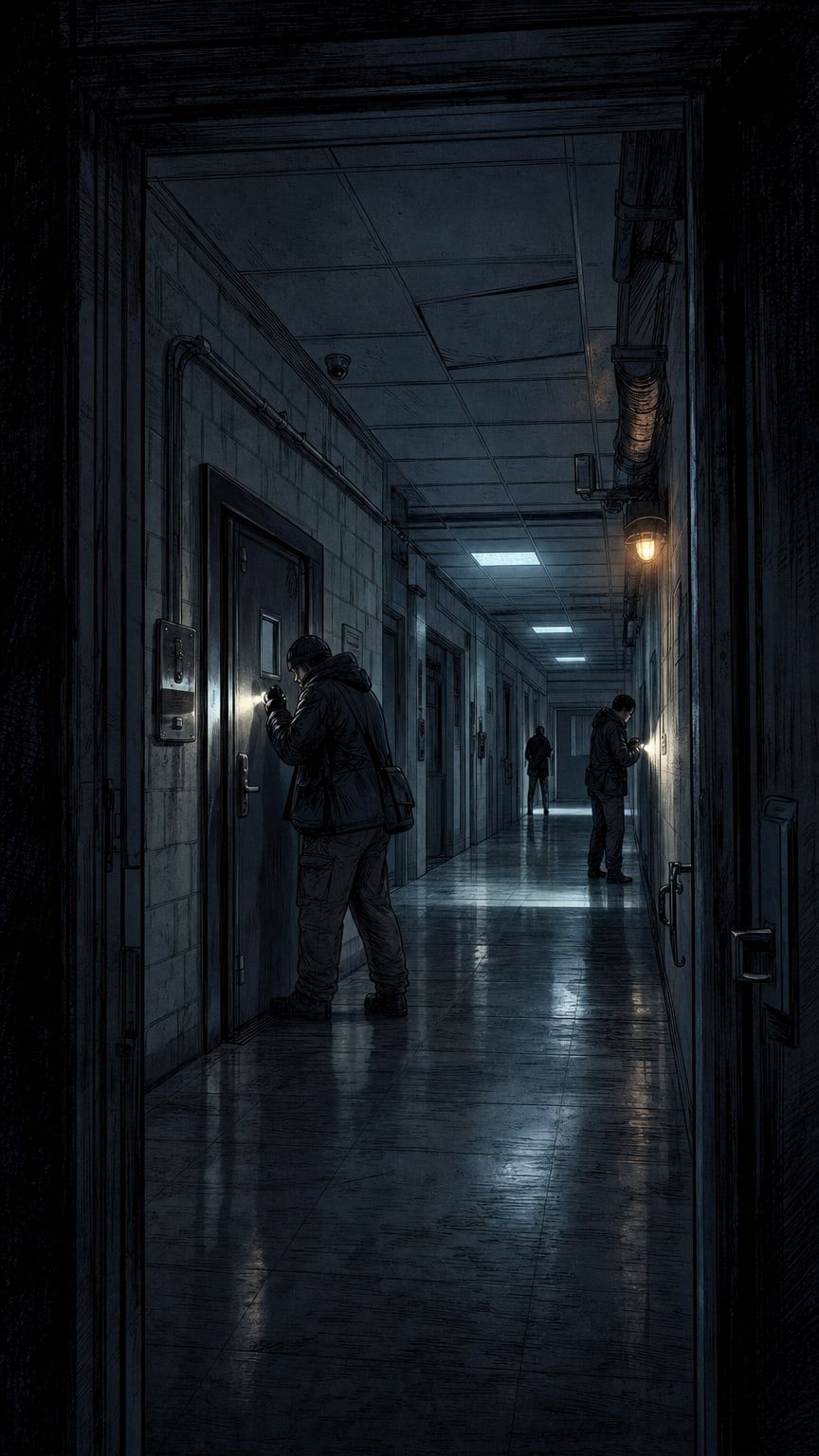
The building had tight security. Getting in took a Yale ID card coded for the facility; the basement needed a second level of access, and parts of it a third. About 70 cameras covered the building and its garage. None of them recorded Annie Le coming out.
That night, one of her housemates reported her missing.
The search
More than 100 officers from the New Haven police, Yale police, the FBI and Connecticut State Police searched the building and went through garbage at a trash incinerator in Hartford. On September 10, a graduate student showed a Yale officer a box of wipes on a lab cart with what looked like blood on it. The officer watched a lab technician named Raymond Clark shift the box so the stain faced away, lean against the cart and make small talk. Later he came back and scrubbed a floor drain that looked clean.
On Saturday, September 12, investigators found bloody clothing, including a sock, hidden above a ceiling tile. The next afternoon, September 13, state police dogs led them to a mechanical chase behind a toilet in the basement. Annie Le was inside the wall. It was the day she was supposed to be married.
The evidence
Clark, 24, cared for research animals in the basement. He was arrested on September 17. The warrant, released in November, laid out the case. Key-card records showed Le swiping into basement room G13 at 10:11 a.m. on September 8 and never swiping out. Clark swiped in at 10:40, and entered G13 and another room, G22, a total of 55 times that day. The sock from the ceiling carried a mixture of his DNA and hers. A green pen found beneath her body had her blood on it and his DNA inside the cap, and Clark had been signing into lab rooms with a green pen that day.
The plea
On March 17, 2011, Clark pleaded guilty to murdering Annie Le. On a charge of attempted sexual assault he entered an Alford plea, not admitting the facts but accepting that the state could prove them. On June 3 he was sentenced to 44 years in prison. He said he took responsibility and was sorry.
Seven months before she died, Le had written an article for a Yale medical school magazine called “Crime and Safety in New Haven.” It was about how to stay safe in the city.
What the video couldn't include
Fifty-five swipes
On September 8, according to the warrant, Clark used his key card to enter rooms G13 and G22 a total of 55 times. In the days before, his trips between those two rooms had become more frequent. Investigators later found a cleaned-up blood spray pattern on a wall in G13 and bloodstains, hair and beads from her necklace in G22.
He said she had left
According to the warrant, Clark approached a Yale police officer, said he knew Le, and told her he had left the building at 12:45 p.m. that day, and that Le had left even earlier. The security footage showed she never left.
The scratches
Clark had scratches on his face and arm. He told investigators his cat had done it.
Who she was
Le grew up in Placerville, California, was valedictorian of her high school class, and won scholarships to the University of Rochester, where she met her fiancé, Jonathan Widawsky. At Yale she studied enzymes involved in metabolic disease. Her thesis adviser called her "a tiny young lady" who "gave the impression she was larger than her physical self."
"We hope you are okay"
While she was missing, graduate students put up a hand-lettered sign outside 10 Amistad Street: "We hope you are okay." More than 2,000 people attended a candlelight vigil on Cross Campus the day after she was found.
What her article said
Her magazine piece noted that New Haven had more robberies than other Ivy League cities and passed on the police chief's advice to pay attention to your surroundings. She concluded that with a little street smarts, one could avoid becoming another statistic.
Parole
Clark is held at Cheshire Correctional Institution with a scheduled release in 2053. Under a 2023 Connecticut law expanding parole for people who committed crimes young, he becomes eligible for parole after serving 60 percent of his sentence.
The video and the record
The episode tells this case in about 2 minutes with illustrated recreations. Here is how its key moments line up with what is documented.
A Yale laboratory protected by locked doors and roughly seventy cameras
Documented
Reported as "70-odd" and about 75 cameras. The building required layered key-card access.
She left her purse, phone, and money in her office before walking to 10 Amistad Street
Documented
Her bag, ID, phone, cards and cash were found in her office.
Investigators looked above a hallway ceiling tile and found a bloody sock
Documented
Found September 12, 2009.
Behind a toilet, they discovered a narrow mechanical space concealed inside the wall
Documented
From the arrest warrant affidavit.
Card-swipe records led investigators to Raymond Clark III
Compressed
Key-card records were central, alongside his behavior during the search and the DNA results.
Work boots marked "Ray-C"
Documented
Described in the warrant as bloodstained work boots labeled "Ray-C." Where they were found is reported inconsistently.
Months before her death, she had written an article for Yale about crime and personal safety
Documented
"Crime and Safety in New Haven," published February 2009.
The locks and cameras felt like the walls of a trap
Dramatized
An interpretive line. Yale's president said the killing was not the result of a security lapse.
The lab, the hallway, the basement wall
Reconstruction
AI-generated illustrations. No real security footage, crime scene or victim photographs are used.
What the four marks mean
- Documented
- Shown as it is recorded in court filings, police statements, or consistent reporting.
- Reconstruction
- A reasonable visual recreation of a documented event. The event happened; the image is illustrative.
- Compressed
- Real events shortened, merged, or reordered to fit the runtime.
- Dramatized
- A storytelling choice (framing, wording, emphasis) that the record does not establish.
Sources
- [1]The Guardian“Body found in search for missing Yale student”
- [2]Yale Alumni Magazine“The death of Annie Le”
- [3]New Haven Independent“Annie Le Warrant: Bloody Boots Read "Ray-C"”Quotes the released arrest warrant affidavit.
- [4]NBC News / Associated Press“Police: Bloody sock links Yale suspect to victim”
- [5]New Haven Register“Raymond Clark III pleads guilty in murder and attempted sexual assault of Yale grad student Annie Le, will serve 44 years”
- [6]Wikipedia“Murder of Annie Le”
SourcedFacts in this file come from the reporting listed above. Some details are still waiting on primary records. Last reviewed September 12, 2026. How we check cases