Henriett Szucs, Mihrican Mustafa and the padlocked freezer
Officers on a welfare check noticed flies around a locked chest freezer. They opened it on a hunch, and an X-ray later showed a second woman underneath.
- When
- 2016 to April 2019
- Where
- Vandome Close, Canning Town, east London
- Status
- Convicted
Content note murder, violence against women, concealed remains described without detail. No graphic images.
In brief
On April 27, 2019, police went to Zahid Younis's flat in Vandome Close, Canning Town, east London, on a welfare check. He was not there. An officer noticed flies around a padlocked chest freezer and forced it open, finding a woman's body. An X-ray of the freezer later revealed a second body beneath the first. The women were Henriett Szucs, a Hungarian woman last seen in 2016, and Mihrican "Jan" Mustafa, a mother of three last heard from in May 2018. Younis, a convicted sex offender, was found guilty of both murders in September 2020 and sentenced to life with a minimum of 38 years. A later BBC investigation found missed chances to stop him.
Turning pointAn officer on a welfare check saw flies around a padlocked freezer and forced it open on what the lead detective later called an old-fashioned police hunch.
- Victims
- Henriett Szucs, from Hungary, and Mihrican "Jan" Mustafa, a mother of three
- Convicted
- Zahid Younis, a convicted sex offender known as Boxer
- Where
- His flat in Vandome Close, Canning Town, east London
- Found
- April 27, 2019, in a padlocked chest freezer
- Hidden for
- About two and a half years for Henriett; about 11 months for Jan
- Sentence
- Life, minimum 38 years, September 3, 2020
Watch the episode
Timeline
Spring 2016
Henriett Szucs, a trafficking victim from Hungary, leaves a safe house and moves into Zahid Younis's flat, according to a later BBC investigation.
Autumn 2016
Szucs is killed. The court hears Younis bought a small chest freezer shortly afterward for the sole purpose of hiding her body.
May 2018
Mihrican "Jan" Mustafa, a mother of three, is last heard from. A missing-person inquiry runs for about a year.
April 27, 2019
Police visit Younis's flat in Vandome Close for a welfare check. He is not there. An officer sees flies around a padlocked freezer in a cupboard, breaks it open with a crowbar and finds a body.
April 27, 2019
The freezer is removed and X-rayed. Investigators find a second body beneath the first. The women are identified as Mustafa and Szucs.
February 2020
Younis is charged with both murders.
September 3, 2020
After a three-week trial at Southwark Crown Court, a jury finds Younis guilty of both murders by majority verdicts. Mrs Justice Cheema-Grubb sentences him to life with a minimum term of 38 years. He refuses to come up from the cells for sentencing.
June 2021
A BBC Newsnight investigation sets out the missed chances to identify Younis as a danger to both women.
The full story
What happened
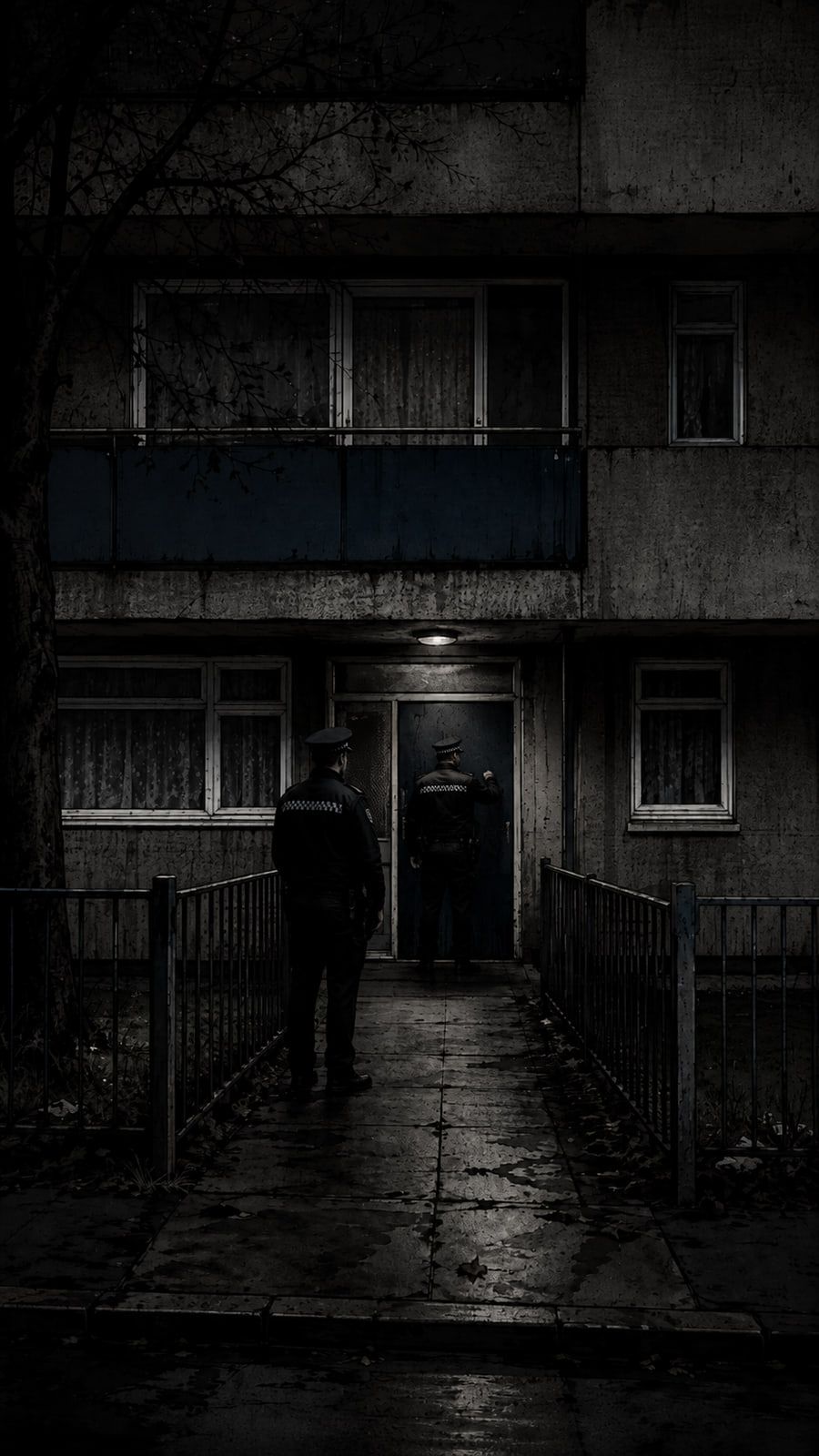
On April 27, 2019, police officers went to a flat in Vandome Close, Canning Town, in east London, to check on the man who lived there, Zahid Younis. He was not home.
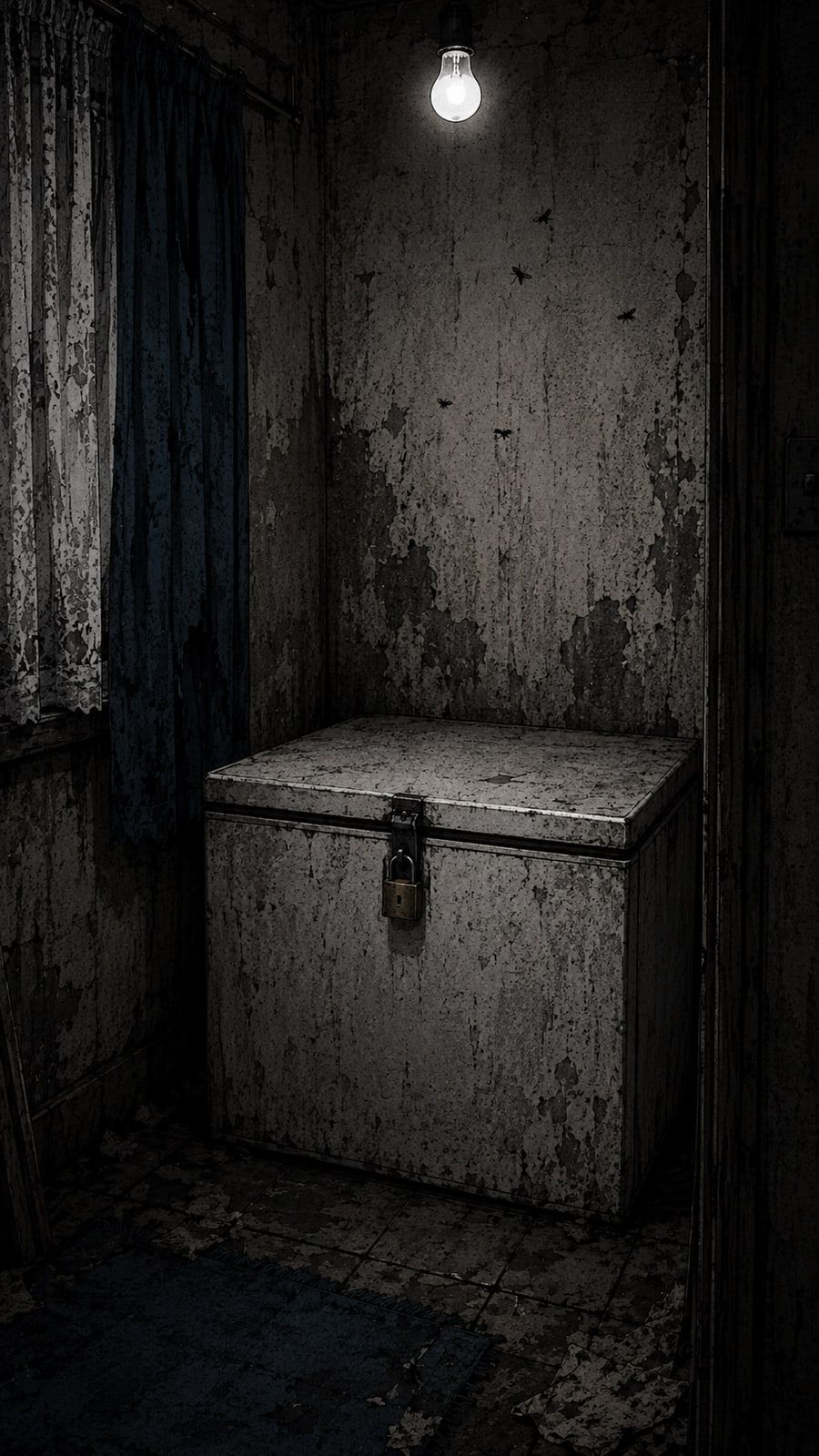
Before they left, one officer noticed flies gathering around a small chest freezer in a cupboard. The lid was padlocked. There was no obvious reason to open it, but the flies bothered him. He forced the lid with a crowbar. Inside was a woman’s body.
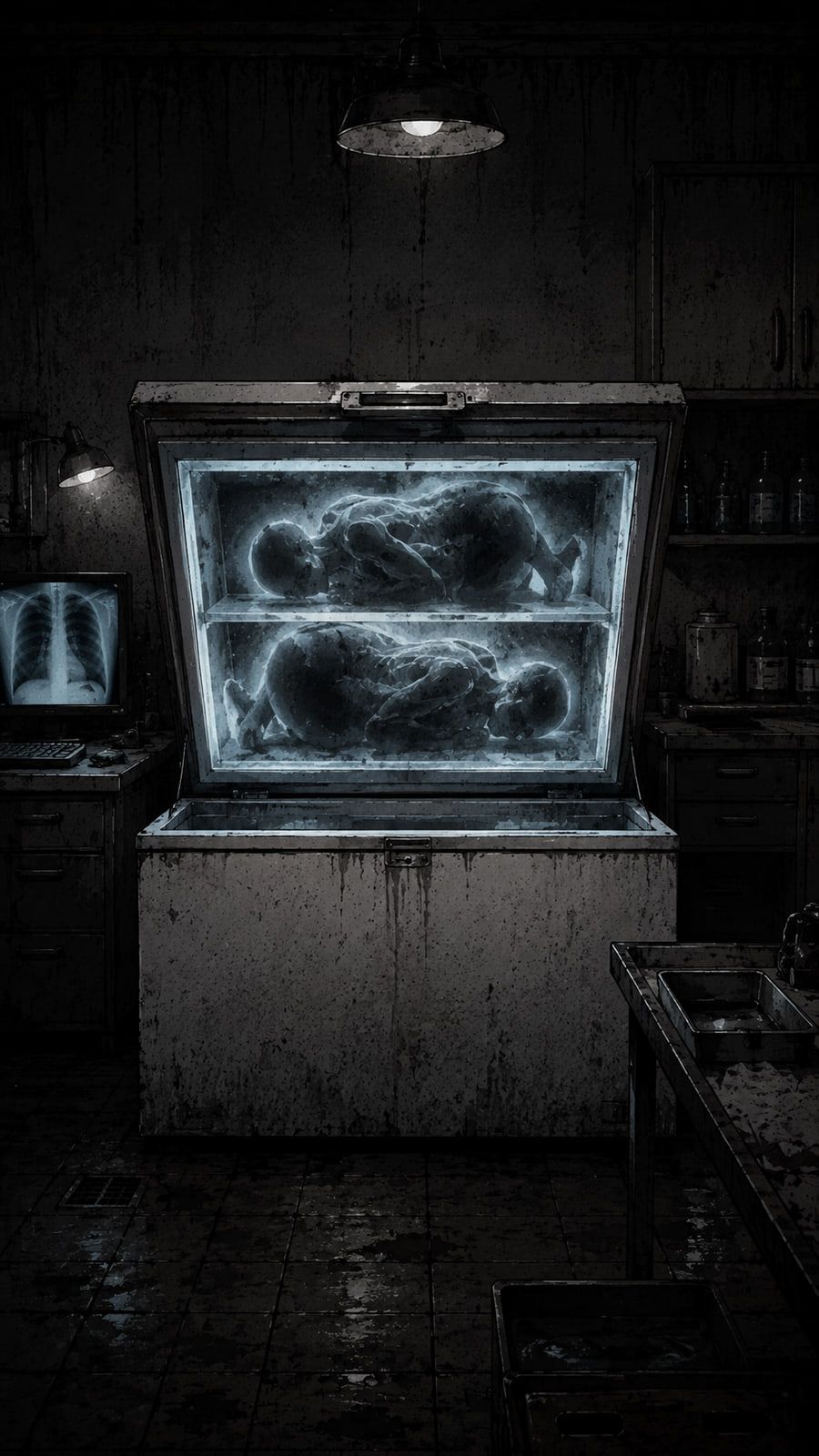
The freezer was taken away for examination. When investigators X-rayed it, they saw a second shape beneath the first. There were two women inside.
The women
The body on top was Mihrican Mustafa, in her late 30s, known to her family as Jan. She was a mother of three and had last been heard from in May 2018. Beneath her was Henriett Szucs, from Hungary, who had last been seen alive in 2016. Reports give her age as 32 or 34.
Both women had lived hard lives, with spells of homelessness and addiction, and both had been badly beaten before they died. Each had numerous broken ribs. Szucs had severe head injuries; Mustafa had a fractured sternum and larynx. Because the electricity to the flat had been cut off at times and the freezer had not run continuously, examiners could not establish how either woman died.
The trial
Younis, a convicted sex offender known as Boxer, was 36. He admitted hiding the women’s bodies but denied killing them, and said another man had murdered them and blackmailed him into helping. At Southwark Crown Court in 2020, prosecutors said he had bought the freezer shortly after killing Szucs, for the sole purpose of hiding her body. She had been in it for about two and a half years. Mustafa had been there for about 11 months.
On September 3, 2020, after a three-week trial, the jury convicted Younis of both murders by majority verdicts. He would not come up from the cells to hear his sentence. Mrs Justice Cheema-Grubb gave him life with a minimum term of 38 years, called him an arch deceiver, and said he might never be released.
Szucs’s mother, in Hungary, told the court her daughter had lain in a freezer for two and a half years with no one looking for her or realising she was missing.
The missed chances
In 2021 a BBC Newsnight investigation traced how both women had been failed. Szucs was a trafficking victim whom police had lost track of, and she met Younis in hospital at a time when police had already assessed him as a medium risk. The year-long missing-person inquiry into Mustafa never looked at phone evidence showing she had been in contact with Younis around the time she vanished. Warnings about his violence went back to 2002.
What the video couldn't include
Nobody was looking for Henriett
Szucs's mother told the court her daughter lay in a freezer for two and a half years with no one looking for her or realising she was missing.
The electricity was cut off
The power to the flat was disconnected at times, so the freezer did not run continuously. Because of the condition of the remains, the cause of death could not be established for either woman.
The injuries they could see
Both women had numerous broken ribs. Szucs had severe head injuries, and Mustafa had a fractured sternum and larynx, injuries the prosecution said were consistent with kicking and stamping.
His defence
Younis admitted preventing the lawful and decent burial of both women but denied murder. He claimed another man had killed them and blackmailed him. The jury did not believe him.
The missed chances
The BBC found that Szucs, a trafficking victim, had been lost track of by police and met Younis in hospital when he was already assessed as a risk. The inquiry into Mustafa's disappearance never examined phone evidence showing she was in contact with Younis around the time she vanished, and warnings about his violence went back to 2002.
What the judge called him
Mrs Justice Cheema-Grubb called Younis an arch deceiver who had spent a lifetime destroying lives, and said he might never be released.
The video and the record
The episode tells this case in about 3 minutes with illustrated recreations. Here is how its key moments line up with what is documented.
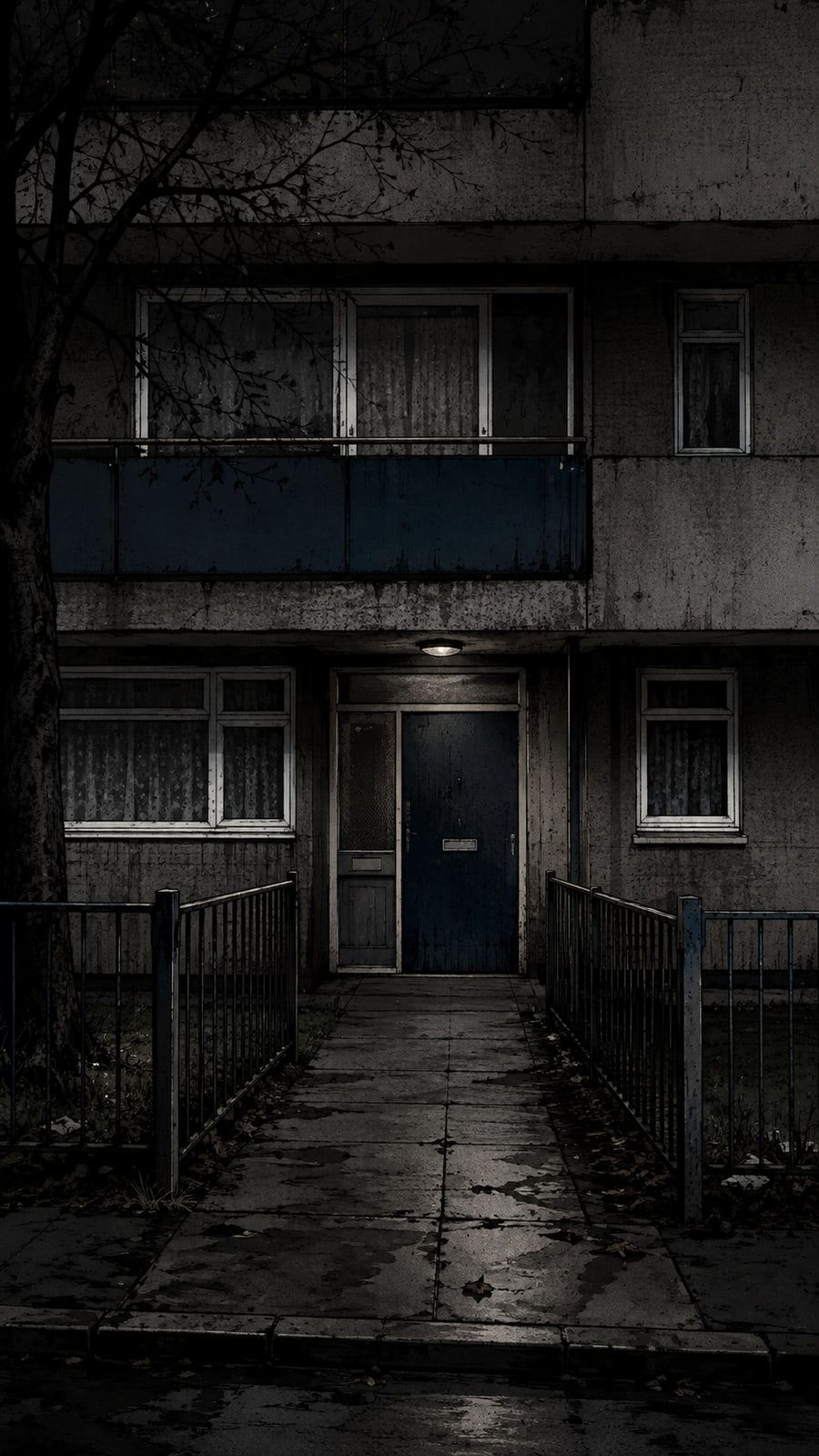
A routine welfare check at a small ground-floor flat
Compressed
The welfare check is documented. Which floor the flat was on is not stated in our sources.
Flies around a padlocked freezer, opened with a crowbar
Documented
Reported from the trial.
The freezer was X-rayed, revealing a second body underneath
Documented
Investigators found the second woman only after the freezer was removed and X-rayed.
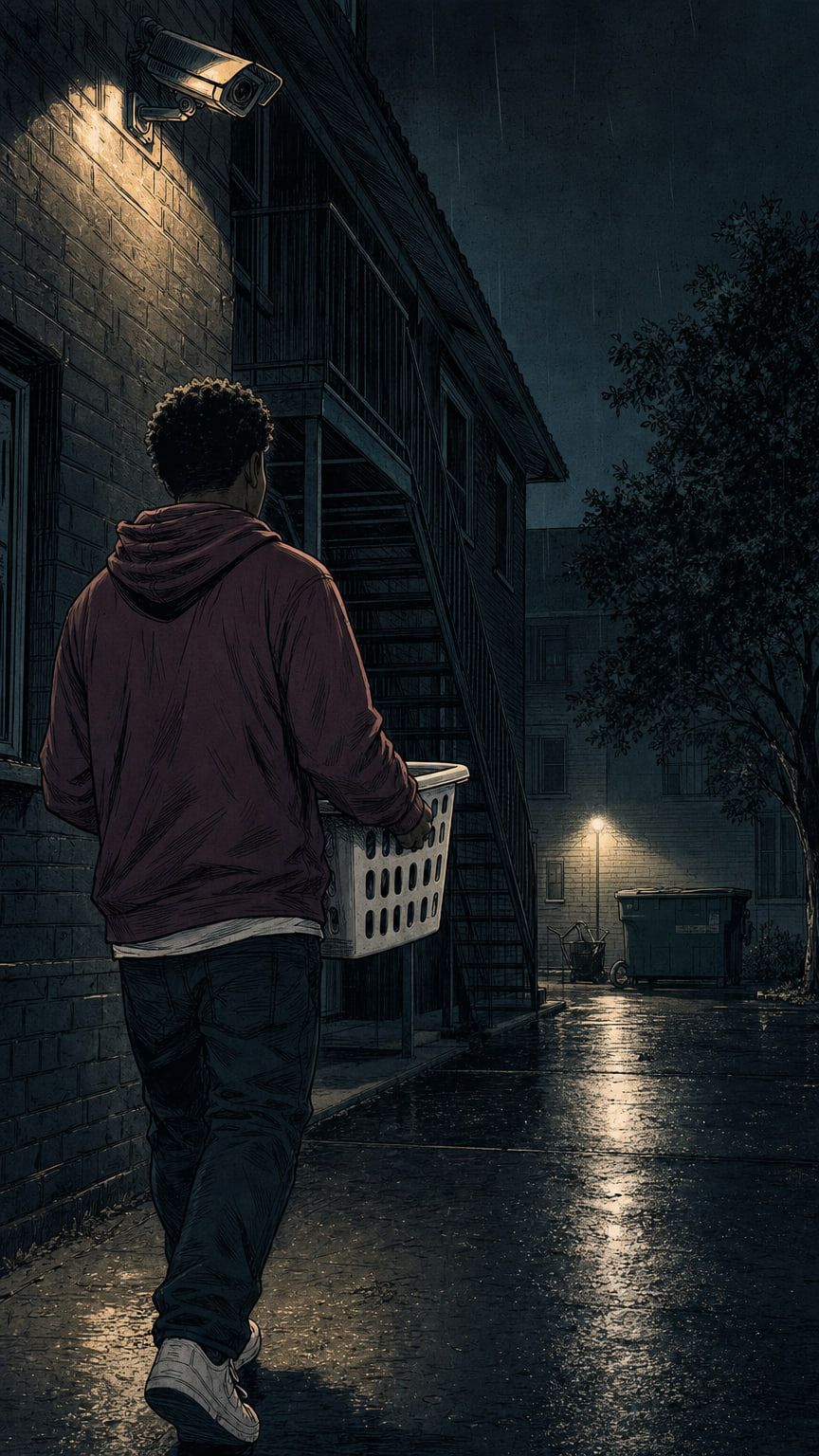
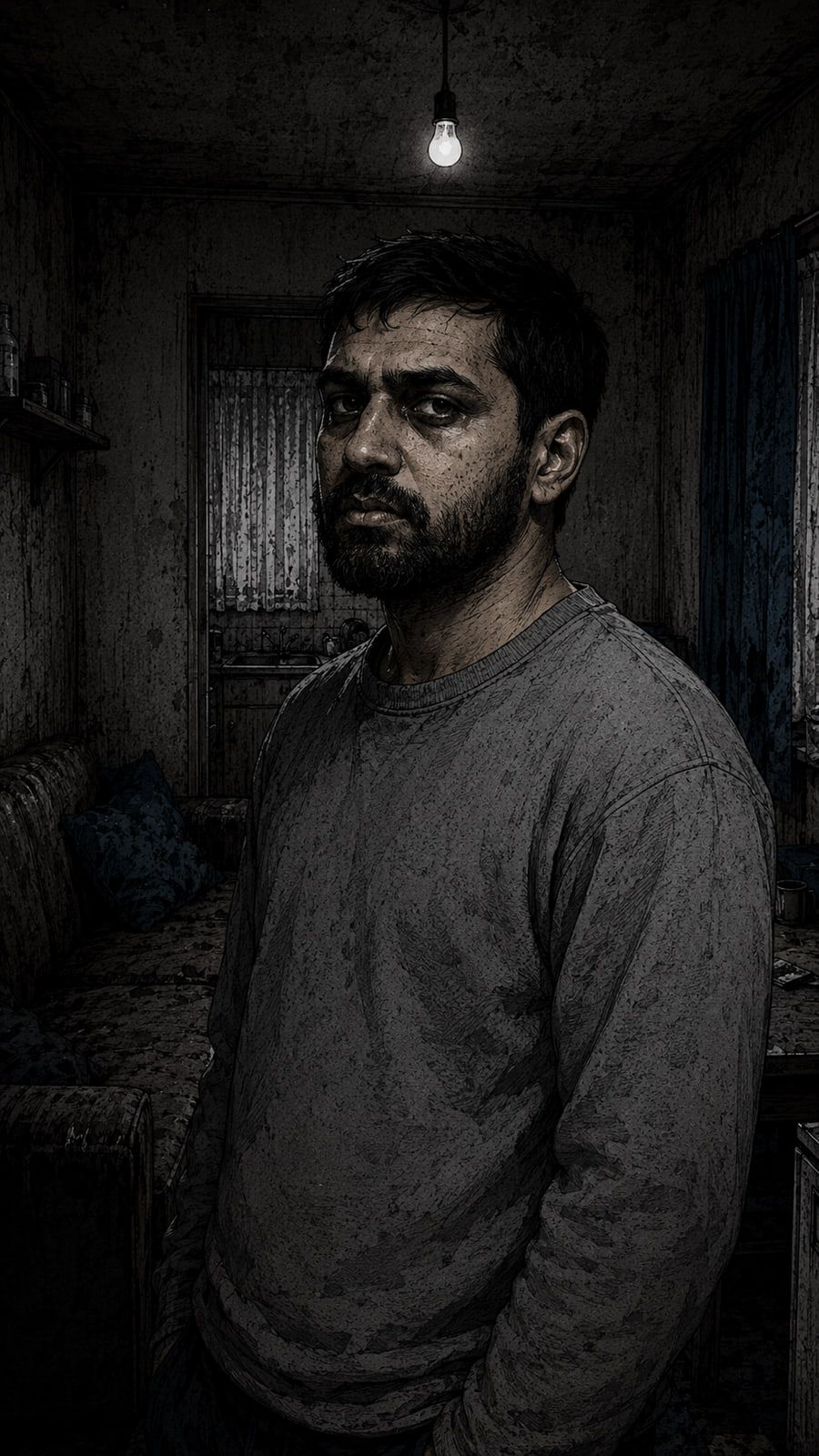
Younis kept living only feet away, cooking, sleeping, answering the door
Dramatized
A storytelling image. The court heard he hid the bodies in his flat; his daily routine is not described.
Police had visited that flat before and questioned Younis there
Dramatized
Not established in the sources cited here. The BBC investigation documents missed chances, but not a prior visit to the flat that overlooked the freezer.
Life with a minimum term of 38 years
Documented
Sentenced at Southwark Crown Court on September 3, 2020.
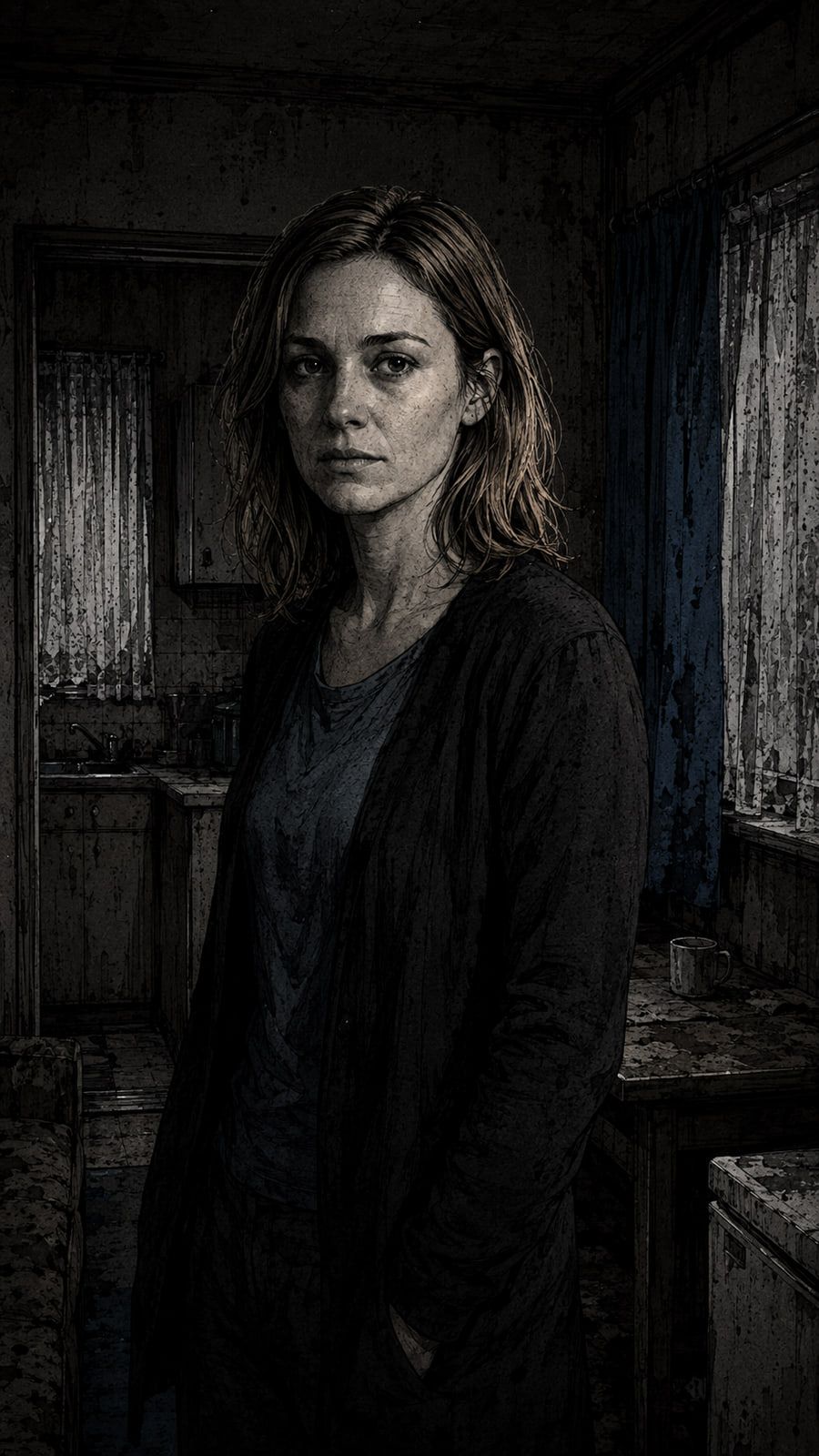
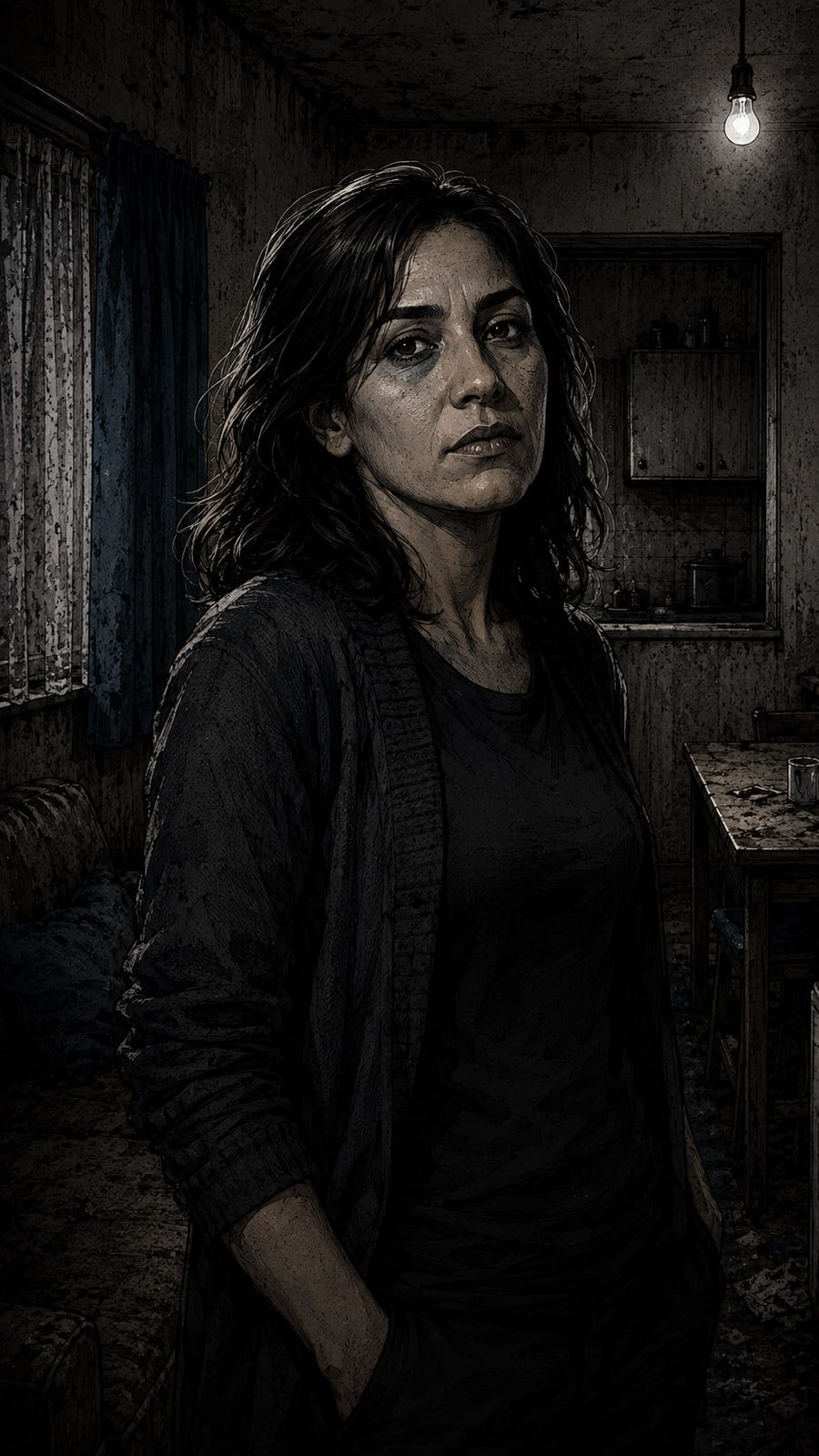
The flat, the freezer, the officers
Reconstruction
AI-generated illustrations. No real photographs are used.
What the four marks mean
- Documented
- Shown as it is recorded in court filings, police statements, or consistent reporting.
- Reconstruction
- A reasonable visual recreation of a documented event. The event happened; the image is illustrative.
- Compressed
- Real events shortened, merged, or reordered to fit the runtime.
- Dramatized
- A storytelling choice (framing, wording, emphasis) that the record does not establish.
Sources
- [1]BBC News“Man who killed women and hid them in freezer guilty”
- [2]The Guardian“Man jailed for murder of two women found in freezer in London flat”
- [3]The Independent“Man convicted of murdering two women and hiding their bodies in freezer”
- [4]ITV News London“Convicted sex offender given life for murder of two women whose bodies were found in freezer”
- [5]BBC News“Canning Town freezer bodies: Murder charges over Henriett Szucs and Mihrican Mustafa deaths”
- [6]BBC News (Newsnight)“Henriett and Mihrican: The missed chances to identify a killer”
SourcedFacts in this file come from the reporting listed above. Some details are still waiting on primary records. Last reviewed September 12, 2026. How we check cases