Kara Robinson and the eighteen hours she spent collecting evidence
He shut her in a storage container and made her scream, to prove nobody could hear. She spent the next eighteen hours learning his doctor's name, his dentist's name and the serial number on the box.
- When
- June 24 to 25, 2002
- Where
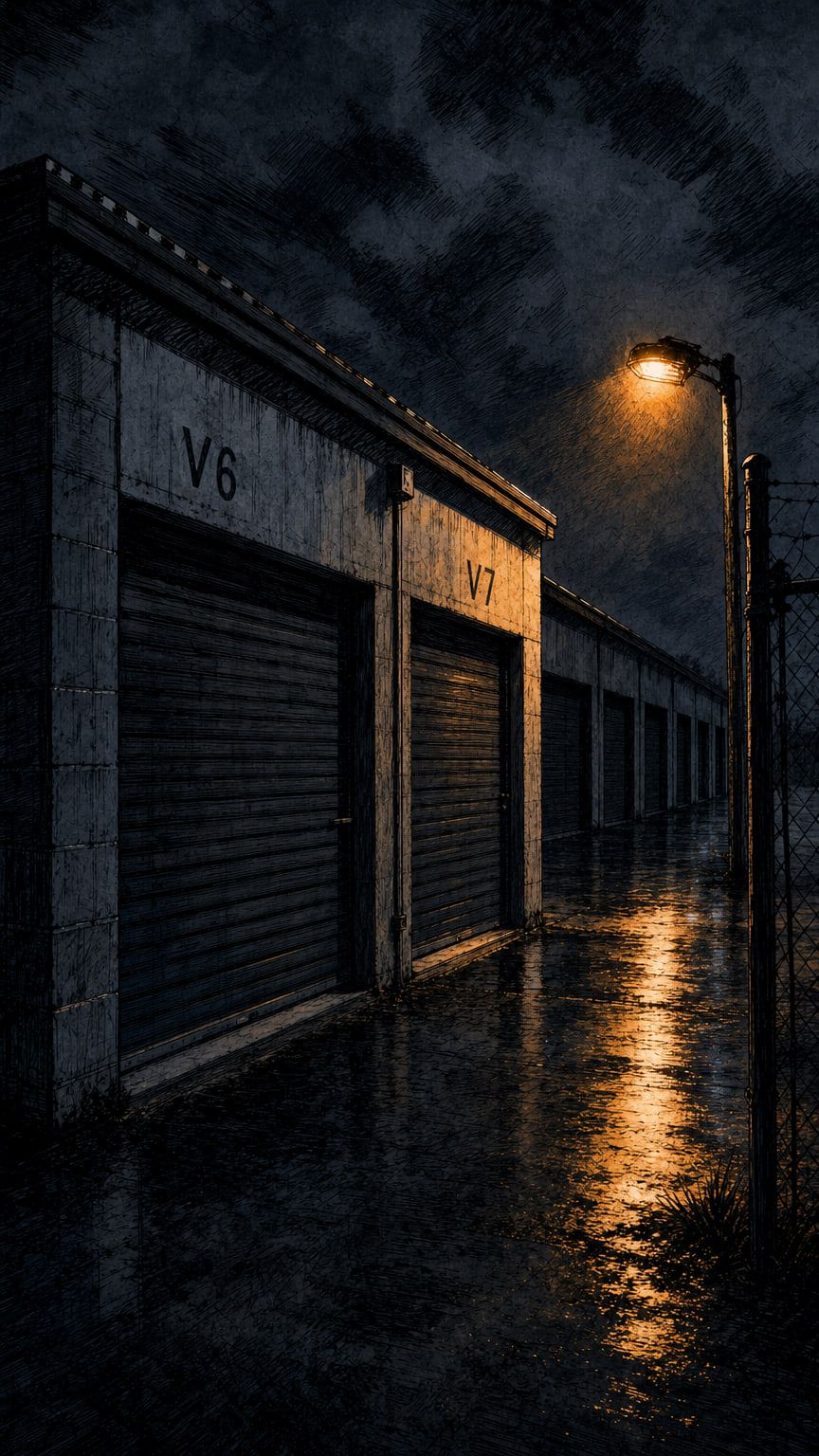
- Lexington County and Columbia, South Carolina
- Status
- Suspect died before trial
Content note kidnapping, captivity, sexual violence, child victims, suicide. No graphic images.
In brief
On the morning of June 24, 2002, fifteen-year-old Kara Robinson was watering plants in a friend's front yard in Lexington County, South Carolina, when a man pulled into the driveway with a binder and a story about selling magazines. He pressed a gun to her neck and told her to get into a plastic storage container in his back seat. He drove her to his apartment near Columbia and held her for roughly eighteen hours. She decided early that she would not let him decide how her life ended, and set herself three instructions: stay calm, gather information, escape. She memorized the serial number on the container, the names on his refrigerator magnets, the animals in cages, the red hair in a brush that told her a woman lived there, and that he had served in the Navy. Just after dawn on June 25 she used her teeth to unscrew the clip holding her handcuffs to the bed frame, moved the container that was blocking the front door, and ran barefoot across the parking lot. At the sheriff's office she recited what she had learned and identified Richard Marc Evonitz. Fibers from the cuffs on her wrists were later matched to fibers found on the bodies of Sofia Silva and sisters Kristin and Kati Lisk, three Virginia girls taken from their own front yards in 1996 and 1997. Evonitz died by suicide in Sarasota, Florida, two days after Kara escaped.
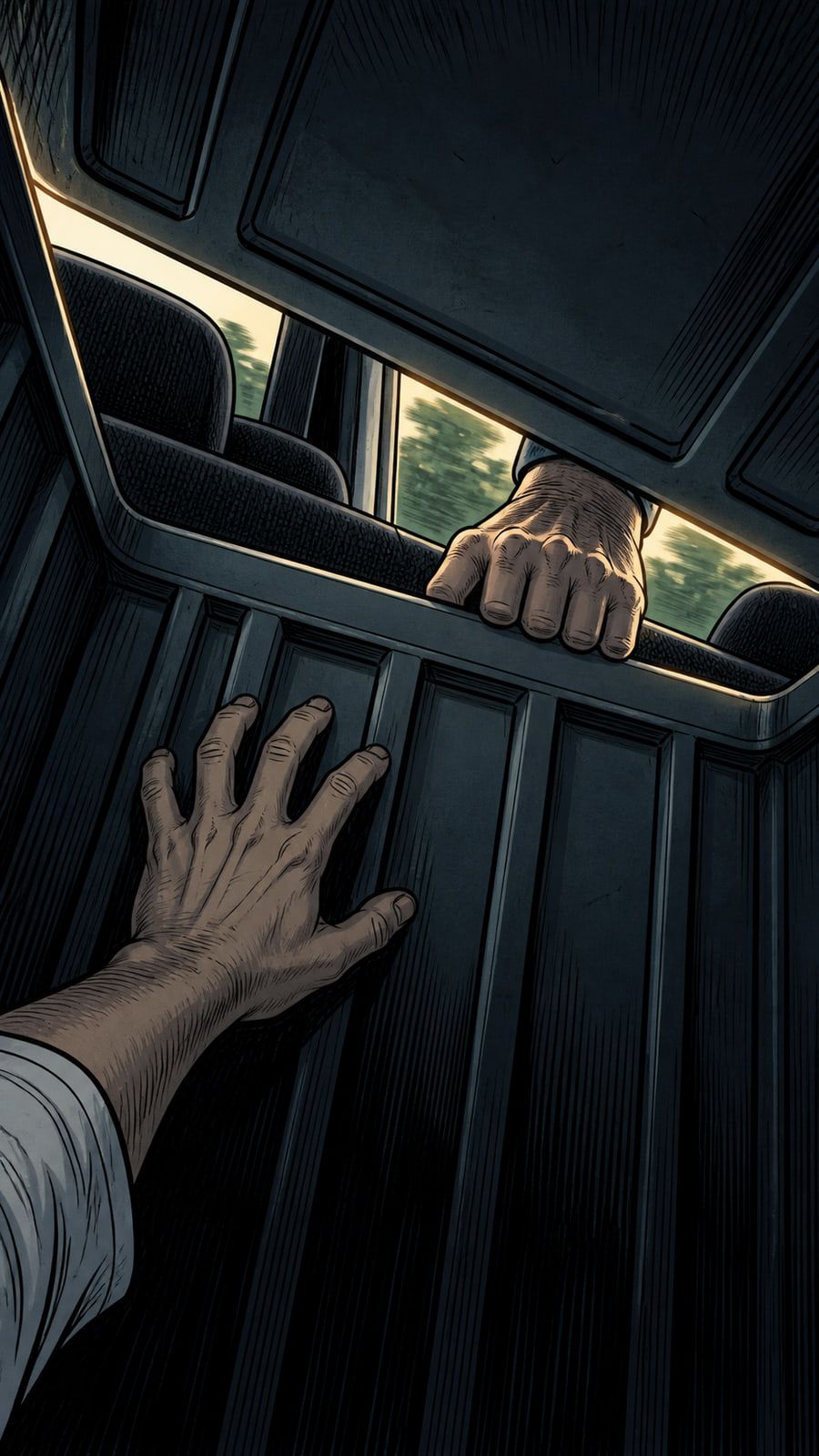
Turning pointAt one stop he opened the lid, gagged her, and told her to scream as loudly as she could. He listened, nodded, and closed it again. She understood what the test meant: nobody was coming, so whatever happened next she would have to do herself.
- Survivor
- Kara Robinson, fifteen years old at the time
- Offender
- Richard Marc Evonitz, 38, a former Navy sonar technician
- Taken from
- A friend's front yard in Lexington County, South Carolina, in daylight
- Held
- Roughly eighteen hours, in his apartment near Columbia
- Escaped
- Just after dawn on June 25, 2002, by unscrewing a restraint clip with her teeth
- What it solved
- Fibers from her restraints linked Evonitz to three murders in Virginia
- Outcome
- Evonitz died by suicide two days later; he was never tried
Watch the episode
Timeline
September 9, 1996
Sofia Silva, 16, is taken from the front steps of her home in Spotsylvania County, Virginia, while doing homework. Her body is found a month later.
May 1, 1997
Sisters Kristin Lisk, 15, and Kati Lisk, 12, are taken from their front lawn in Spotsylvania County. They are found five days later. The cases go unsolved for years.
June 24, 2002Morning
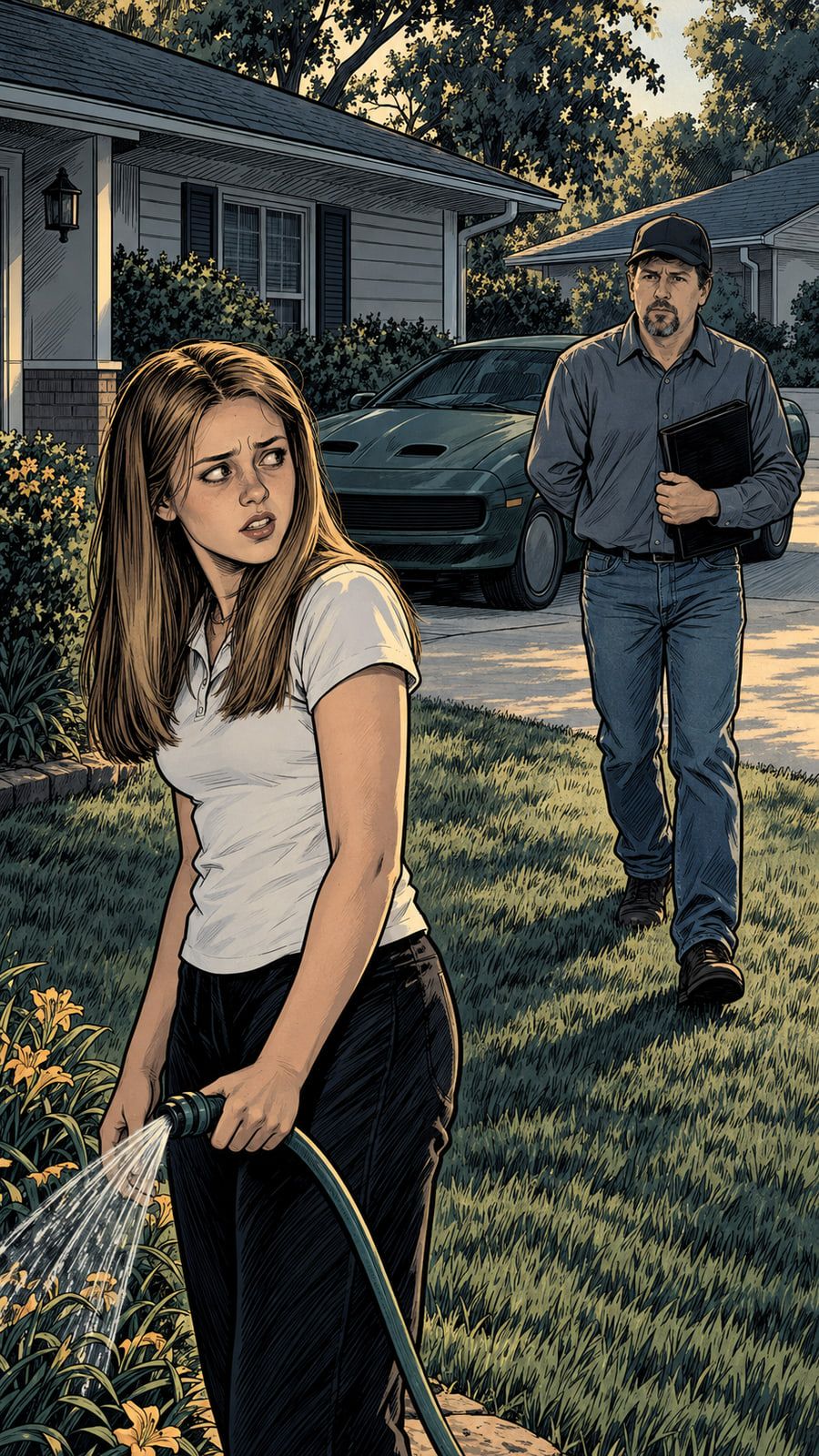
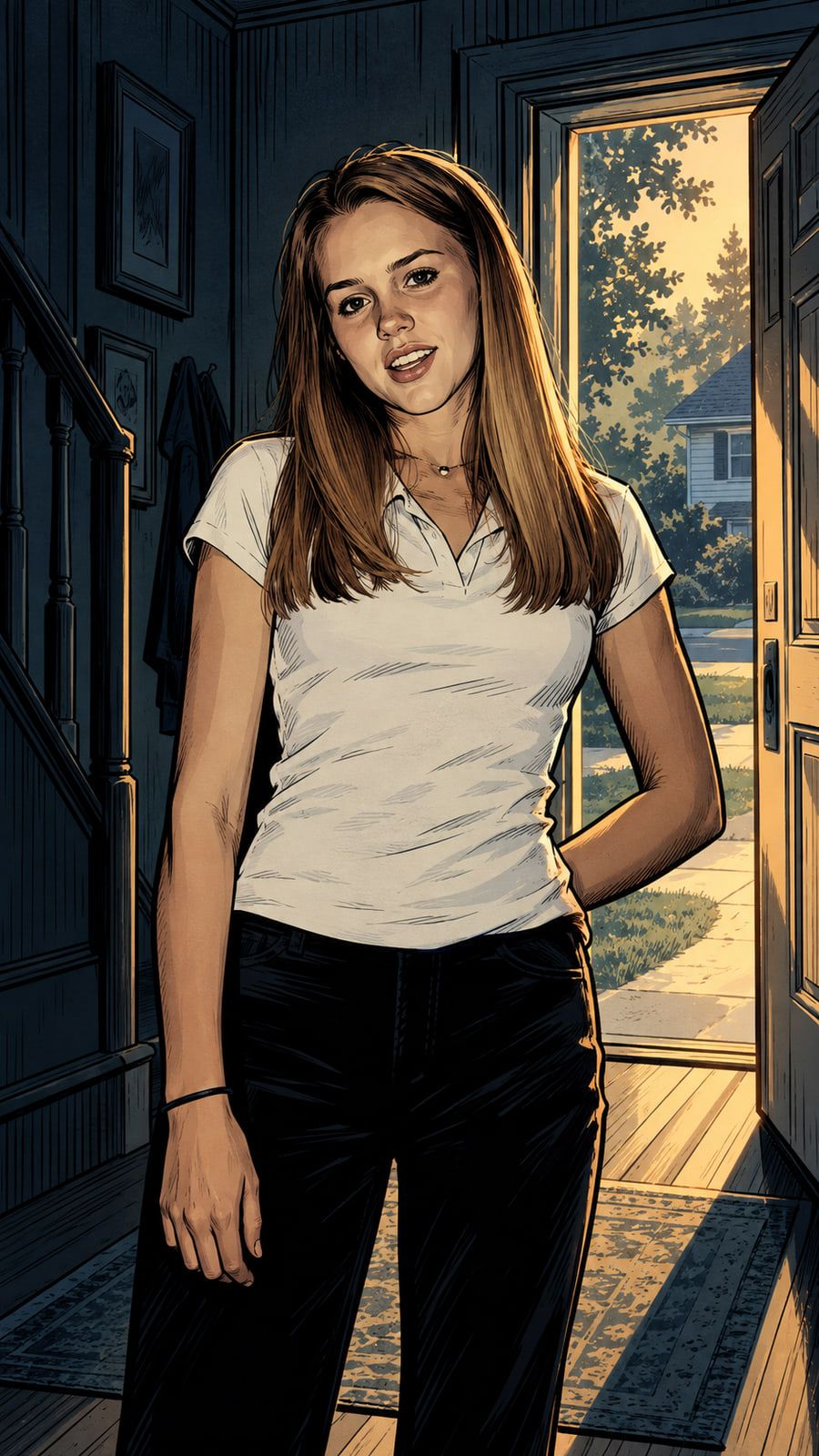
Kara Robinson, 15, is watering plants in her best friend's front yard in Lexington County, South Carolina. A car turns around, pulls into the driveway, and a middle-aged man gets out holding a binder and offering magazine subscriptions.
June 24, 2002Minutes later
He steps close, presses a gun to the side of her neck and says, "Why don't you come with me?" There is a large plastic storage container in the back seat. He tells her to get in, and closes the lid.
June 24, 2002On the road
Inside the container she memorizes the songs on the radio and the serial number stamped on the plastic, and repeats three instructions to herself: stay calm, gather information, escape. At one stop he opens the lid, gags her and orders her to scream, listens, and closes it again.
June 24, 2002Afternoon and evening
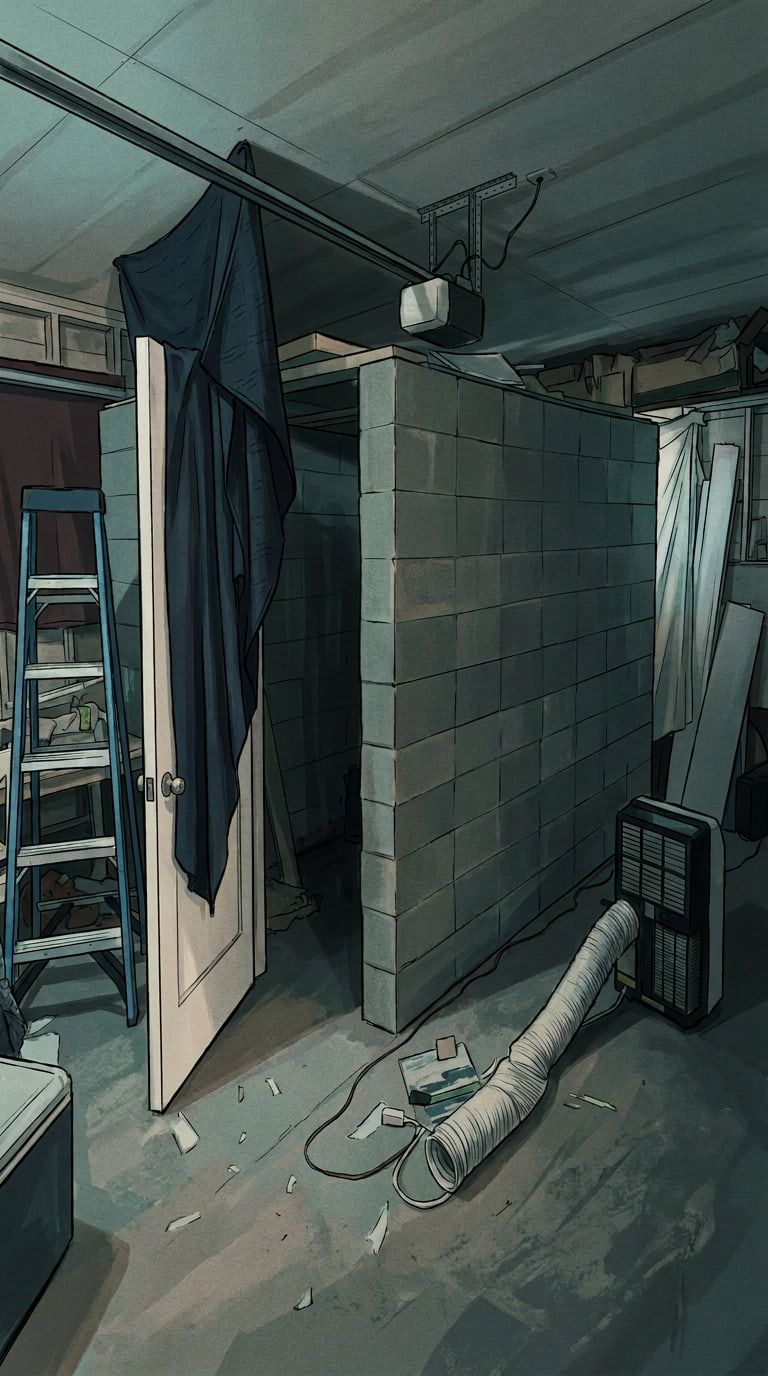
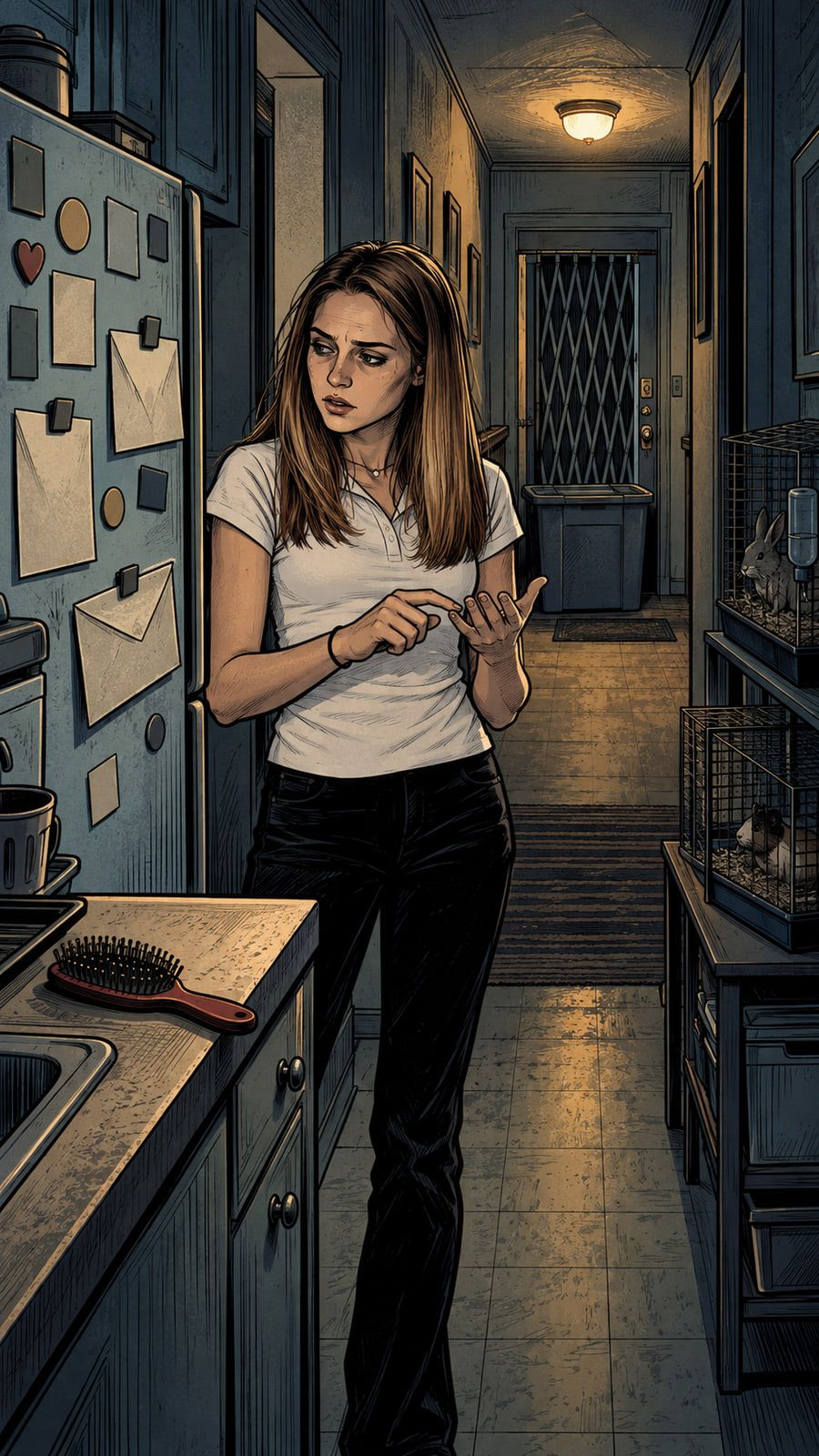
He carries the container into his ground-floor apartment. Over roughly eighteen hours she is drugged and sexually assaulted. She behaves as though she is compliant and catalogues the apartment: his mail, the names of his doctor and dentist on refrigerator magnets, caged animals, long red hair in a hairbrush, and, from conversation, that he served in the Navy.
June 25, 2002Before dawn
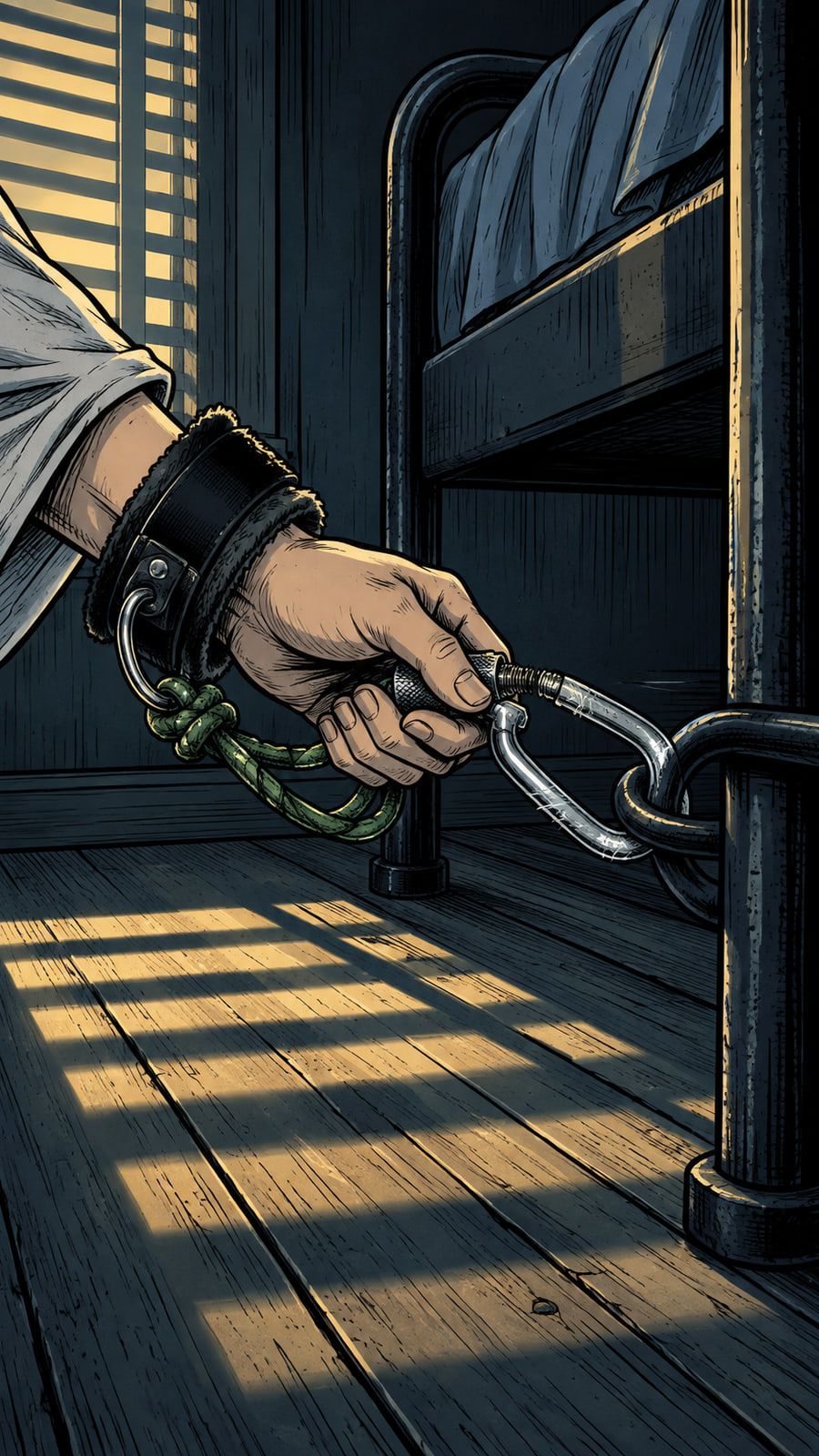
He fastens fur-lined handcuffs to the bed frame with rope and a screw-gate clip, and ropes her ankle to the foot of the bed. She cannot slip the cuffs, so she lifts the clasp to her mouth and turns the screw with her teeth until the clip opens.
June 25, 2002Just after dawn
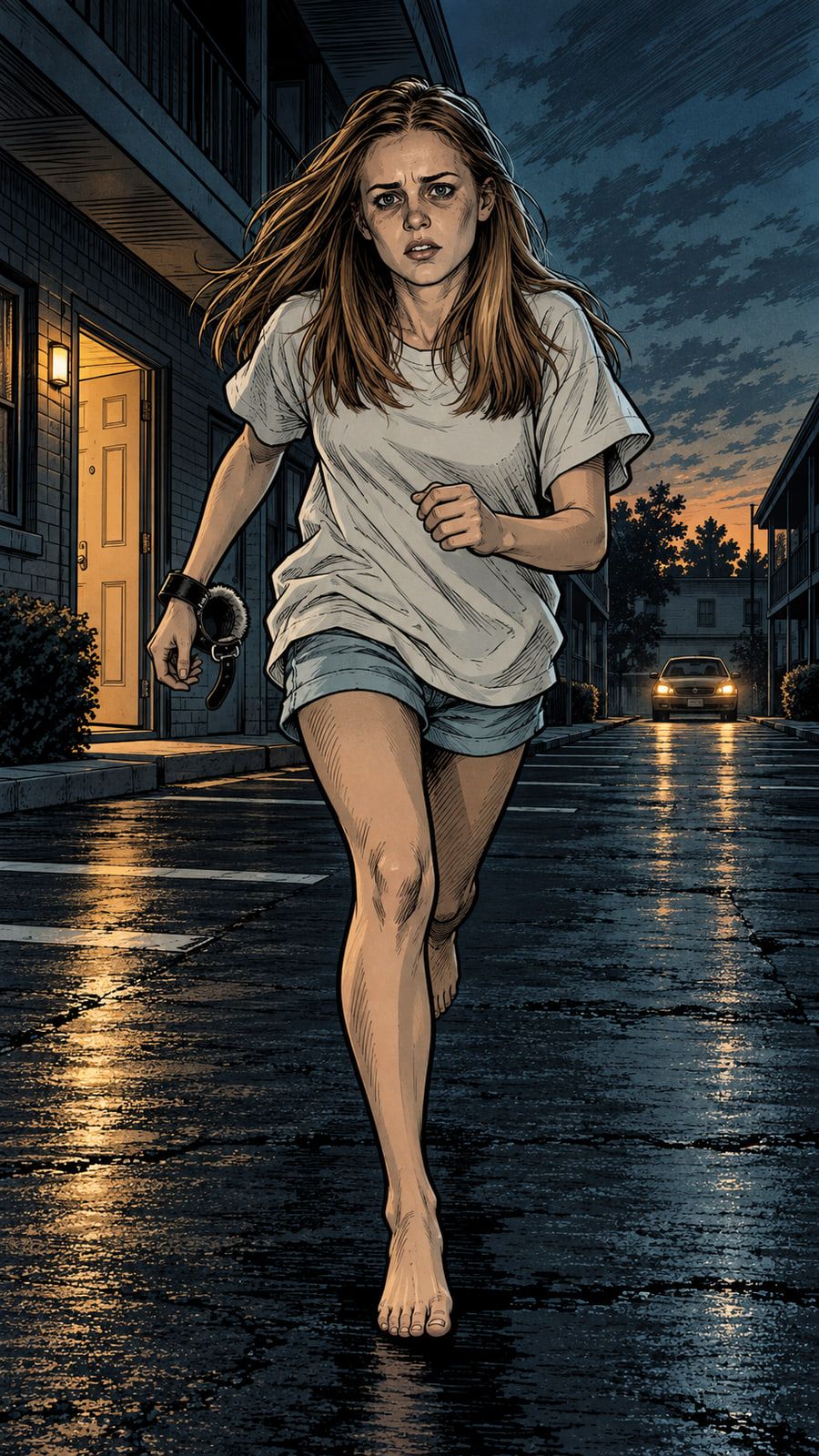
She frees her ankle, dresses in the living room, and finds the front door dead-bolted with the storage container pushed against it. She moves the container, works the locks, and runs barefoot across the parking lot. Two men in a car drive her to the Richland County sheriff's office.
June 25, 2002Same day
She recites what she memorized and identifies Richard Evonitz. When deputies reach the apartment he has already gone. Inside they find restraints, a knotted cord, scissors and, in later reporting, a large collection of images of girls.
June 27, 2002
Evonitz telephones his sister, tells her he has committed more crimes than he can remember, and asks her to meet him in Florida. She calls the police instead. Cornered in Sarasota after a chase, he takes his own life.
July 2002
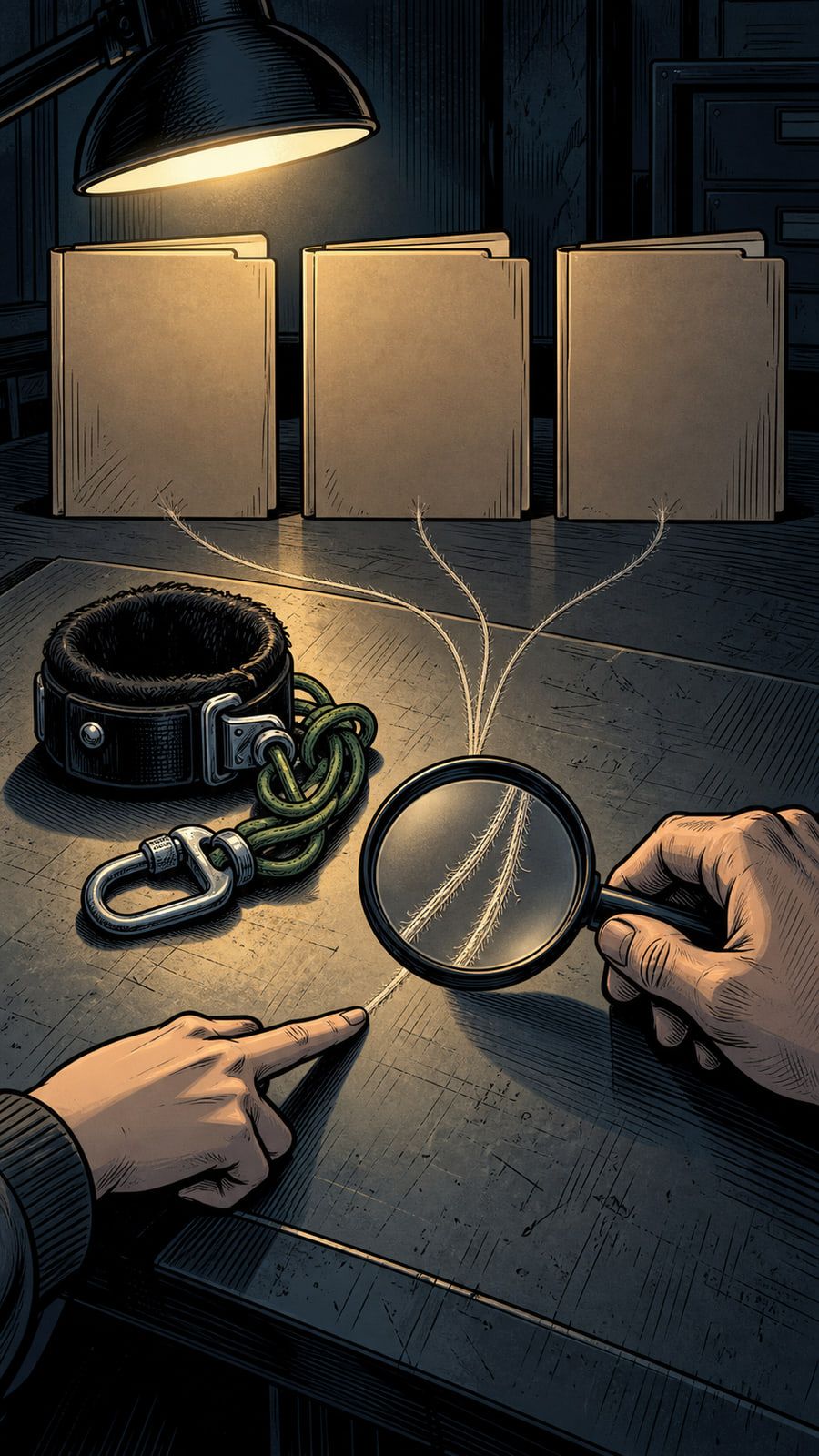
Fibers from the fur-lined handcuffs Kara was wearing are matched to fibers recovered from the bodies of Sofia Silva and the Lisk sisters, and Kristin Lisk's handprint is identified inside Evonitz's car trunk.
March 2019
Investigators in Virginia formally close the murders of Sofia Silva and Kristin and Kati Lisk, naming Evonitz as responsible on the strength of the physical evidence.
2021 to 2026
Kara Robinson Chamberlain, by then a former sheriff's deputy who worked sex-crime and child-abuse investigations, executive produces a documentary about her own case, is the subject of a feature film, and becomes a survivor advocate and television host.
The full story
The front yard
It was the last week of June 2002, and Kara Robinson had stayed the night at her best friend’s house in Lexington County, South Carolina. The plan for the day was a lake house. While her friend showered, Kara went out to water the plants in the front yard.
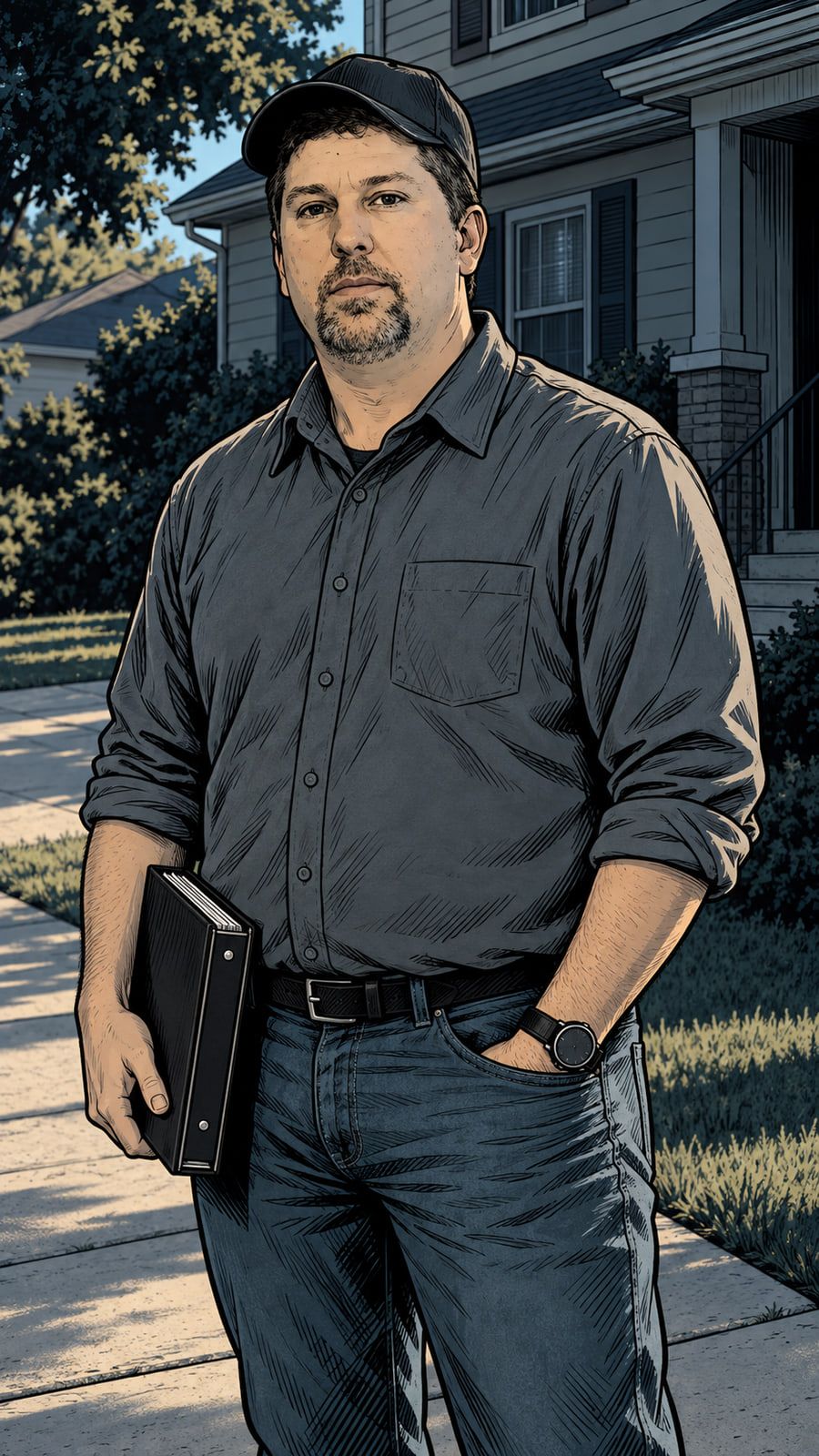
A car went past, turned around, and came up the driveway. The man who got out was middle-aged, tidy, wearing a baseball cap, holding a binder. He said he was distributing magazines. She told him it was her friend’s house. He asked whether the parents were home.
Then he stepped close, and something cold pressed against the side of her neck.
There was a large plastic storage container in the back seat. He told her to get into it and closed the lid.
Stay calm, gather information, escape
Inside the container, on the road, she did two things. She listened, so she would know the songs that were playing and feel the moment the car merged onto the interstate. And she read the serial number stamped in the plastic beside her face and committed it to memory.
At one stop he opened the lid, handcuffed her, put a gag in her mouth and told her to scream as loudly as she could. He listened. He nodded. He closed the lid and drove on. He had proved to himself that nobody could hear her.
She understood what that meant. Nobody was coming.
He carried the container into his ground-floor apartment near Columbia. Over roughly the next eighteen hours she was drugged and assaulted. She has written that it was during those hours that she decided she would never simply be the girl this had happened to, and that she was not going to let him decide how it ended.
So she behaved as though she were compliant, and she inventoried his life. She read his mail. She memorized the names of his doctor and his dentist from magnets on the refrigerator. She noted the caged animals, the pictures on the walls, the cigarettes, the radio station. She saw long red hair in a hairbrush and women’s toiletries and understood that a woman lived here. In conversation she learned he had been in the Navy. She offered to help clean the apartment.
Dawn
That night he fastened fur-lined handcuffs around her wrists, ran a rope from them to the bed frame through a screw-gate clip, and roped her right ankle to the foot of the bed.
She woke to light at the window and the sound of him breathing beside her. The cuffs were too tight to slip. So she lifted the clip to her mouth and turned the screw with her teeth. One turn, then another, until it opened.
She freed her ankle, pulled on her shorts in the living room, and reached the front door. It was dead-bolted, and the storage container had been pushed up against it. She moved the container, worked the locks, and ran out barefoot across the parking lot, expecting the whole way to be shot in the back, and thinking that it did not matter, because at least now someone would be able to find him.
Two men in a car drove her to the Richland County sheriff’s office.
What she carried out
She gave deputies enough to identify Richard Marc Evonitz, a 38-year-old former Navy sonar technician. By the time they reached the apartment he was gone.
Two days later he called his sister, told her he had committed more crimes than he could remember, and asked her to meet him in Florida. She called the police. He was cornered in Sarasota and took his own life. He was never tried, and Kara has said plainly that she wanted a courtroom instead.
The evidence she had carried out on her own wrists did the rest. Fibers from the fur-lined handcuffs were matched to fibers recovered from the bodies of Sofia Silva, 16, and sisters Kristin and Kati Lisk, 15 and 12, all taken from their own front yards in Spotsylvania County, Virginia, in 1996 and 1997. Kristin Lisk’s handprint was identified inside the trunk of his car. In March 2019 investigators formally closed all three murders.
Kara Robinson Chamberlain went on to intern with the sheriff’s office, work in its DNA lab, and serve as a deputy on sex-crime and child-abuse investigations. She executive produced the documentary about her own abduction, and now works as a survivor advocate and television host. She has called herself the mistake he made.
What the video couldn't include
Why she did not run
In her own account she never considered running or screaming when the gun touched her neck. She wrote that she decided during those eighteen hours that she would never simply be the girl this had happened to, and that she was not willing to let him decide her fate.
The red hair in the brush
Among the details she catalogued was long red hair in a hairbrush and women's toiletries, which told her a woman lived in the apartment. Evonitz was married; his wife was away that week.
The pattern nobody had seen
Sofia Silva and the Lisk sisters had all been taken from their own front yards. So was Kara. The sheriff who took her statement later said that the moment the Virginia cases surfaced they realised they were not dealing with a kidnapping but with a serial killer.
What she wanted instead
Her first reaction to his death was anger. She wrote that she had wanted him to see her across a courtroom and know that the girl he took as a victim of opportunity had been his biggest mistake.
The three girls are the reason the case closed
Kara survived and her evidence was intact, which is why three Virginia families eventually got an answer. Sofia Silva was 16. Kristin Lisk was 15 and her sister Kati was 12.
The video and the record
The episode tells this case in about 2 minutes with illustrated recreations. Here is how its key moments line up with what is documented.
A car turns around and pulls into the driveway
Documented
Her own published account describes the car turning around before it came up the drive.
"Get in the container"
Documented
Quoted directly from her first-person account.
The scream test
Documented
She has described this stop, the gag and the order to scream in her own account and on camera.
Eighteen hours of assault
Compressed
Stated once and never depicted. The episode does not show or describe the sexual violence.
The list of things she memorized
Compressed
Shown as one sweep of the apartment. She gathered these details across many hours.
Turning the clip with her teeth
Documented
Her own account of the escape, repeated in her 2026 interviews.
Fibers, the trunk, the three girls
Documented
Physical evidence described in reporting on the closure of the Virginia cases.
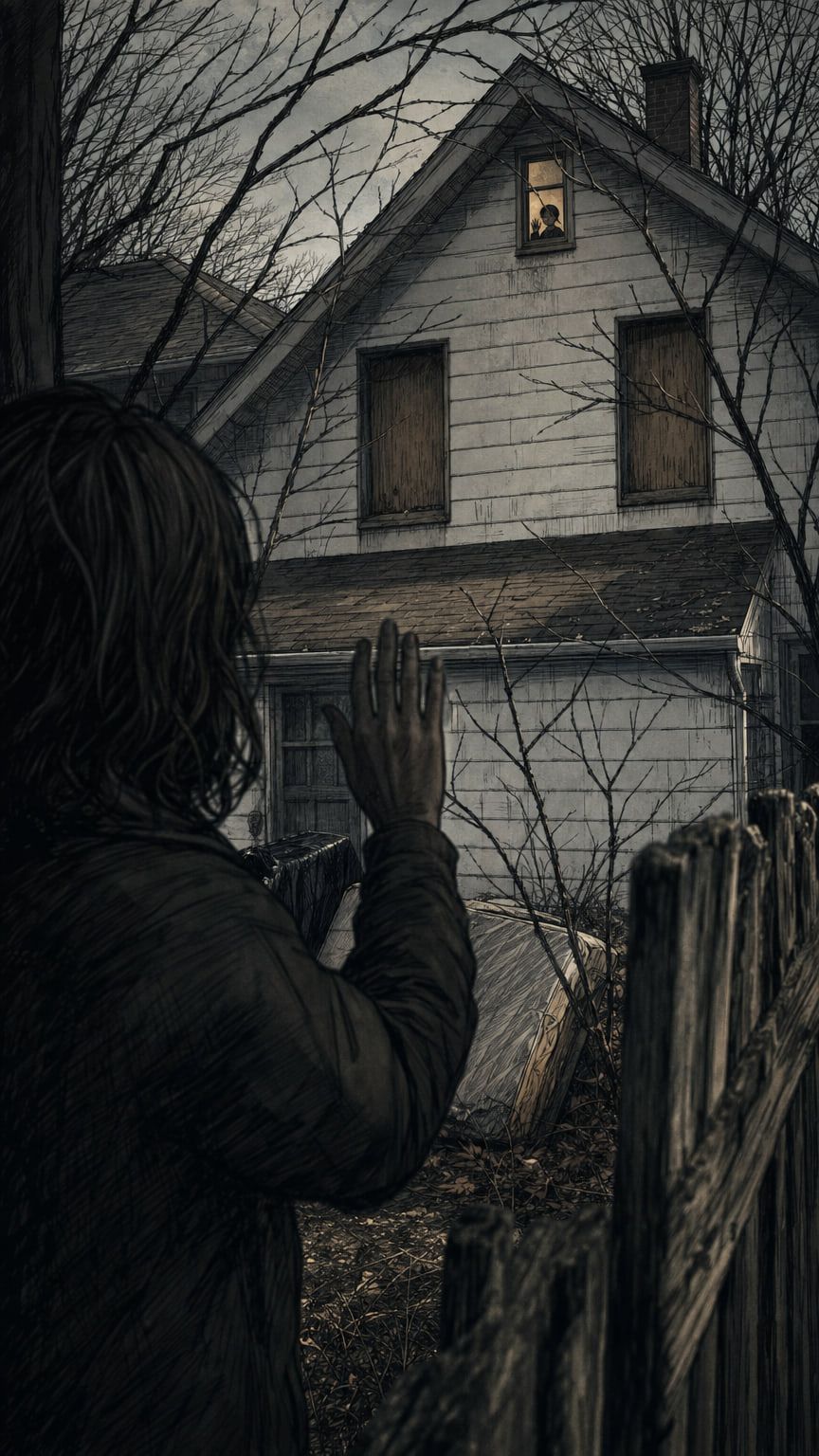
The front yard, the container, the apartment, the parking lot
Reconstruction
All visuals are AI-generated illustrations. No photographs of Kara Robinson as a child, of the three Virginia victims, or of any crime scene are used.
What the four marks mean
- Documented
- Shown as it is recorded in court filings, police statements, or consistent reporting.
- Reconstruction
- A reasonable visual recreation of a documented event. The event happened; the image is illustrative.
- Compressed
- Real events shortened, merged, or reordered to fit the runtime.
- Dramatized
- A storytelling choice (framing, wording, emphasis) that the record does not establish.
Sources
- [1]Newsweek“'I Was Kidnapped by a Serial Killer'”Kara Robinson Chamberlain's own account, and the primary source for the abduction, the captivity and the escape.
- [2]Wikipedia“Richard Evonitz”Aggregates Washington Post reporting, the Free Lance-Star series and the Virginia case files.
- [3]OxygenEscaping Captivity: The Kara Robinson StoryDocumentary special that Kara Robinson Chamberlain executive produced and narrates.
- [4]The Washington Post“As Police Closed In, Evonitz Admitted Crimes to Sister”
- [5]The Washington Post“3 Slain Girls' Cases Closed”
- [6]People“At 15, Kara Robinson Chamberlain Was Kidnapped by a Serial Killer. She Not Only Escaped, She Helped Catch Him”
VerifiedKey facts in this file were checked against multiple consistent reports and first-person or official accounts. Last reviewed September 22, 2026. How we check cases