Lizzie Borden and the ninety minutes on Second Street
Two people killed with a hatchet inside a small, occupied house, about ninety minutes apart. No bloody clothes, no proven weapon, and an acquittal that still stands.
- When
- August 4, 1892
- Where
- 92 Second Street, Fall River, Massachusetts
- Status
- Unsolved
Content note murder, violence, graphic injury description. No graphic images.
In brief
On the morning of August 4, 1892, Abby Borden was killed with a hatchet while making the bed in the upstairs guest room of 92 Second Street in Fall River, Massachusetts. Her body lay undiscovered for roughly ninety minutes. Around 11 a.m., her husband, Andrew Borden, was killed on the sitting-room sofa below, probably while he slept. The only other people known to be home were Andrew's daughter Lizzie, 32, and the family's maid, Bridget Sullivan. Lizzie's accounts of where she had been changed, a drugstore clerk said she had tried to buy prussic acid the day before, and days later a friend saw her burn a dress she said was stained with paint. But no bloody clothing was found and the weapon was never established. Her inquest testimony and the poison evidence were kept from the jury, and in June 1893 she was acquitted. No one else was ever charged.
Turning pointWhen Abby was found, her blood had darkened and congealed while Andrew's was still warm. She had been dead upstairs while the house carried on around her.
- Victims
- Andrew Jackson Borden, 69, and his second wife, Abby Durfee Gray Borden, 64
- Gap between the killings
- About ninety minutes: Abby between 9:00 and 9:30 a.m. upstairs, Andrew around 11:00 a.m. downstairs
- Weapon
- A hatchet-like blade; about 19 blows to Abby, 10 or 11 to Andrew. No weapon was ever proven.
- Accused
- Lizzie Borden, Andrew's younger daughter, arrested August 11, 1892
- Verdict
- Not guilty, June 20, 1893, in New Bedford
- Since
- No one else was ever charged
Watch the episode
Timeline
July 1892
After a family argument over Andrew's gifts of property to Abby's relatives, Lizzie and her older sister, Emma, both leave on summer visits. Emma is still away in Fairhaven on August 4.
August 3, 1892
Drugstore clerk Eli Bence later says Lizzie tried to buy ten cents' worth of prussic acid. Lizzie says she was asking about cleaning a sealskin cape. The household has been sick for days, and Abby fears poison.
August 4, 1892About 7:00 a.m.
Andrew, Abby, Bridget Sullivan and Lizzie's visiting uncle, John Morse, eat breakfast. Lizzie does not come down. Morse leaves around 8:48 a.m. and Andrew sets off on business rounds shortly after 9.
August 4, 18929:00–9:30 a.m.
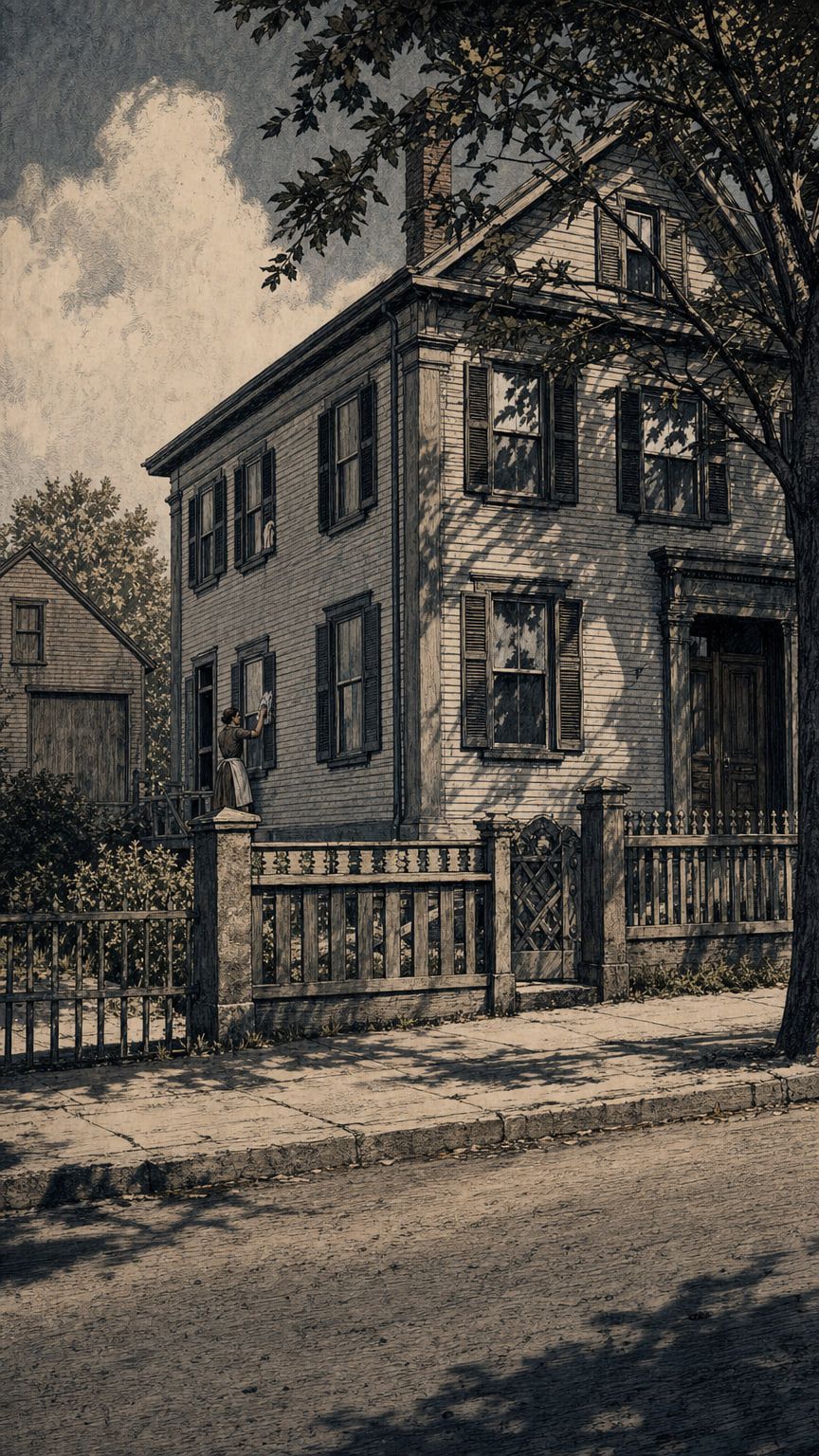
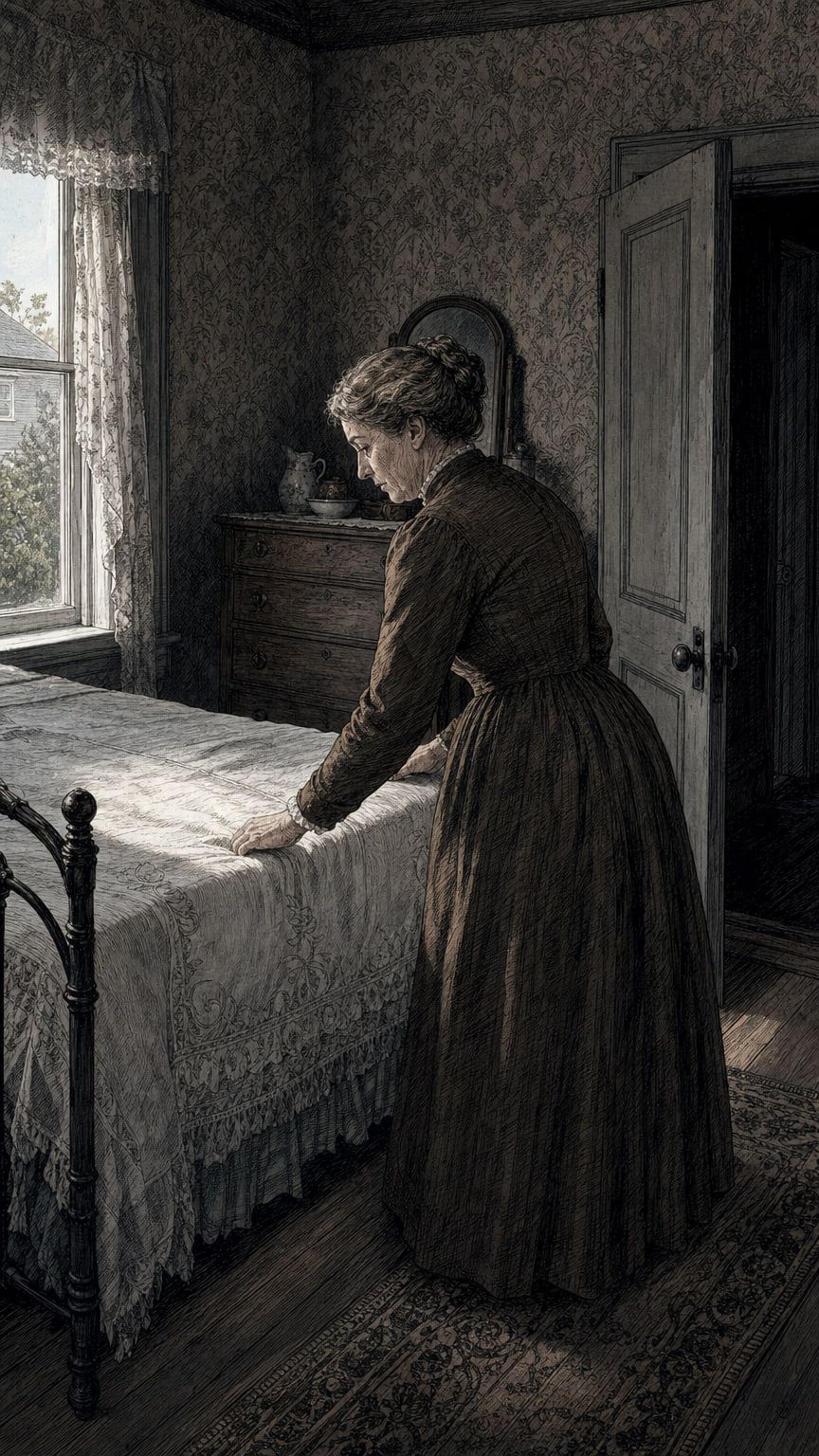
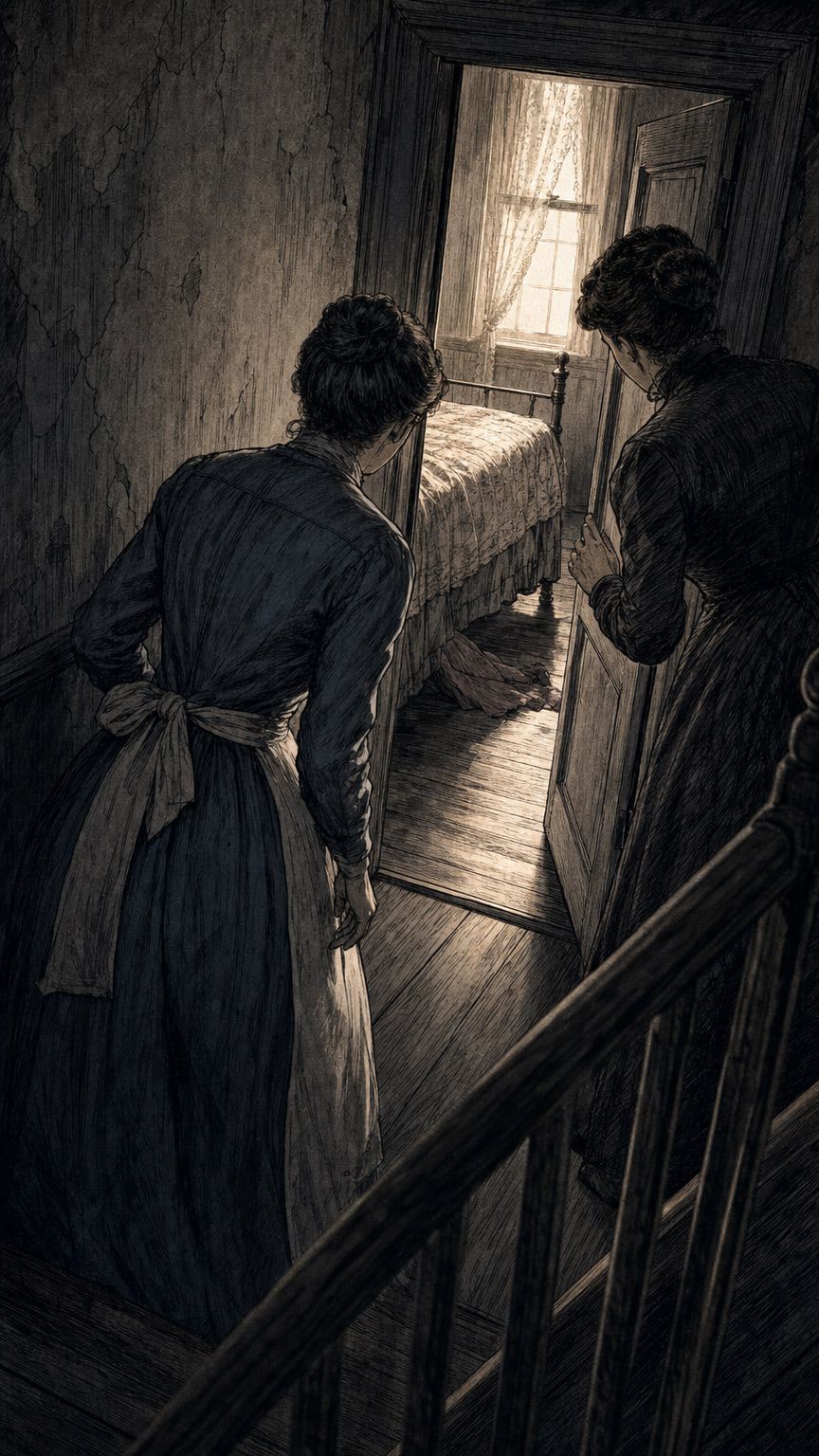
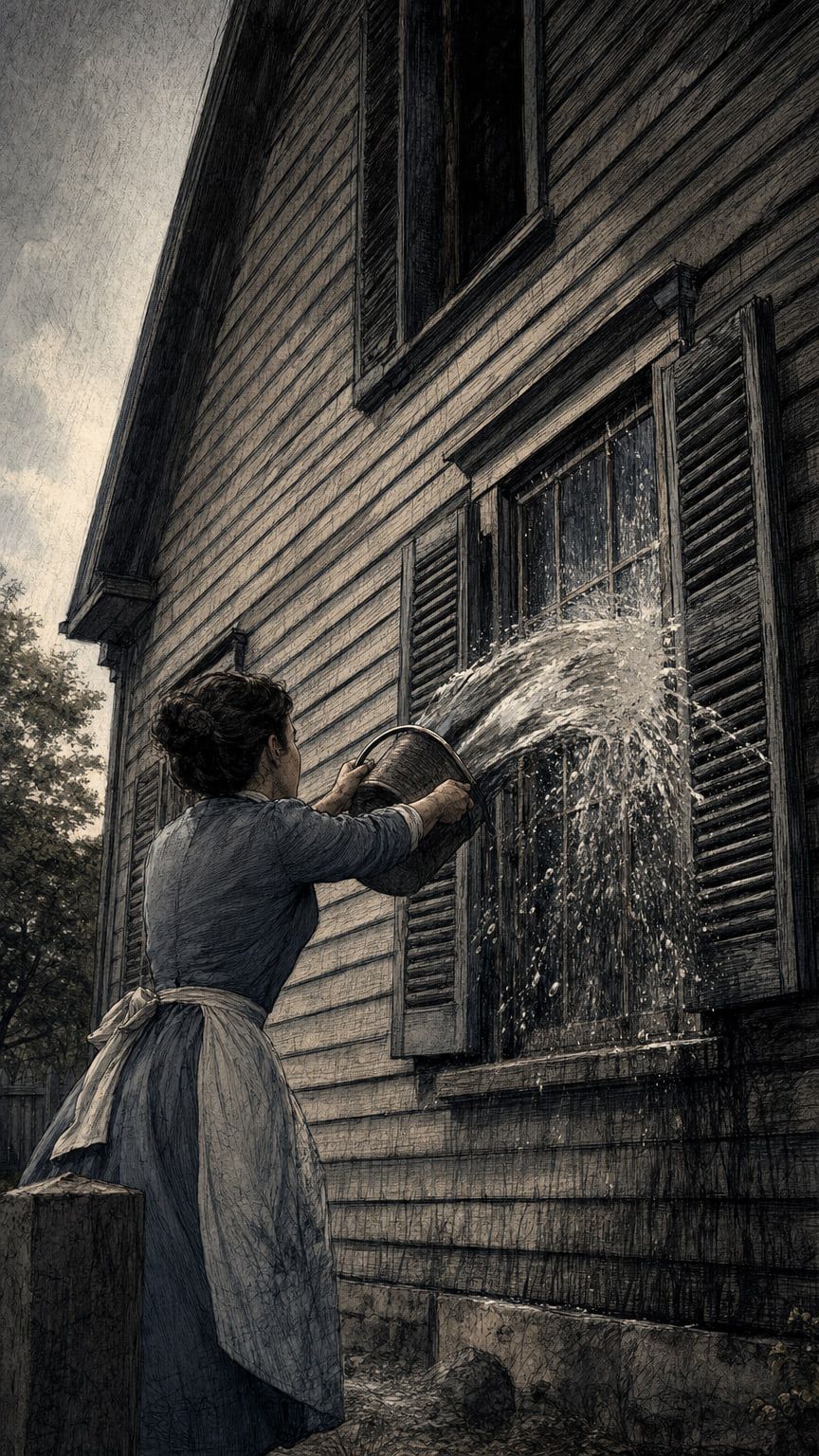
Abby goes up to make the bed in the guest room. She is attacked there with a hatchet and struck about 19 times. Bridget is outside washing the windows.
August 4, 1892About 10:30–10:45 a.m.
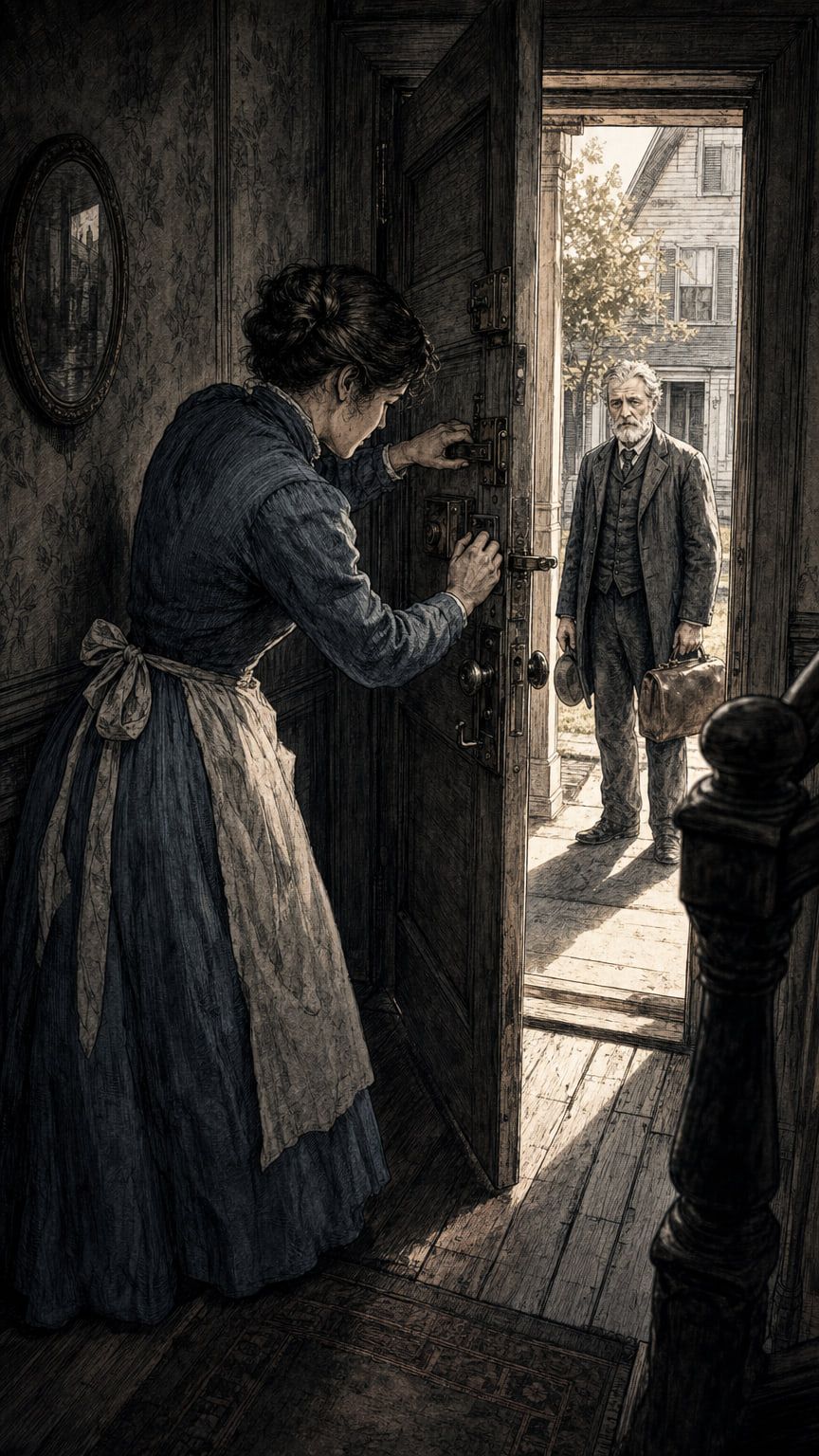
Andrew comes home. Bridget lets him in past a jammed lock and later testifies she heard Lizzie laugh at the top of the stairs. Lizzie tells her father Abby received a note about a sick friend and went out. No note is ever found.
August 4, 1892About 11:00 a.m.
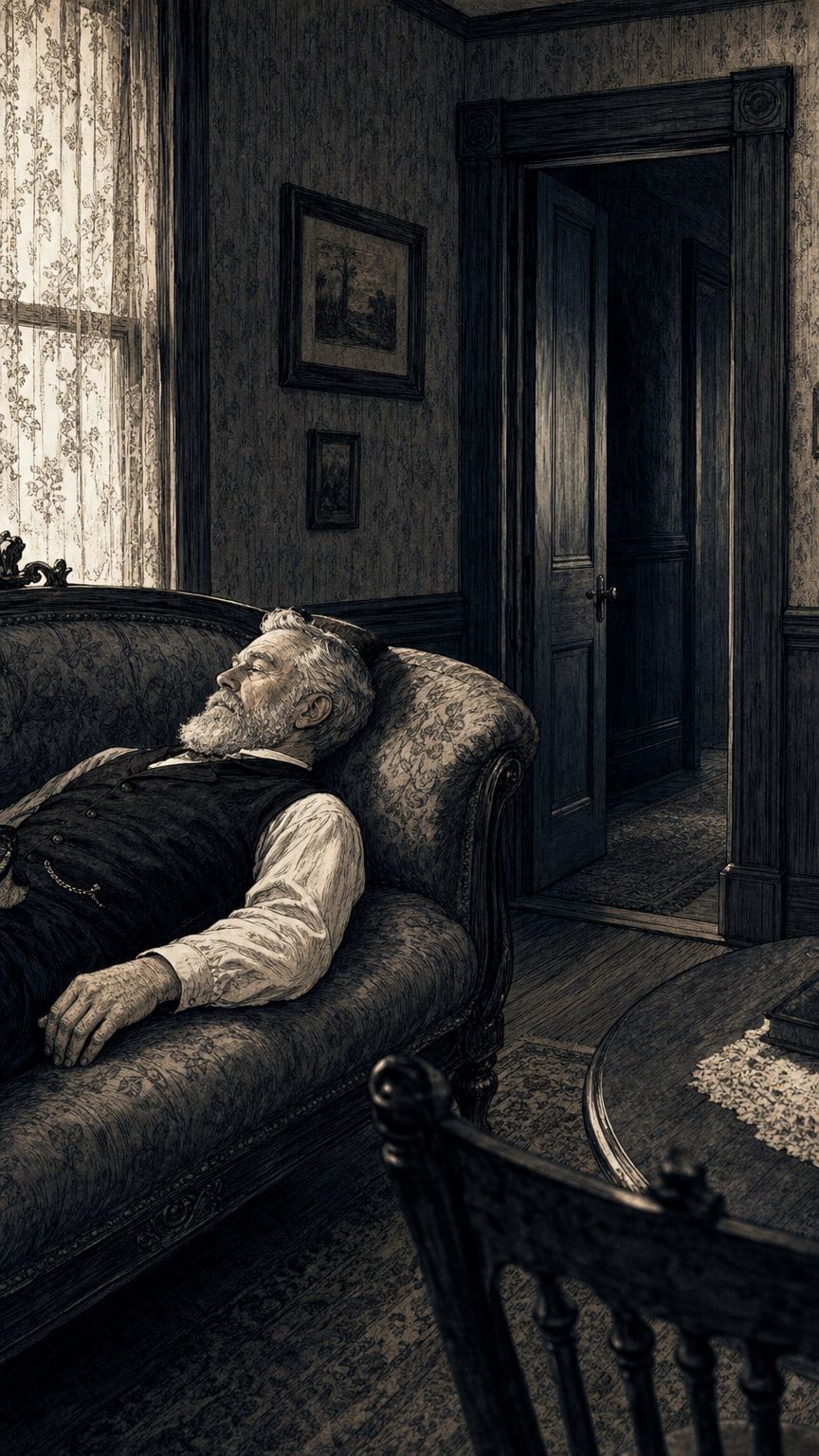
Bridget goes up to rest in her third-floor room. Andrew lies down on the sitting-room sofa and is struck 10 or 11 times in the head and face, probably while asleep.
August 4, 1892About 11:10 a.m.
Lizzie calls Bridget downstairs: her father is dead, and someone came in and killed him. She tells police she was in the barn loft. Around 11:40, a neighbor, Adelaide Churchill, and Bridget find Abby's body upstairs.
August 8, 1892
At a closed inquest, Lizzie is questioned for hours without a lawyer and gives differing accounts of where she was when her father came home. Around this time, her friend Alice Russell watches her burn a dress in the kitchen stove; Lizzie says it is covered with paint.
August 11, 1892
Lizzie is arrested, pleads not guilty, and is held at the jail in Taunton.
December 2, 1892
After Alice Russell testifies about the dress, a grand jury indicts Lizzie for both murders.
June 5, 1893
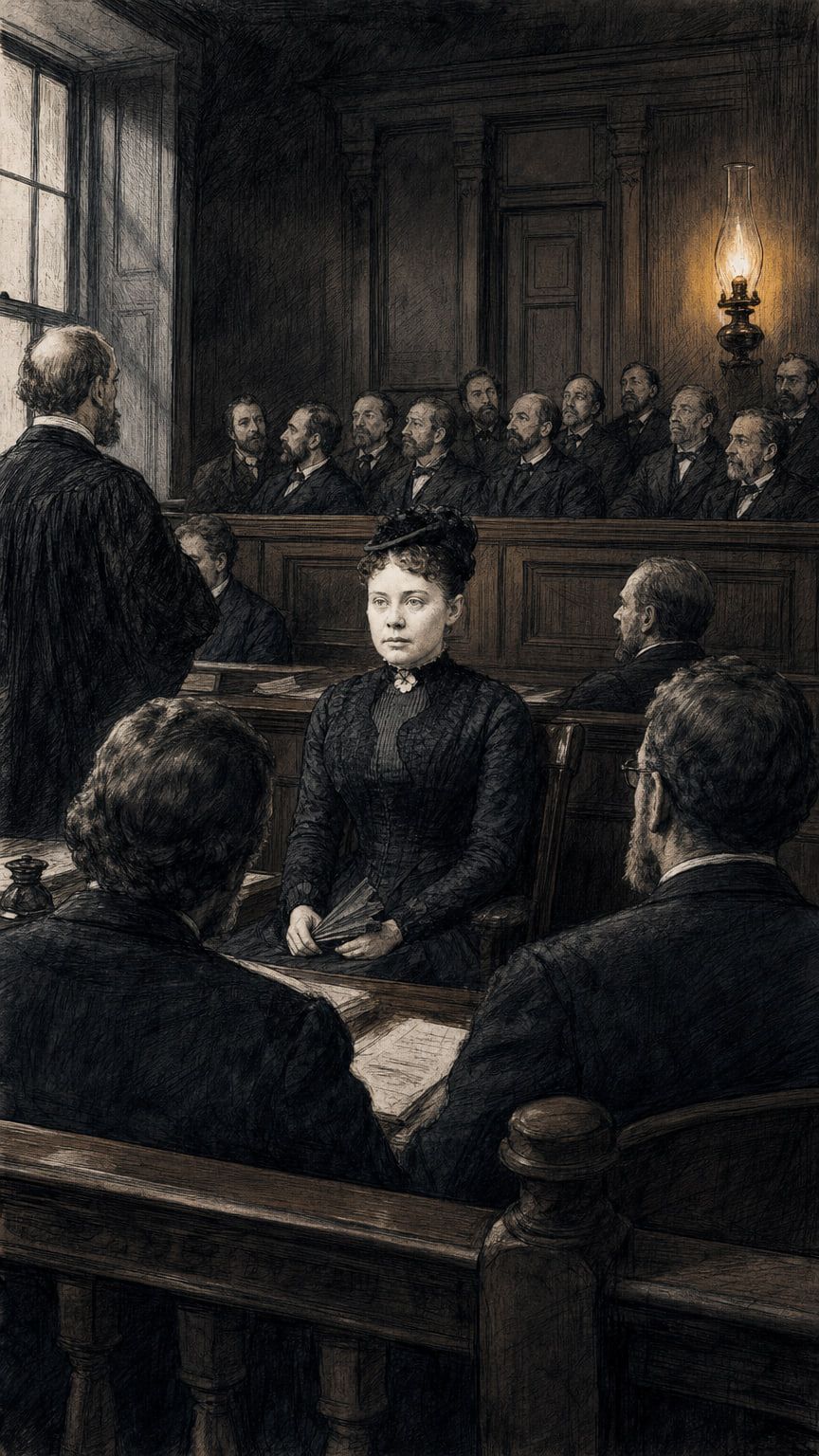
The trial opens in New Bedford before three judges. When the prosecution reveals the victims' skulls in court, Lizzie faints. The judges later exclude both her inquest testimony and the prussic acid evidence.
June 20, 1893
The jury acquits Lizzie on its first ballot. No one else is ever charged.
June 1, 1927
Lizzie, who had moved with Emma to a house she named Maplecroft and called herself Lizbeth, dies of pneumonia in Fall River at 66. Emma dies nine days later.
The full story
A quiet morning
On Thursday, August 4, 1892, the household at 92 Second Street in Fall River, Massachusetts, started the day like any other. Andrew Borden, 69, was one of the richest men in town, a bank president and property owner who still lived without indoor plumbing. He breakfasted with his second wife, Abby, their maid, Bridget Sullivan, and his late first wife’s brother, John Morse, who had stayed the night. Andrew’s younger daughter, Lizzie, 32, did not come down. Her sister, Emma, was out of town.
Morse left. Andrew went downtown on business. Bridget went outside to wash the windows. Abby went upstairs to make the bed in the guest room, and somewhere between 9:00 and 9:30 she was attacked there with a hatchet and struck about 19 times.
Nobody found her.
The second killing
Andrew came home around 10:45. Bridget let him in and later testified that she heard Lizzie laugh at the top of the stairs, on the same floor where Abby lay dead. Lizzie told her father that Abby had gone out after a note arrived about a sick friend. No note was ever found, and no messenger ever came forward.
Andrew lay down on the sitting-room sofa. Bridget went up to her room on the third floor. Around 11:00, someone struck Andrew 10 or 11 times in the head and face. He seems never to have woken. Minutes later Lizzie called up the stairs that her father was dead and that someone had come in and killed him. When a neighbor and Bridget went upstairs, they found Abby. Her blood had congealed. Andrew’s was still warm.
The case against Lizzie
Lizzie’s accounts shifted. She told police she had been in the barn loft looking for fishing sinkers, but an officer said the dust on the loft floor showed no footprints. At the inquest she gave several versions of where she had been when her father came home. A drugstore clerk said she had tried to buy prussic acid the day before. A few days after the murders, her friend Alice Russell watched her burn a dress in the kitchen stove; Lizzie said it was ruined with paint.
But there was no blood on her and no bloody clothing anywhere. A hatchet head with a broken handle turned up in the basement and was never shown to be the weapon. At trial the judges kept her inquest testimony and the poison evidence away from the jury. On June 20, 1893, the jury acquitted her.
After
Lizzie and Emma bought a large house on the Hill and lived there together until a falling-out in 1905. Lizzie died in 1927, still called a murderer in the town where she was found not guilty. No one else was ever charged, and the house on Second Street still stands.
What the video couldn't include
She was not my mother
Andrew married Abby three years after Lizzie's mother died. When Assistant Marshal John Fleet referred to Abby as Lizzie's mother, Lizzie corrected him: Abby was her stepmother. Lizzie and Emma resented Andrew's property gifts to Abby's family.
The barn loft
Lizzie said she was in the barn loft looking for lead sinkers for a fishing trip when her father was killed. An officer testified he saw no footprints in the dust on the loft floor. Defense witnesses said they had been up in the loft days earlier.
The hatchet head in the basement
Police found two hatchets, two axes and a hatchet head with a freshly broken handle in the basement. The head appeared to have been dusted with ash. It was shown at trial but never proven to be the murder weapon.
What the jury never heard
The judges ruled Lizzie's inquest testimony inadmissible because she had effectively been a prisoner without a warning of her right to stay silent. They also excluded Eli Bence's prussic acid testimony as too remote from the killings.
Another hatchet killing, five days before trial
On June 1, 1893, Bertha Manchester was found hacked to death in her Fall River kitchen. A man named Jose Correa de Mello was convicted of her murder in 1894, but he was shown not to have been near Fall River when the Bordens were killed.
What survives
The Fall River Historical Society holds the largest collection of evidence from the case, much of it saved by defense lawyer Andrew Jennings: the handleless hatchet head shown at trial, a bedspread with Abby's blood, hair from both victims, and the lunch pail Lizzie used during ten months in Taunton jail.
The rhyme is wrong
"Lizzie Borden took an axe" gets the facts wrong: Abby was her stepmother, the weapon was a hatchet, and the victims received about 19 and 10 or 11 blows, not 40 and 41.
The video and the record
The episode tells this case in about 2 minutes with illustrated recreations. Here is how its key moments line up with what is documented.
His wife had already been dead upstairs for roughly ninety minutes
Documented
The state of the blood when the bodies were found established that Abby died first. Estimates of the gap run from about an hour and a half to two hours.
Bridget later said she heard his daughter Lizzie laugh near the top of the stairs
Documented
Bridget Sullivan's trial testimony. Lizzie denied being upstairs.
Minutes later, someone struck Andrew repeatedly in the head
Documented
The time of death was estimated at about 11:00 a.m. The video does not name a killer, and neither does the record.
Lizzie called Bridget down, saying her father had been killed
Compressed
Bridget was resting in her room on the third floor. Abby's body was found about half an hour later by Bridget and the neighbor Adelaide Churchill.
Her account of her movements changed
Documented
Lizzie gave police and the inquest differing accounts: the barn loft, ironing, reading in the kitchen, coming down the stairs.
The jury deliberated for under two hours and acquitted her
Compressed
Accounts differ: contemporary newspapers reported about 40 minutes, while later accounts put it at around an hour and a half.
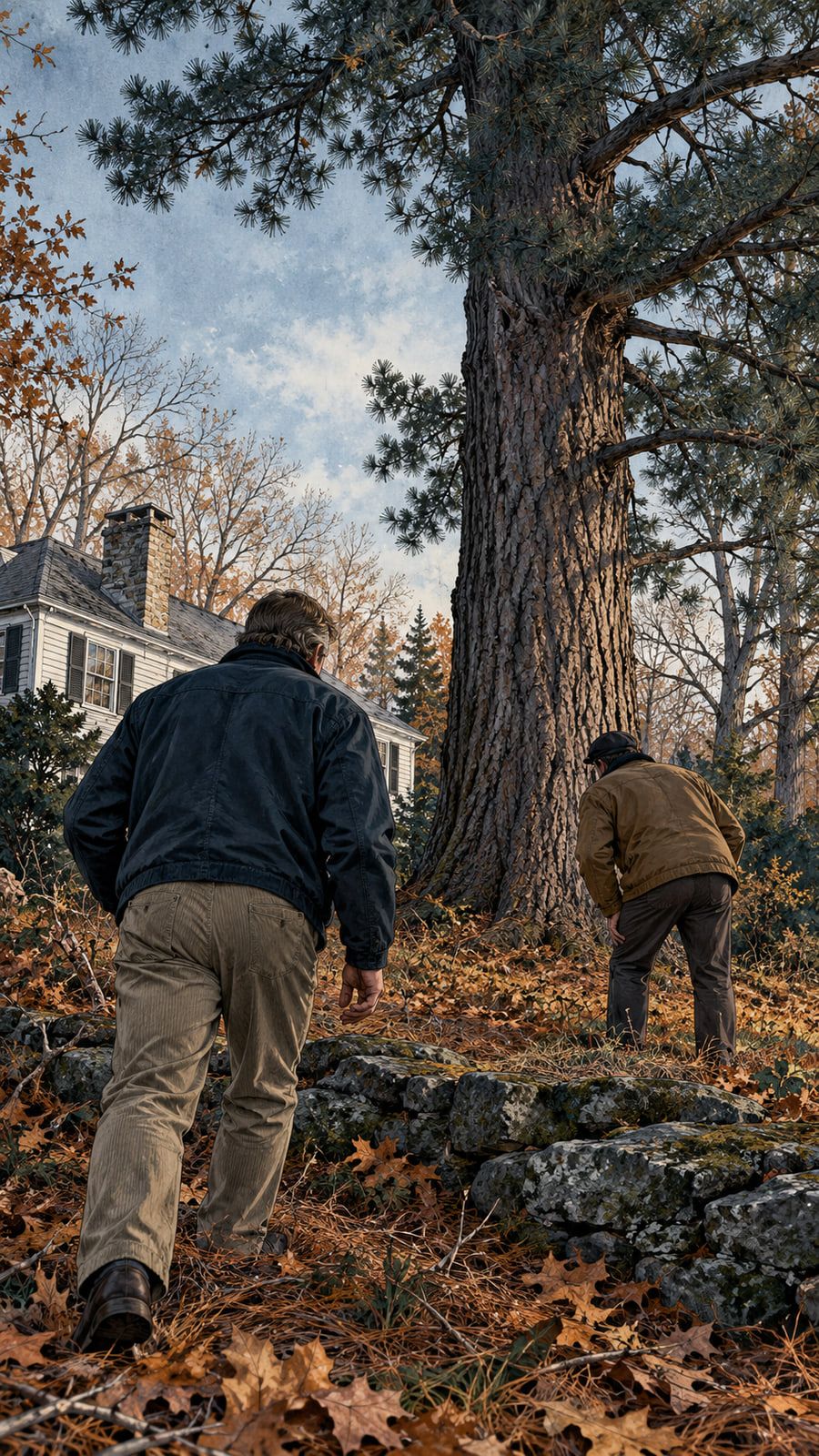
Bridget washing the windows, Andrew on the sofa, the discovery upstairs
Reconstruction
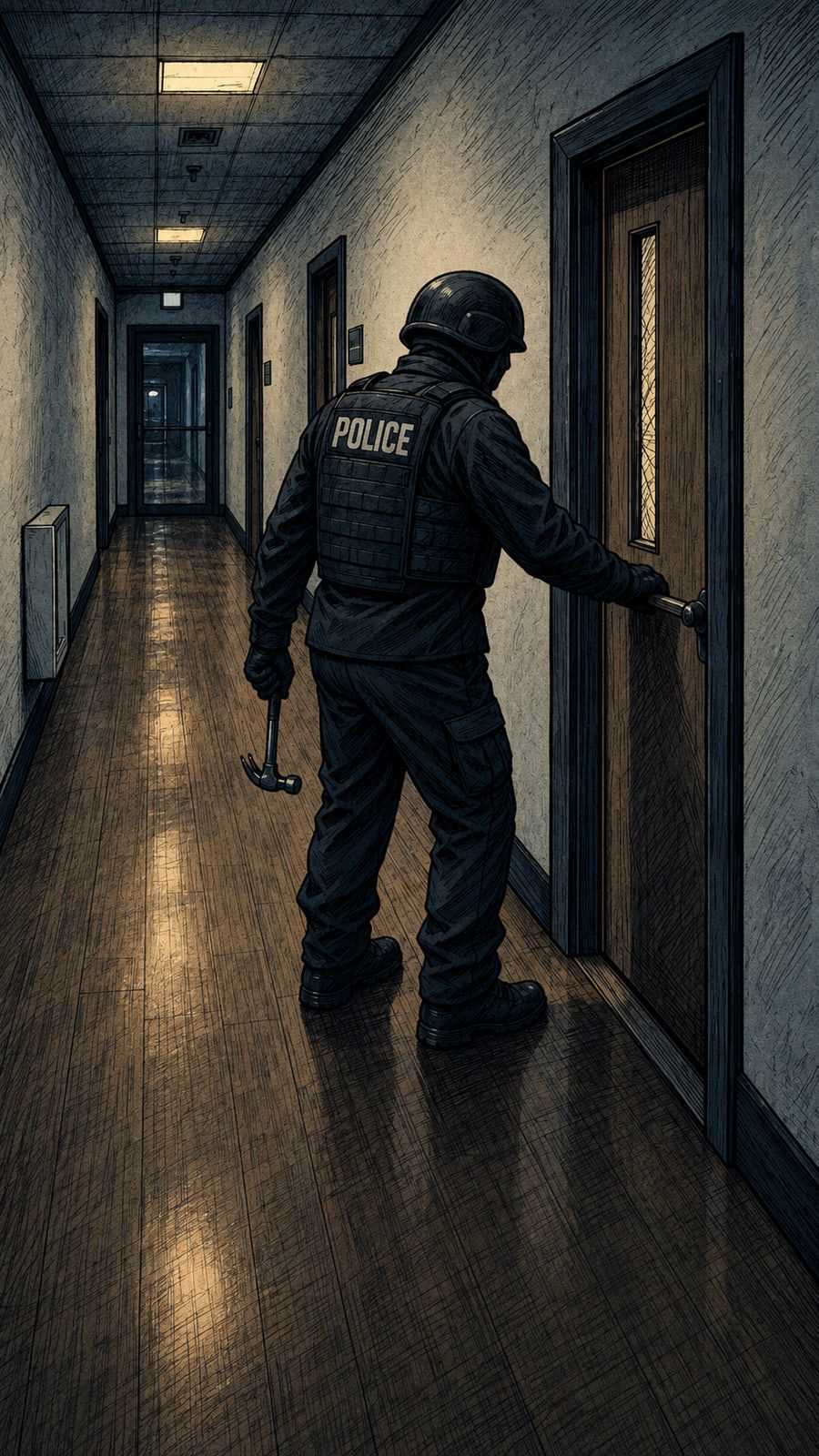
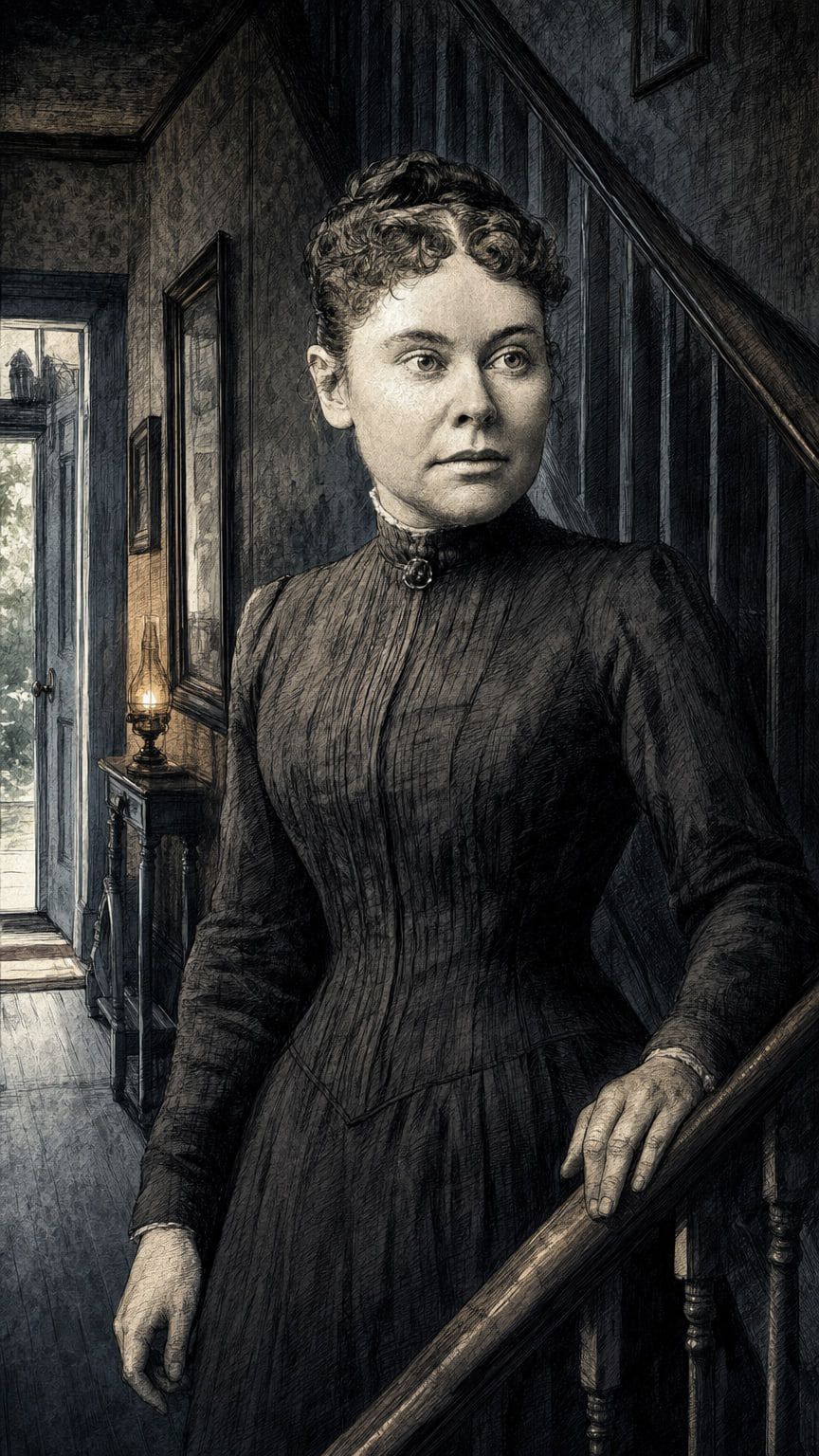
AI-generated illustrations. No crime-scene or autopsy photographs are reproduced.
What the four marks mean
- Documented
- Shown as it is recorded in court filings, police statements, or consistent reporting.
- Reconstruction
- A reasonable visual recreation of a documented event. The event happened; the image is illustrative.
- Compressed
- Real events shortened, merged, or reordered to fit the runtime.
- Dramatized
- A storytelling choice (framing, wording, emphasis) that the record does not establish.
Sources
- [1]Famous Trials (Douglas O. Linder, University of Missouri–Kansas City School of Law)“The Trial of Lizzie Borden: An Account”A narrative account of the inquest, preliminary hearing and trial drawn from the trial record and testimony.
- [2]Smithsonian Magazine“How Lizzie Borden Got Away with Murder”
- [3]Lizzie Borden House“What Really Happened? The Unsolved 1892 Lizzie Borden Murder Timeline”Timeline published by the business that operates the house at 92 Second Street.
- [4]The Herald News, via the USA Today NetworkFall River Historical Society collection of Lizzie Borden evidence
- [5]Wikipedia“Lizzie Borden”
SourcedFacts in this file come from the reporting listed above. Some details are still waiting on primary records. Last reviewed October 6, 2026. How we check cases