Elizabeth Short and the envelope
Nine days after her body was found, someone mailed her birth certificate and address book to a newspaper. Nearly eighty years later, no one has been charged.
- When
- January 15, 1947
- Where
- Leimert Park, Los Angeles, California
- Status
- Unsolved
Content note murder. No graphic images.
In brief
Elizabeth Short, 22, was found murdered in a vacant lot in the Leimert Park neighborhood of Los Angeles on January 15, 1947. Robert Manley, a salesman she had been traveling with, said he had left her at the Biltmore Hotel downtown six days earlier. The FBI identified her from fingerprints within an hour of receiving them. Newspapers named her the Black Dahlia and built a lurid legend around her. On January 24 an envelope arrived containing her birth certificate, address book and other papers, with a pasted-up message: "Here is Dahlia's belongings, letter to follow." More notes followed, including a promise to surrender that no one kept. The Los Angeles Police Department questioned more than 150 suspects and received hundreds of confessions. No one was ever charged, and the case remains unsolved.
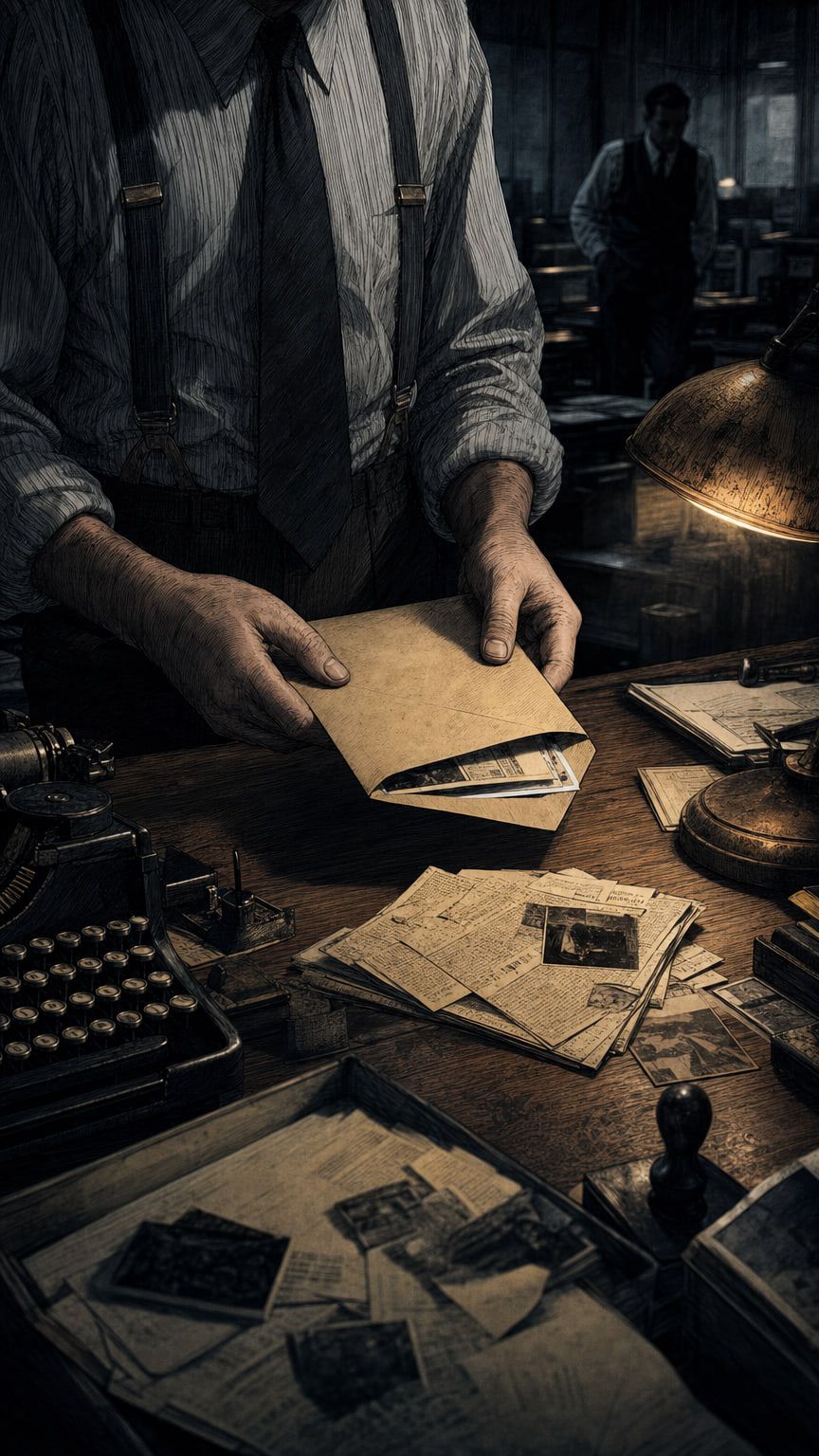
Turning pointAn envelope arrived with her birth certificate and address book inside, addressed in letters clipped from newspapers. Whoever sent it had her belongings.
- Victim
- Elizabeth Short, 22, born July 29, 1924, in Boston
- Found
- January 15, 1947, in a vacant lot on South Norton Avenue, Leimert Park
- Last accounted for
- January 9, 1947, when Robert Manley said he left her at the Biltmore Hotel
- Identified
- By the FBI, 56 minutes after it received her fingerprints
- Suspects
- More than 150 questioned in the early investigation; no one charged
- Status
- Unsolved
Timeline
July 29, 1924
Elizabeth Short is born in the Hyde Park neighborhood of Boston, the third of five daughters. She grows up in Medford, Massachusetts.
1943
In California, she applies for a job at the commissary at the Army's Camp Cooke. Seven months later Santa Barbara police arrest her for underage drinking. Both put her fingerprints on file with the FBI.
January 9, 1947
Robert Manley, a salesman who had driven her up from San Diego, leaves her at the Biltmore Hotel in downtown Los Angeles. He says she told him she was meeting her sister. After that, accounts of her movements are unconfirmed.
January 15, 1947Morning
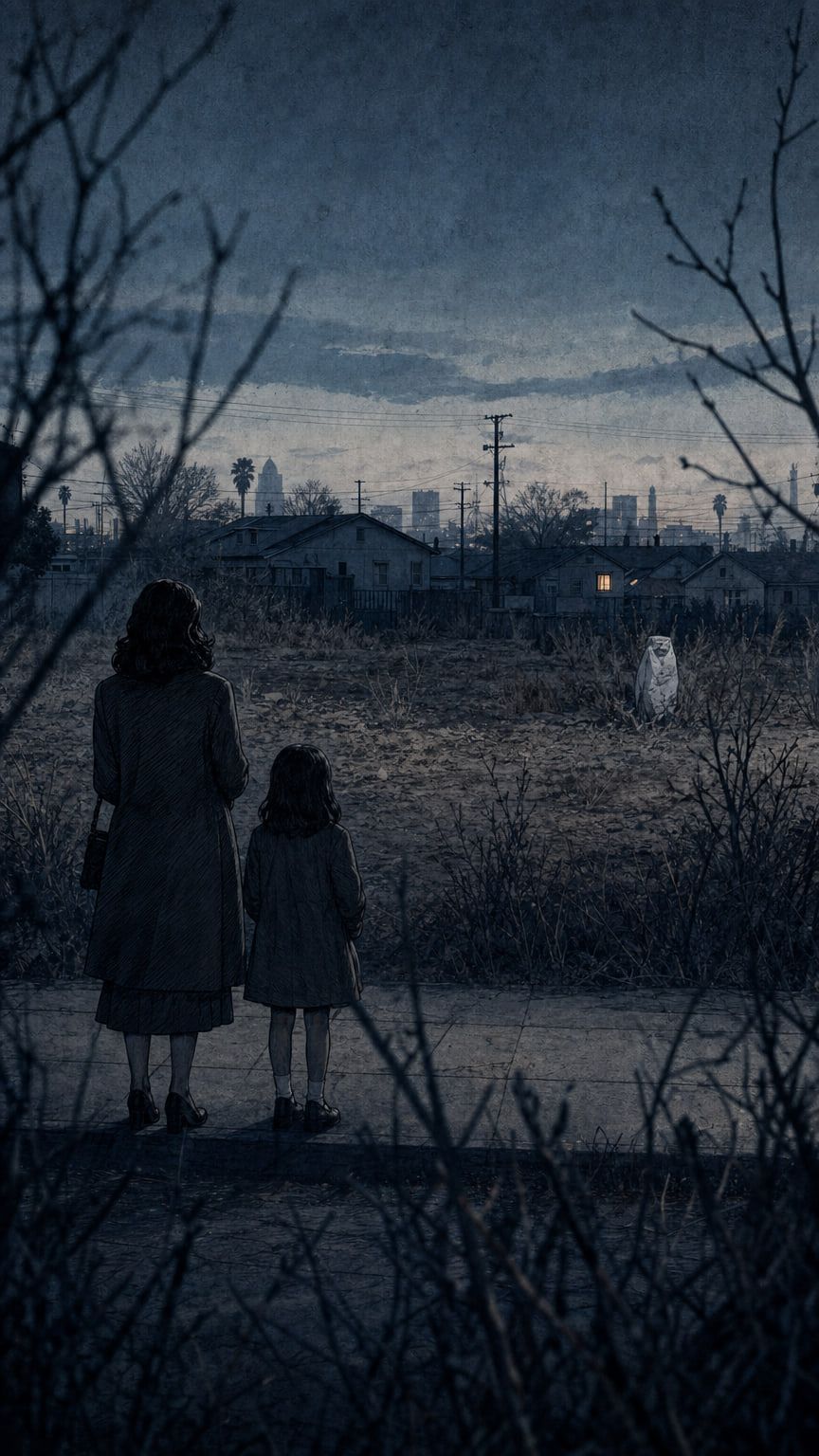
A mother walking with her child on South Norton Avenue in Leimert Park sees what she first takes for a mannequin in a vacant lot. It is the body of a young woman. There is no blood at the scene, and investigators conclude she was killed elsewhere.
Within days
Her fingerprints are sent to the FBI by Soundphoto. The Bureau identifies her as Elizabeth Short 56 minutes later. An Examiner reporter calls her mother, Phoebe, and tells her Elizabeth has won a beauty contest, gathering details before revealing that she is dead.
January 24, 1947
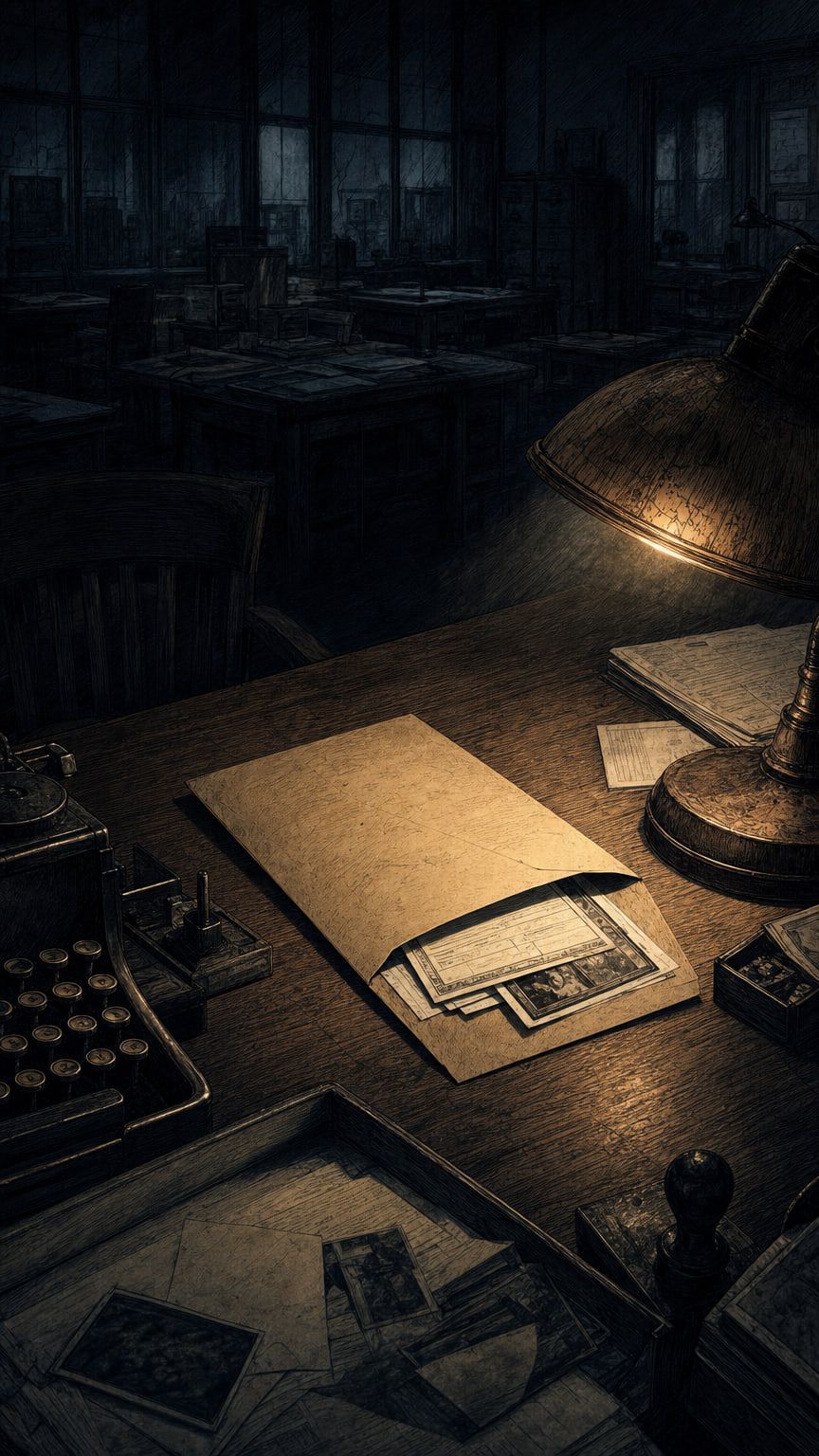
An envelope arrives addressed in pasted newspaper letters. Inside are Short's birth certificate, business cards, photographs and an address book. The message on the front reads "Here is Dahlia's belongings, letter to follow." The contents have been cleaned with gasoline.
Late January 1947
The Examiner receives a note, signed "Black Dahlia Avenger," promising the writer will turn himself in on Wednesday, January 29, at 10 a.m.
January 29, 1947
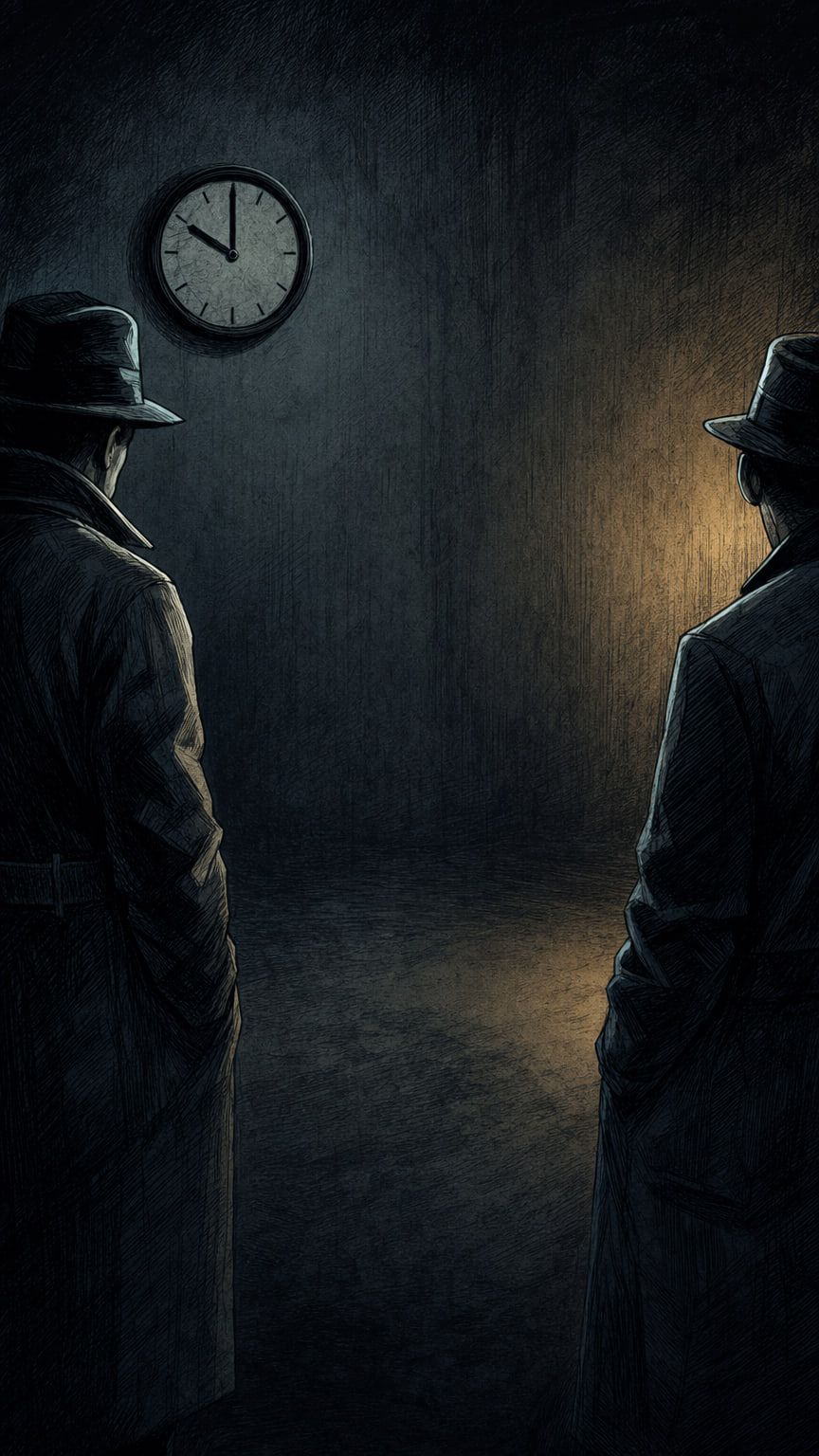
Police wait at the named place. No one comes. At 1 p.m. the Examiner receives another pasted-up note: "Have changed my mind. You would not give me a square deal. Dahlia killing was justified."
1949
A Los Angeles County grand jury examines the police department's failure to solve a series of murders, including Short's. Further investigation produces nothing new.
The full story
Who she was
Elizabeth Short was born in Boston in 1924 and grew up in Medford, Massachusetts, the third of five daughters. Her father left the family when she was a child; years later she learned he was alive and living in California, and at 18 she went to live with him. It did not last. She worked at an Army base commissary, spent time in Florida and moved around a great deal.
By January 1947 she had no permanent address. A salesman named Robert Manley drove her from San Diego to Los Angeles on January 9 and left her at the Biltmore Hotel, where she said she was meeting her sister. That was not true. What she did over the next six days has never been firmly established.
The discovery
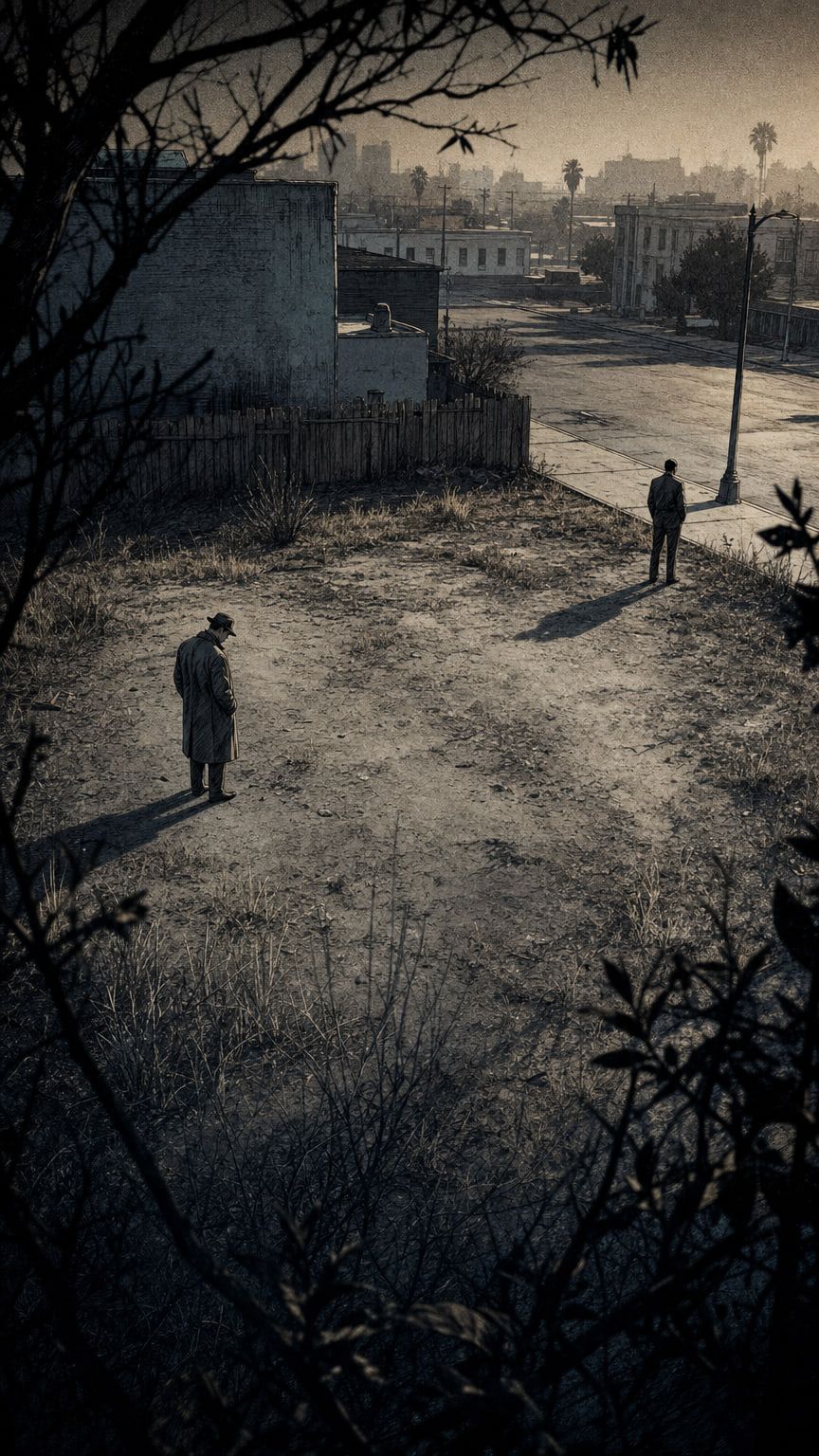
On the morning of January 15, a mother walking with her small child along South Norton Avenue in Leimert Park, then largely undeveloped, saw a pale shape in a vacant lot and thought it was a mannequin. It was Elizabeth Short. Her body had been cut in two. There was no blood at the scene, and investigators concluded she had been killed somewhere else and brought there.
The Los Angeles Examiner sent her fingerprints to the FBI by Soundphoto, an early news-wire fax. The Bureau matched them in 56 minutes: her prints were on file from a 1943 job application and an arrest in Santa Barbara for underage drinking.
The press
Four Los Angeles papers were competing for the story. An Examiner reporter phoned her mother, Phoebe, in Boston and told her Elizabeth had won a beauty contest, drawing out details about her life before telling her that her daughter was dead. The papers named her the Black Dahlia and described her as an adventuress who prowled Hollywood Boulevard. The Los Angeles Times, drawing on decades of research by Larry Harnisch, describes much of that portrait as myth.
The envelope
On January 24, an envelope turned up addressed in words cut from newspapers. Inside were her birth certificate, business cards, photographs and an address book. The contents had been cleaned with gasoline. The message read, “Here is Dahlia’s belongings, letter to follow.”
More notes came, signed or claiming to be from the killer. One said the writer would turn himself in at 10 a.m. on January 29. Police waited. No one came. At 1 p.m. another note arrived at the Examiner saying the writer had changed his mind. No one has ever shown that the same person wrote all of them.
Unsolved
Hundreds of officers worked the case. More than 150 men were questioned, false confessions poured in, and in 1949 a grand jury examined why so many Los Angeles murders of women had gone unsolved. No one was charged with killing Elizabeth Short. The FBI’s own history of the case says the murderer has never been found and probably never will be.
Whoever mailed that envelope had her papers after she died. That question is still open.
What the video couldn't include
The nickname
The Los Angeles Times reports that Short picked up the nickname at a Long Beach drugstore she frequented, a play on the film "The Blue Dahlia." Historian Larry Harnisch says there is no proof she knew of it. It was the press that made it famous after her death.
She was not an aspiring starlet
The legend casts her as a would-be actress. According to Harnisch, a retired Los Angeles Times editor who has researched the case for decades, she never took an acting class, never registered with Central Casting and never lost her Boston accent. The Times reports she came to Southern California to follow a romance, not a film career.
How the papers wrote her
Hearst's Examiner and Herald-Express sensationalized the case, describing her as an "adventuress" who "prowled Hollywood Boulevard." The Examiner offered to fly her mother to Los Angeles, then kept her away from police and rival reporters to protect its scoop.
The fingerprints on the mail
The FBI searched for a match to fingerprints found on an anonymous letter that may have come from the killer. The prints were not in its files. Wikipedia's account says partial prints from the envelope were compromised in transit.
Hundreds of confessions
Police received about sixty confessions during the initial investigation. Over the decades, more than 500 people have confessed, some of them born after she died.
A theory for every author
Books have named many different killers. Harnisch says he does not believe there is a single factually reliable book about the case. A retired head of the LAPD's cold case unit told the Los Angeles Times the physical evidence was nearly gone by 2001 and the case is unlikely ever to be solved.
The video and the record
The episode tells this case in about 3 minutes with illustrated recreations. Here is how its key moments line up with what is documented.
She mistook it for a mannequin until she came closer
Documented
The FBI's history of the case says the mother reportedly thought it was a mannequin at first.
Robert Manley had left her at the Biltmore Hotel, where he said she planned to meet her sister
Documented
Manley's account. The Los Angeles Times reports that she had lied to him about the sister.
Because there was no blood where she was found, investigators concluded she had been killed elsewhere
Documented
From the FBI's account.
Newspapers called her the Black Dahlia
Compressed
The press made the name famous. The Los Angeles Times reports she may have been called it at a Long Beach drugstore while alive.
Investigators recovered no usable fingerprints
Compressed
Accounts differ on whether prints were compromised in transit or simply not found in FBI files. Either way, no match was made.
One promised to surrender on January twenty-ninth at ten, so police waited
Documented
Police waited; no one appeared. That the notes shared an author was never established.
An Examiner reporter told Elizabeth's mother that her daughter had won a beauty contest
Documented
Recounted by the Los Angeles Times and by a reporter who was present.
The newsroom, the envelope, the empty meeting place
Reconstruction
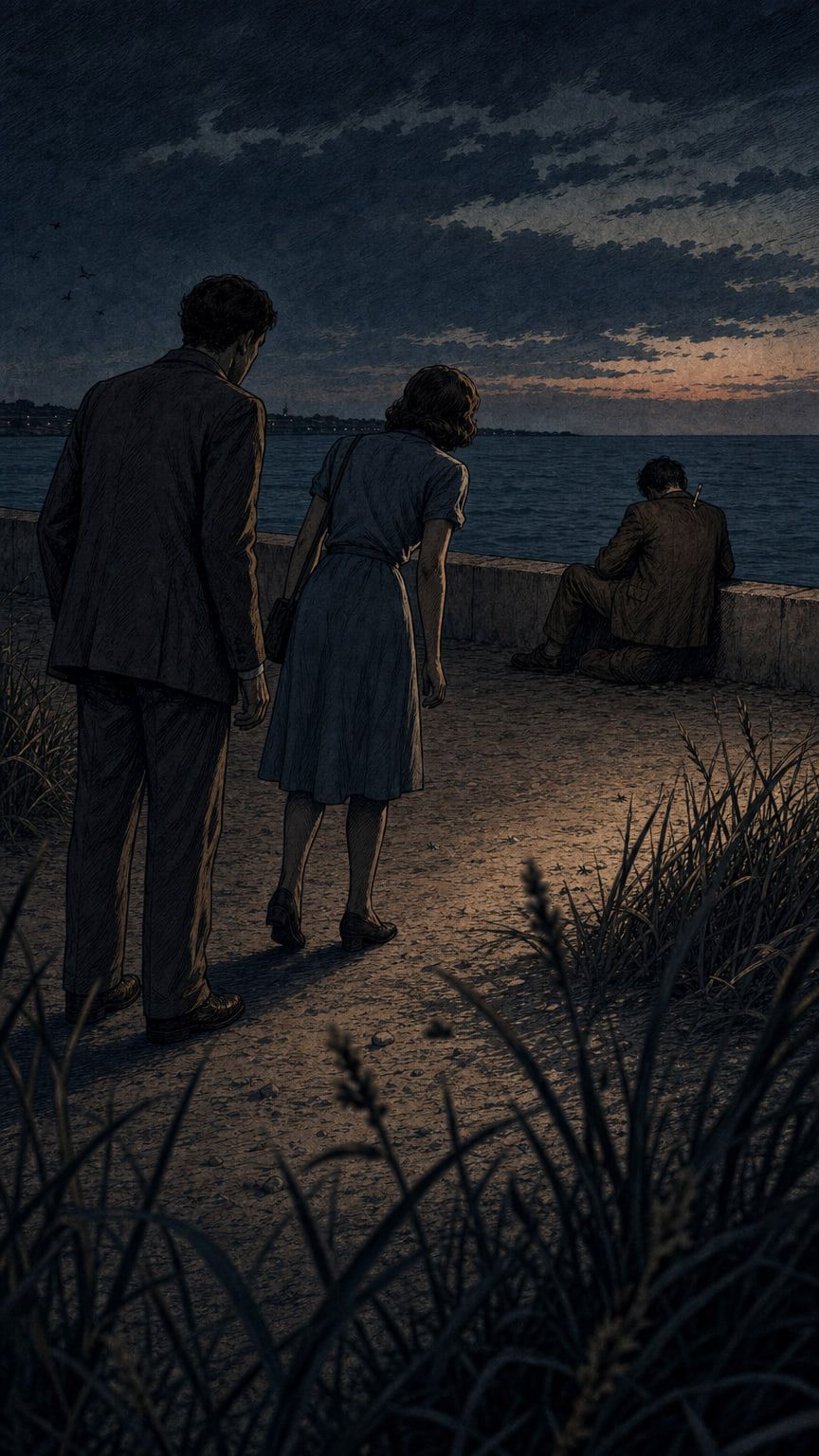
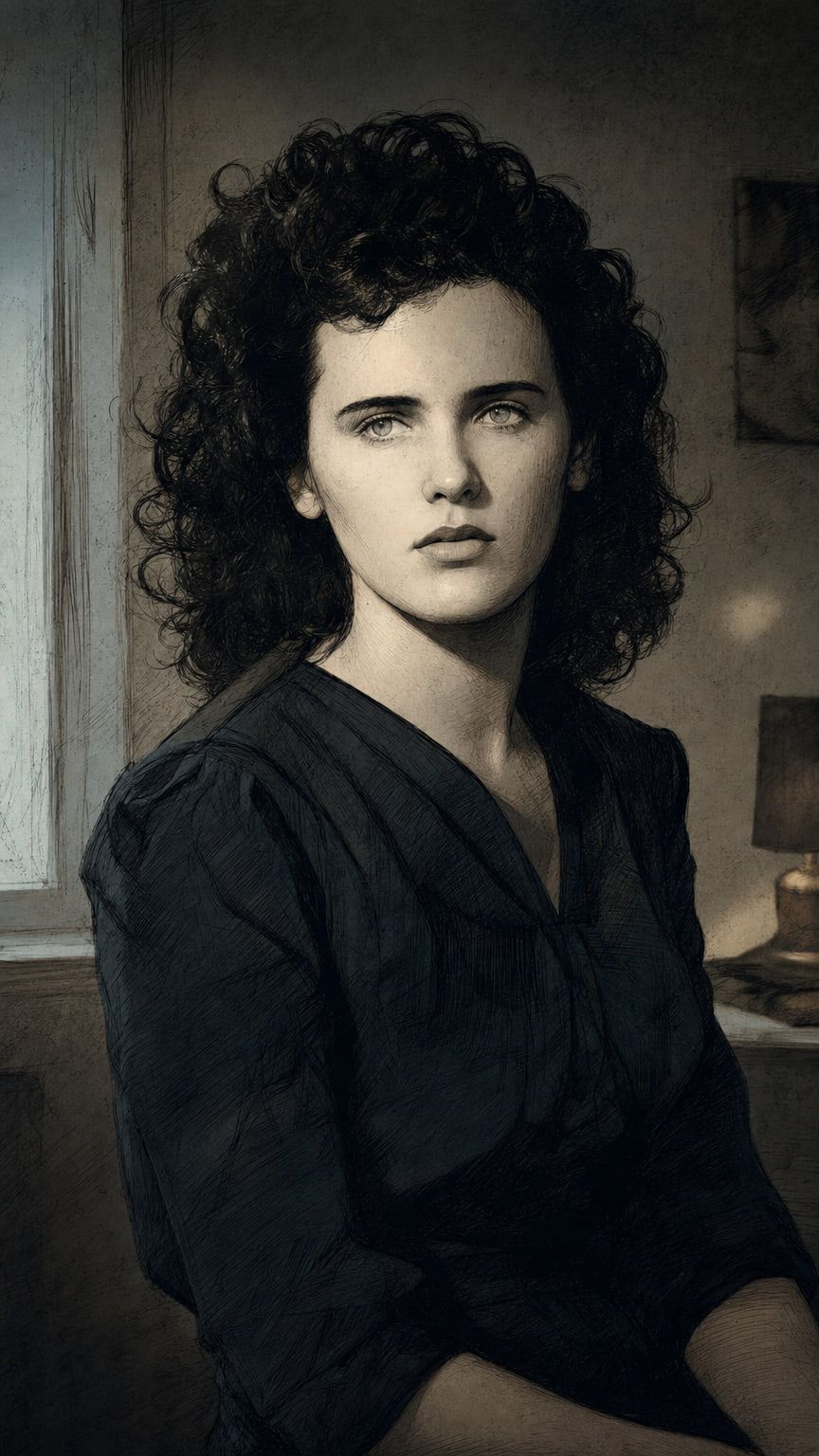
AI-generated illustrations. The body is not depicted, and no archival evidence images are reproduced.
What the four marks mean
- Documented
- Shown as it is recorded in court filings, police statements, or consistent reporting.
- Reconstruction
- A reasonable visual recreation of a documented event. The event happened; the image is illustrative.
- Compressed
- Real events shortened, merged, or reordered to fit the runtime.
- Dramatized
- A storytelling choice (framing, wording, emphasis) that the record does not establish.
Sources
- [1]FBI, History: Famous Cases and Criminals“Black Dahlia”
- [2]Los Angeles Times“The Black Dahlia mystery: Wild theories, enduring myths and a long-overlooked suspect”
- [3]Wikipedia“Black Dahlia”
SourcedFacts in this file come from the reporting listed above. Some details are still waiting on primary records. Last reviewed September 12, 2026. How we check cases