Sherri Rasmussen and the swab in the freezer
Police read the scene as a burglary that went wrong. The killer went back to work the next morning, in uniform, and stayed on the job for twenty-three years.
- When
- February 24, 1986
- Where
- Los Angeles, California
- Status
- Convicted
Content note murder, gun violence. No graphic images.
In brief
Sherri Rasmussen was 29, a critical-care nursing director, and about three months into her marriage to John Ruetten when she was killed at their Los Angeles home on February 24, 1986. She had stayed home sick. Ruetten found her that evening on the living-room floor. She had been beaten, her wrists showed marks consistent with an attempt to bind them, and she had been shot three times in the chest through a quilt that had been wrapped around the gun. Detectives treated the scene as a burglary that had gone wrong, although little was taken and there was no forced entry. Sherri's father later said he had urged them to look at a woman from Ruetten's past, an officer in the Los Angeles Police Department. During the attack the killer had bitten Sherri's arm, and the swab taken from that bite stayed in a coroner's freezer. Tested in 2005, it produced a female DNA profile that matched nothing in any database. In 2009 detectives narrowed a list of women connected to the couple to one: LAPD detective Stephanie Lazarus. They followed her, collected a cup and straw she discarded, and matched the DNA. She was arrested at work on June 5, 2009, convicted of first-degree murder in 2012, and sentenced to 27 years to life.
Turning pointThe bite was the only thing the killer left behind that could not be explained away as a burglary. A swab of it was taken in 1986 and simply kept. Nineteen years later it was still good enough to test.
- Victim
- Sherri Rasmussen, 29, a critical-care nursing director
- Where
- The condominium she shared with her husband in Los Angeles
- Killed
- February 24, 1986; beaten and shot three times
- First theory
- A burglary interrupted, despite no forced entry and little taken
- The evidence that kept
- A swab from a bite on her arm, held at the coroner's office since 1986
- DNA tested
- 2005, producing a female profile with no database match
- Convicted
- LAPD detective Stephanie Lazarus, 2012, first-degree murder
Watch the episode
Timeline
November 1985
Sherri Rasmussen marries John Ruetten. She is the director of critical care nursing at a Los Angeles hospital.
Before the murder
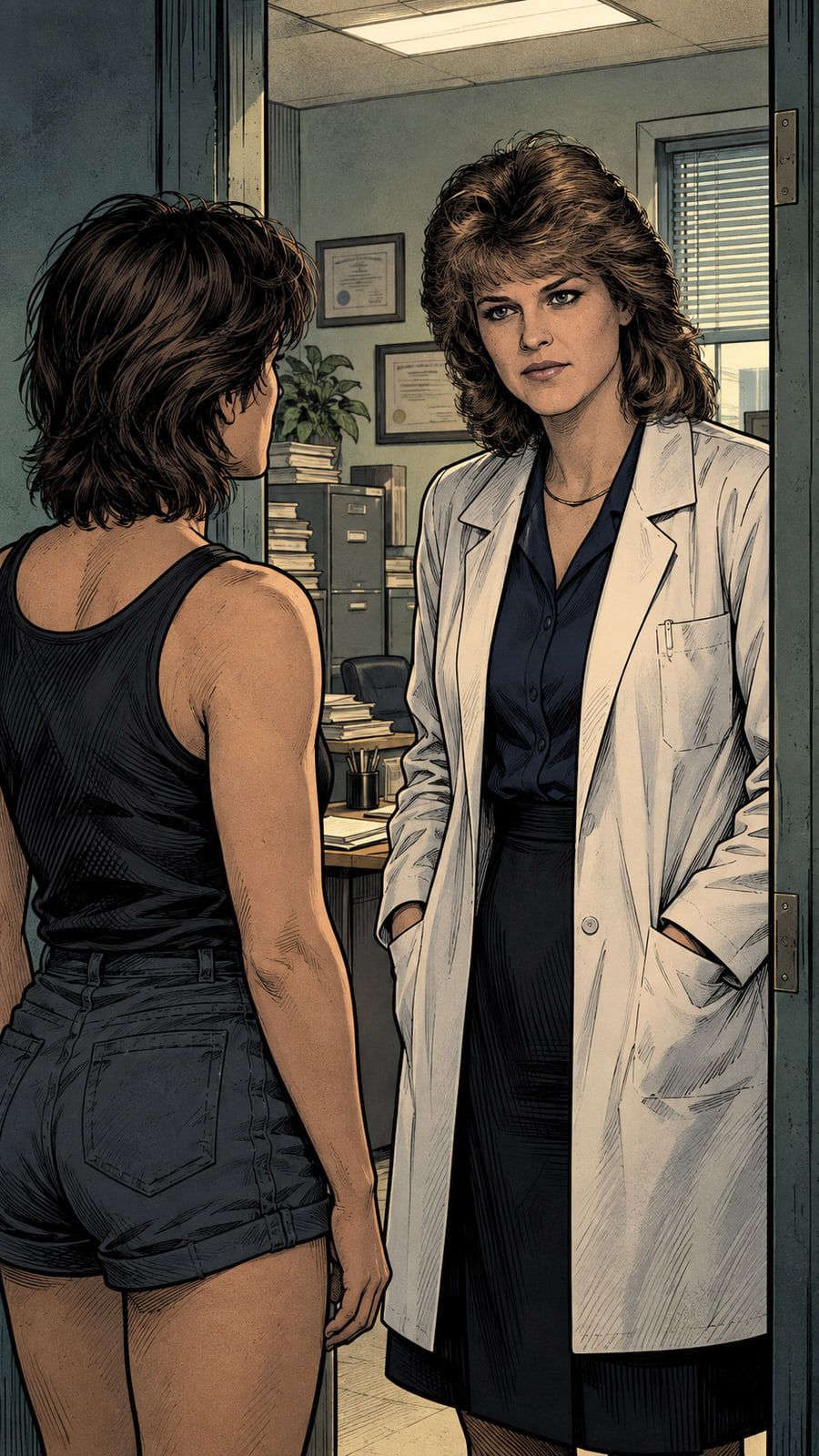
A woman Ruetten had been involved with before the marriage comes to Sherri's workplace and speaks to her about the relationship. The confrontation at the hospital is part of the trial record.
About a month before
Sherri's family describes an earlier encounter at the couple's home, with the same woman inside the house, and Sherri telling her to leave and stay away. The account comes from the family rather than from a finding of fact.
February 24, 1986Morning
Sherri stays home from work, unwell. Ruetten's calls during the day go unanswered.
February 24, 1986Evening
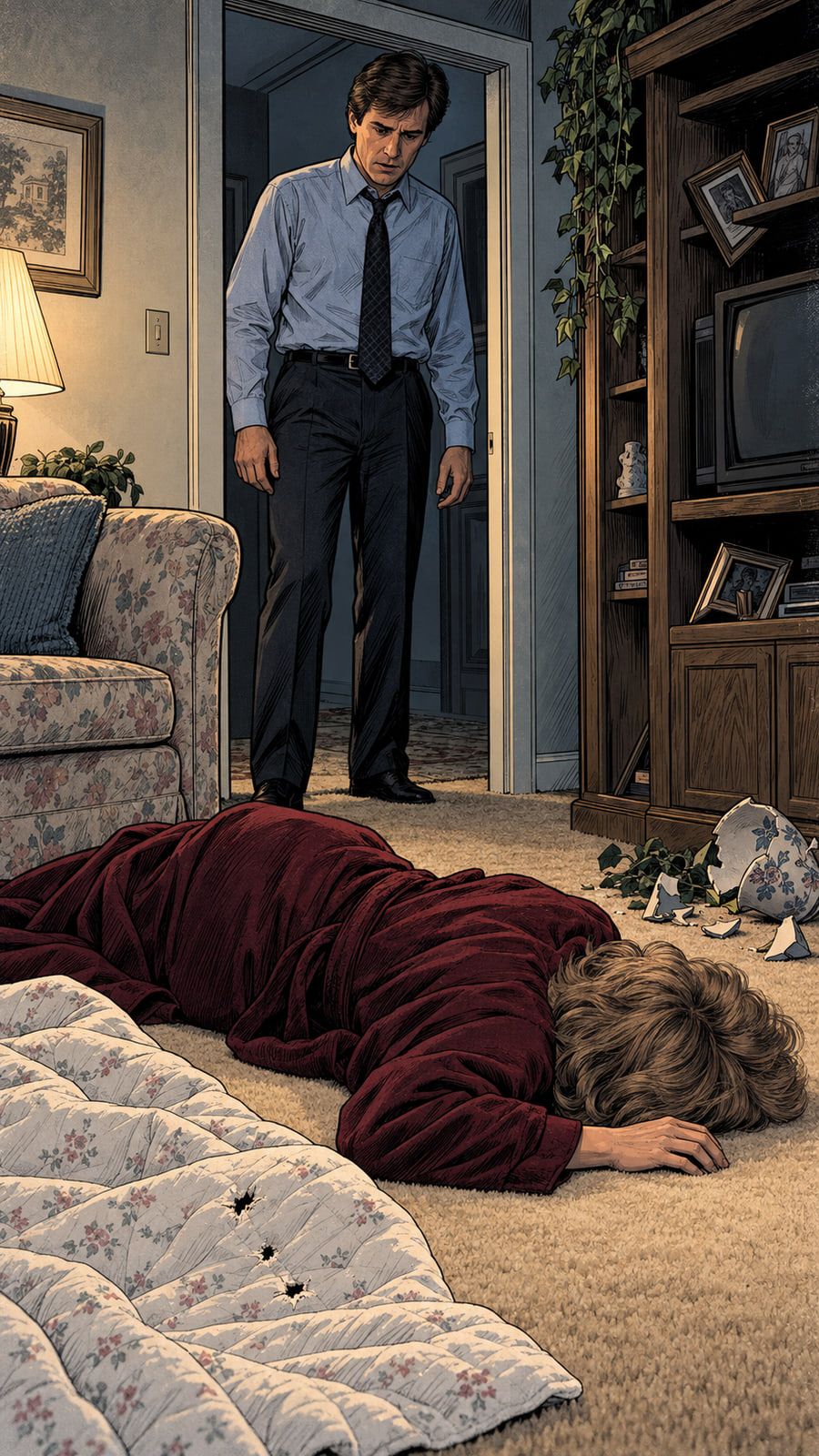
Ruetten comes home to an open garage, a missing car and the front door unlocked, and finds Sherri dead on the living-room floor.
February 1986
The scene shows a violent struggle: broken fingernails near the front door, marks on her wrists consistent with an attempted binding, a bite on her arm, and three gunshot wounds to the chest fired through a quilt used to muffle the sound. There is no forced entry and little is missing.
1986
Detectives pursue a burglary-gone-wrong theory. A swab is taken from the bite mark and stored at the coroner's office. Sherri's father says he urged investigators to look at Ruetten's former partner, an LAPD officer.
December 2004
The case is reopened as part of a review of unsolved killings.
2005
The 1986 bite swab is tested. It yields a major DNA profile from a woman other than Sherri. It matches no one in any offender database.
2009
Detectives reconsider five women connected to Sherri and John Ruetten. Four are eliminated. The one who remains is Stephanie Lazarus, by then an LAPD detective in the art-theft unit.
2009
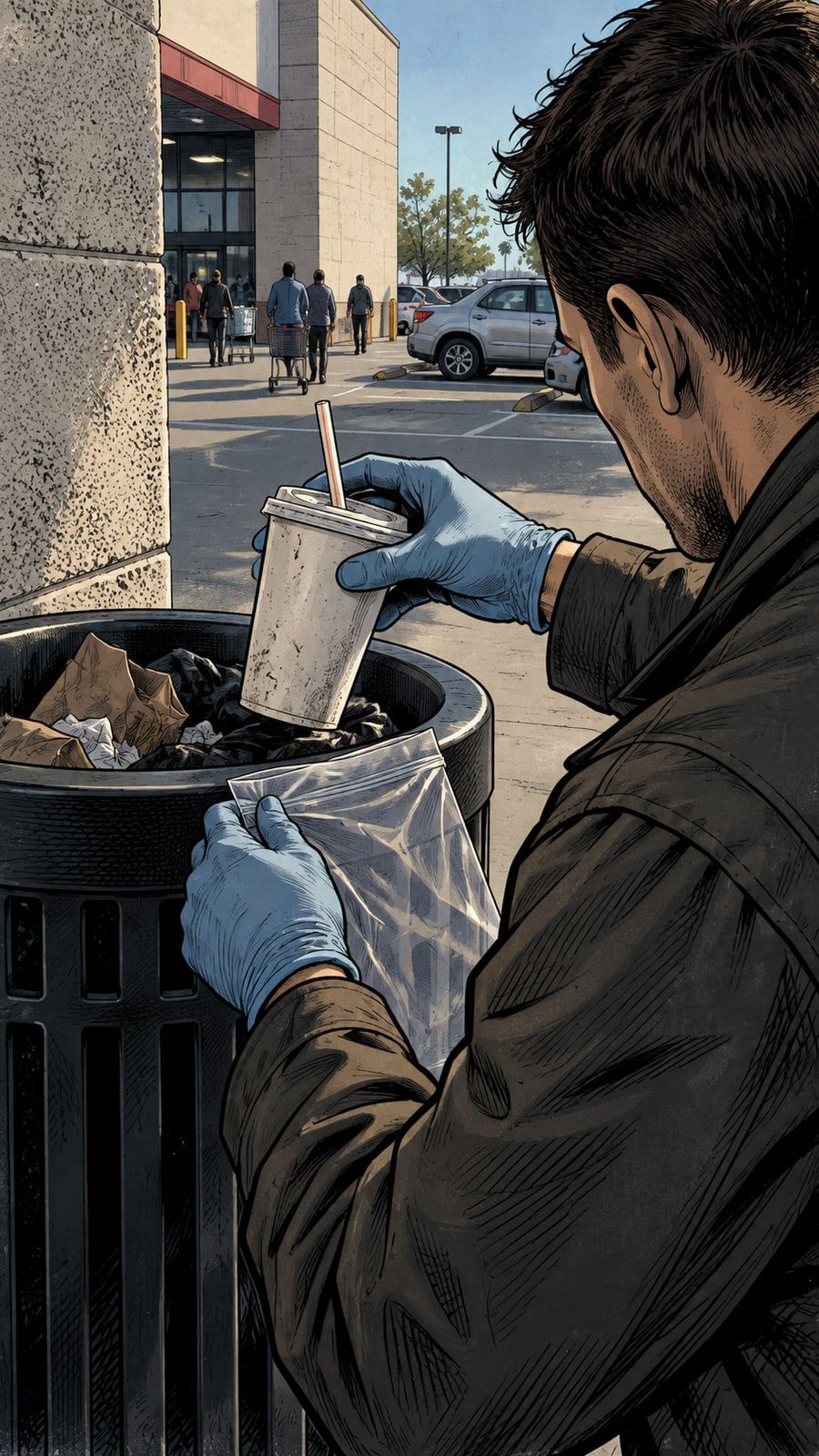
Lazarus is followed and a cup and straw she throws away are recovered. The DNA on them matches the bite profile, and a direct sample later confirms it.
June 5, 2009
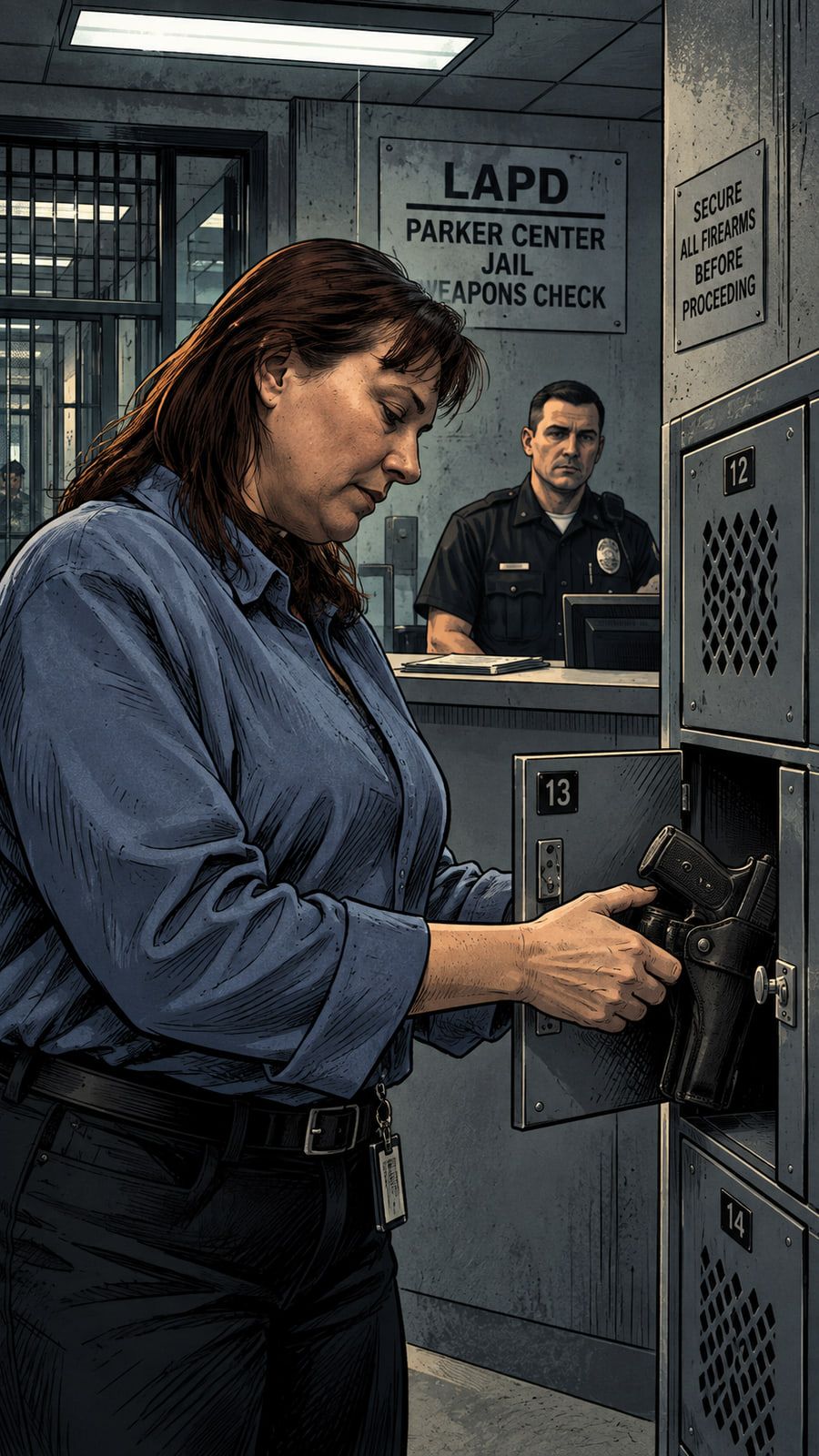
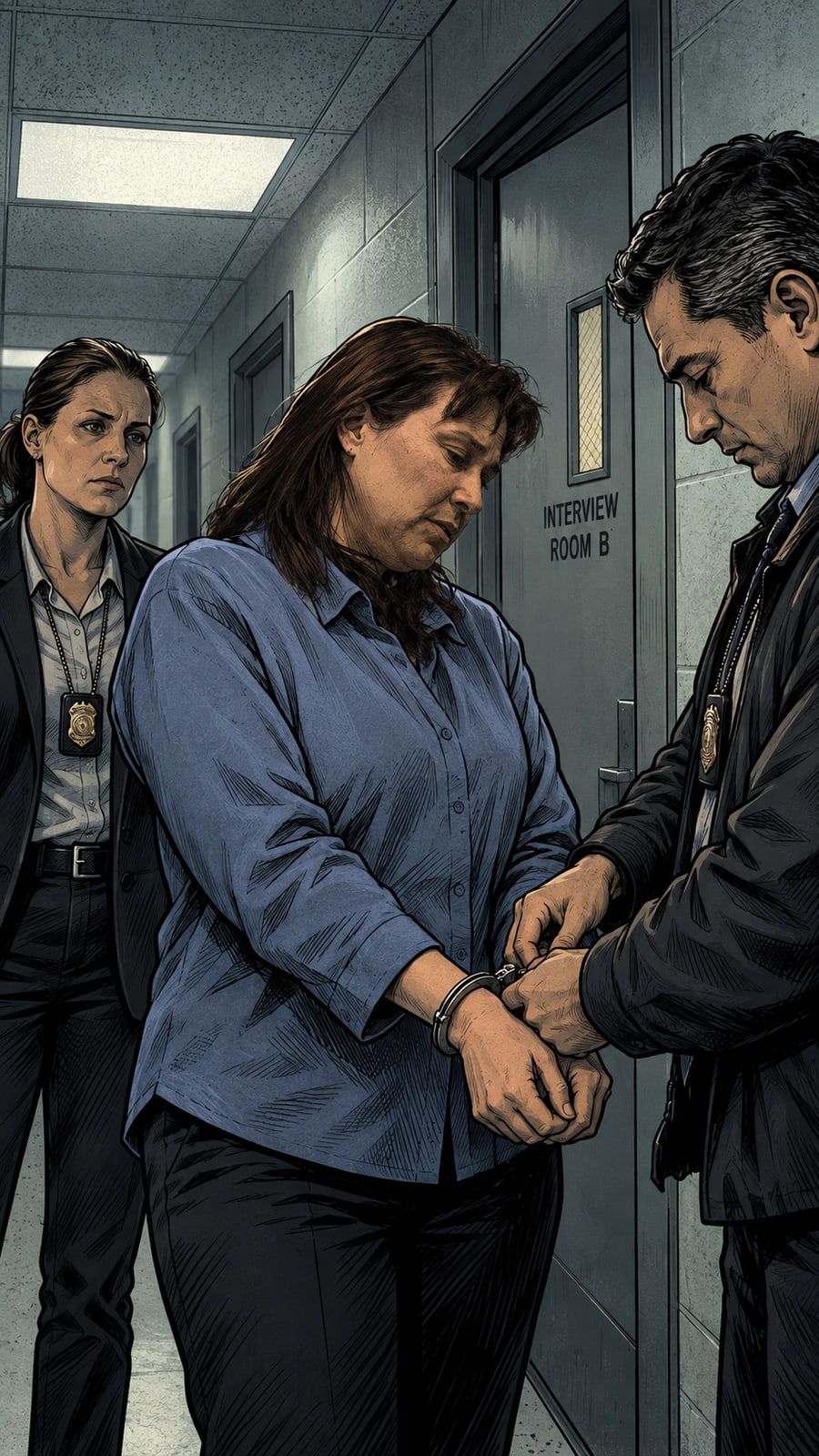
Colleagues ask Lazarus to help interview a suspect held in the jail, where she has to surrender her weapon before entering. Once she is seated, detectives begin asking about Sherri Rasmussen. She ends the interview and walks out, and is arrested in the corridor.
March 2012
Lazarus is convicted of first-degree murder. She is sentenced to 25 years to life plus two years for personal use of a firearm.
2024
After maintaining her innocence through trial and appeal, Lazarus admits the killing in parole proceedings. A recommendation for parole is reversed and she remains in custody pending further hearings.

The full story
The evening of February 24, 1986
Sherri Rasmussen was 29 years old, the director of critical care nursing at a Los Angeles hospital, and three months into her marriage to John Ruetten. That Monday she stayed home unwell. Ruetten’s calls during the day went unanswered.
He came home that evening to an open garage and a missing car, and found her on the living-room floor.
She had fought. There were broken pieces of her fingernails near the front door, and marks on her wrists consistent with someone trying to bind them. She had been beaten and shot three times in the chest. Beside her lay a quilt with bullet holes through it; investigators concluded the killer had wrapped it around the gun to muffle the sound.
There was no forced entry, and almost nothing was gone.
The theory that held for twenty-three years
Detectives read the scene as a burglary interrupted. Sherri’s family did not. Her father said he told investigators to look at a woman from Ruetten’s past, an officer in the Los Angeles Police Department, who the family said had confronted Sherri at her hospital and, about a month before the murder, inside the couple’s own home.
The hospital confrontation is part of the trial record. The account of the visit to the house comes from the family. No court has found that police deliberately covered anything up, and reporting published in 2025 found no evidence establishing that they did. What is not in dispute is that the case went nowhere for two decades.
The swab
During the attack, the killer had bitten Sherri’s arm. In 1986 a swab was taken from the bite, and then it was simply kept, in a freezer at the coroner’s office, through every year the case sat unsolved.
The case was reopened in December 2004. The swab was tested in 2005. It produced a major DNA profile belonging to a woman other than Sherri, and that profile matched nothing in any database. The killer had never been arrested for anything.
In 2009 detectives went back to the people around the couple and narrowed a list of five women to one. Stephanie Lazarus was by then a detective in the LAPD’s art-theft unit. She had owned a two-inch .38 revolver compatible with the ammunition and barrel-length evidence from the scene, and had reported it stolen thirteen days after the murder. The gun has never been found, and it was never conclusively identified as the weapon.
Detectives followed her and recovered a cup and a straw she threw away. The DNA on them matched the bite.
The interview
On June 5, 2009, colleagues asked Lazarus to help question a suspect being held in the jail. Officers surrender their weapons before going in. Once she was seated and unarmed, the detectives started asking about Sherri Rasmussen.
She ended the interview and walked out. She was arrested in the corridor.
In 2012 she was convicted of first-degree murder and sentenced to 25 years to life, plus two years for personal use of a firearm. John Ruetten testified at the trial. He said the possibility had never crossed his mind, and that years after finding his wife dead he had resumed a relationship with the woman who killed her.
Lazarus maintained her innocence through the trial and her appeals. She admitted the killing years later, in parole proceedings. In 2024 a recommendation for her release was reversed and she remained in custody.
What the video couldn't include
The gun that was reported stolen
Lazarus owned a two-inch Smith and Wesson .38 revolver, a weapon compatible with the ammunition and barrel-length evidence from the scene. She reported it stolen thirteen days after the murder. It was never recovered, and it was never conclusively identified as the murder weapon.
What was not taken
The scene carried the signals of a burglary, but there was no forced entry and very little was missing. The struggle had been prolonged and personal, and the killer had been bitten close enough to bite back.
The father who kept asking
Sherri's father said he raised the LAPD officer with detectives early. The original investigator disputed the timing and the substance of those conversations. Reporting published in 2025 found no evidence establishing a deliberate cover-up, and none has been proven.
The husband's testimony
John Ruetten testified at the trial. He said it had never occurred to him that Stephanie Lazarus could have killed his wife, and that in the years after finding Sherri dead he had resumed a relationship with her.
Twenty-three years in the building
Between the murder and the arrest, Lazarus spent her career in the Los Angeles Police Department, working her way to detective. The swab that ended it had been sitting in the coroner's freezer the whole time.
The video and the record
The episode tells this case in about 2 minutes with illustrated recreations. Here is how its key moments line up with what is documented.
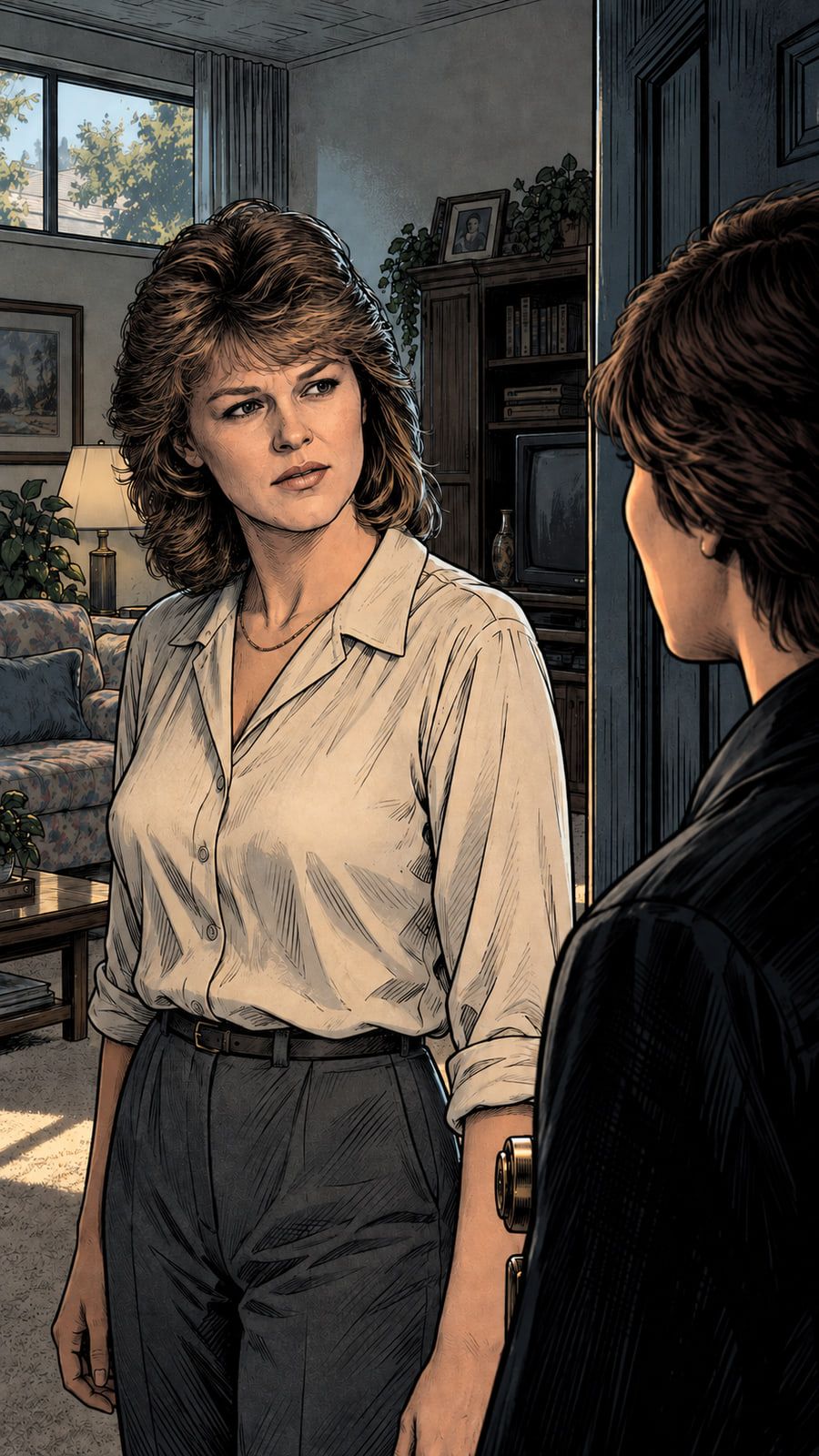
The woman standing in the living room
Dramatized
The episode opens on the home encounter Sherri's family describes. It is their account, and the page says so; the confrontation established in the appellate record is the one at the hospital.
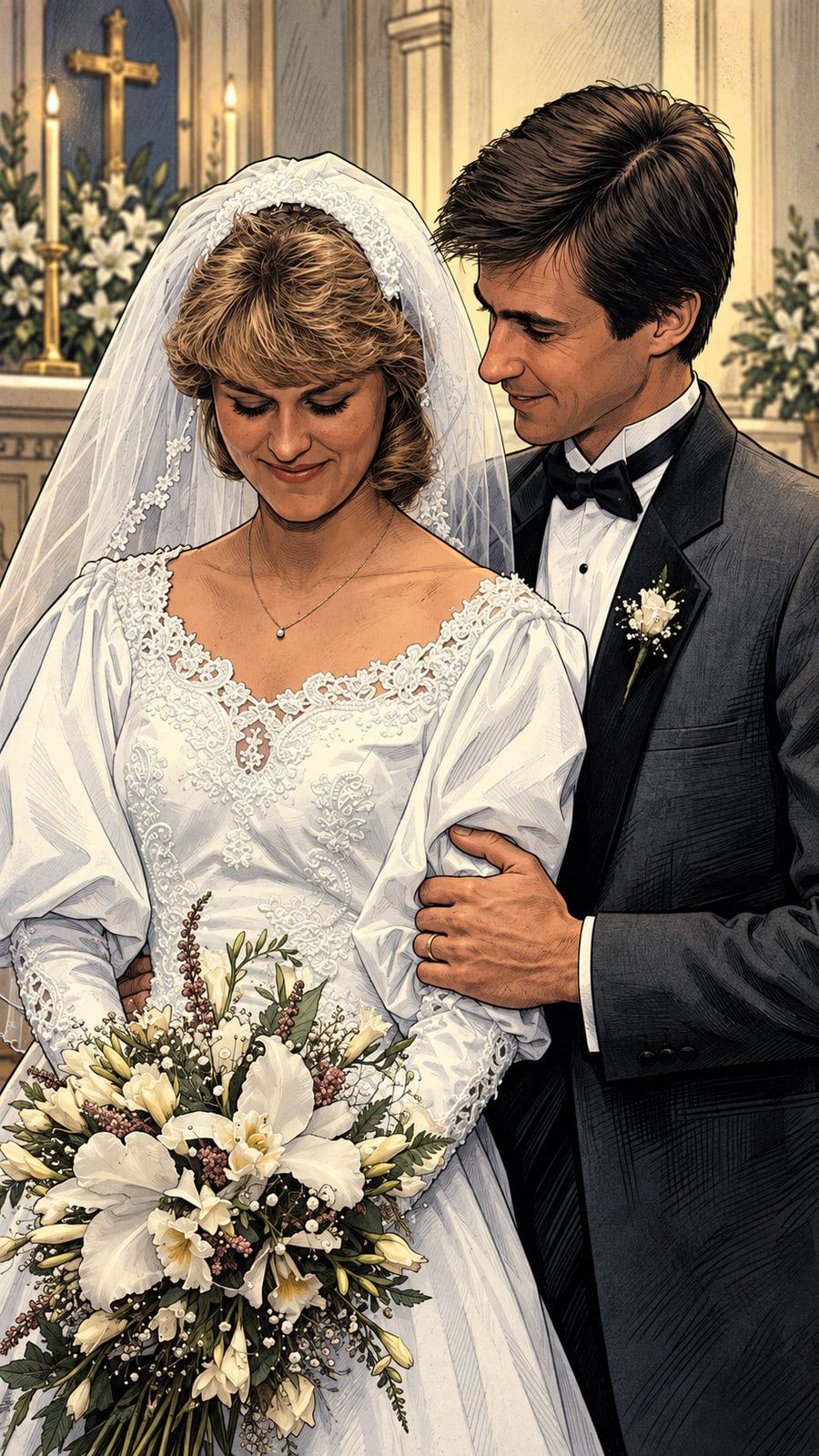
Three months into her marriage
Documented
Sherri Rasmussen and John Ruetten married in November 1985.
The quilt with bullet holes
Documented
Investigators concluded the quilt had been wrapped around the gun to muffle the shots.
She went back to work the next day
Compressed
Used to convey that the killer remained a serving officer. The record establishes her continued service, not her movements on any particular morning.
The cup and the straw
Documented
Detectives recovered a discarded cup and straw and matched the DNA to the bite profile.
The jail interview and the surrendered gun
Documented
Described in the appellate opinion and in the recorded interrogation.
The house, the hospital, the corridor, the arrest
Reconstruction
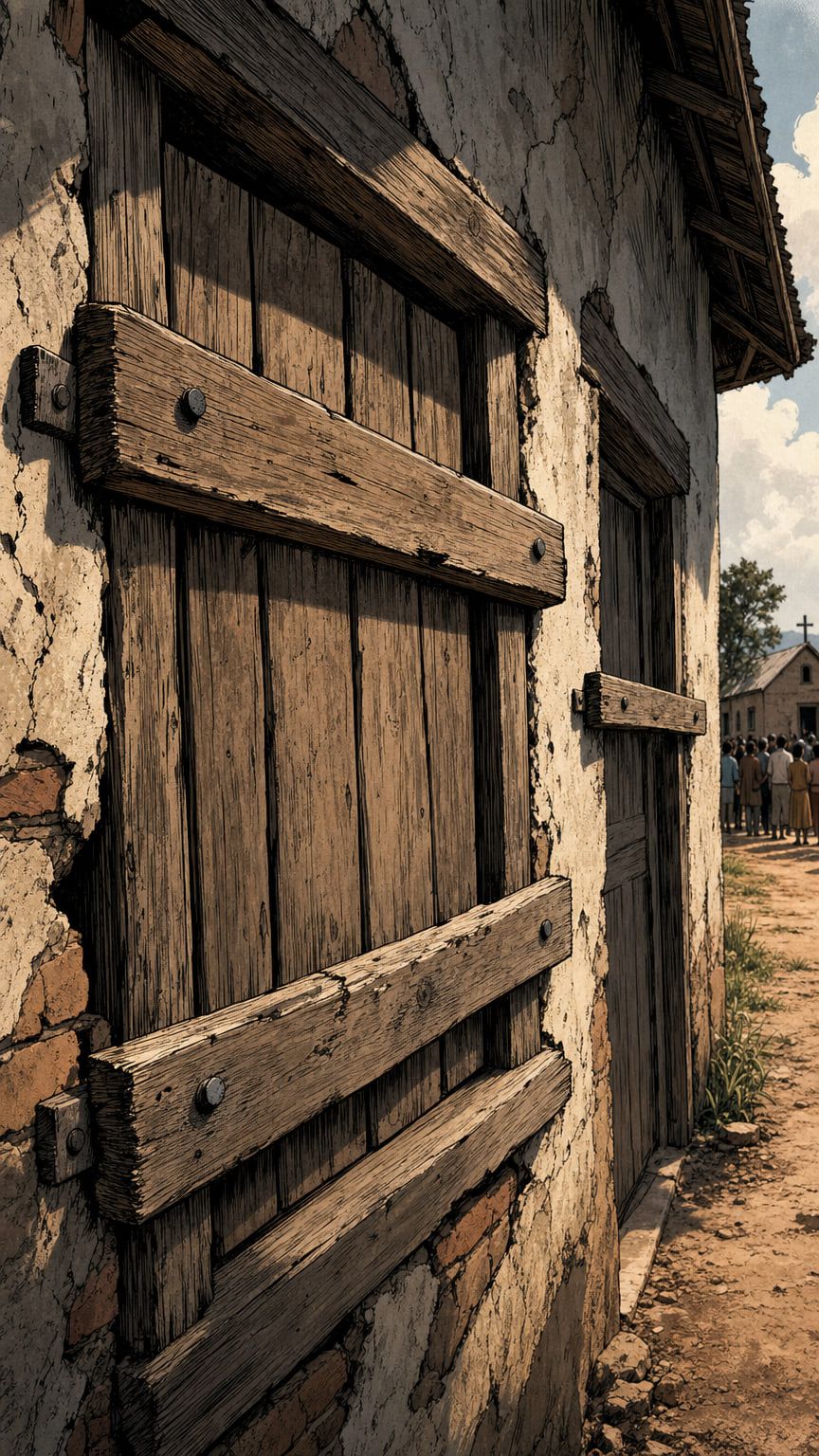
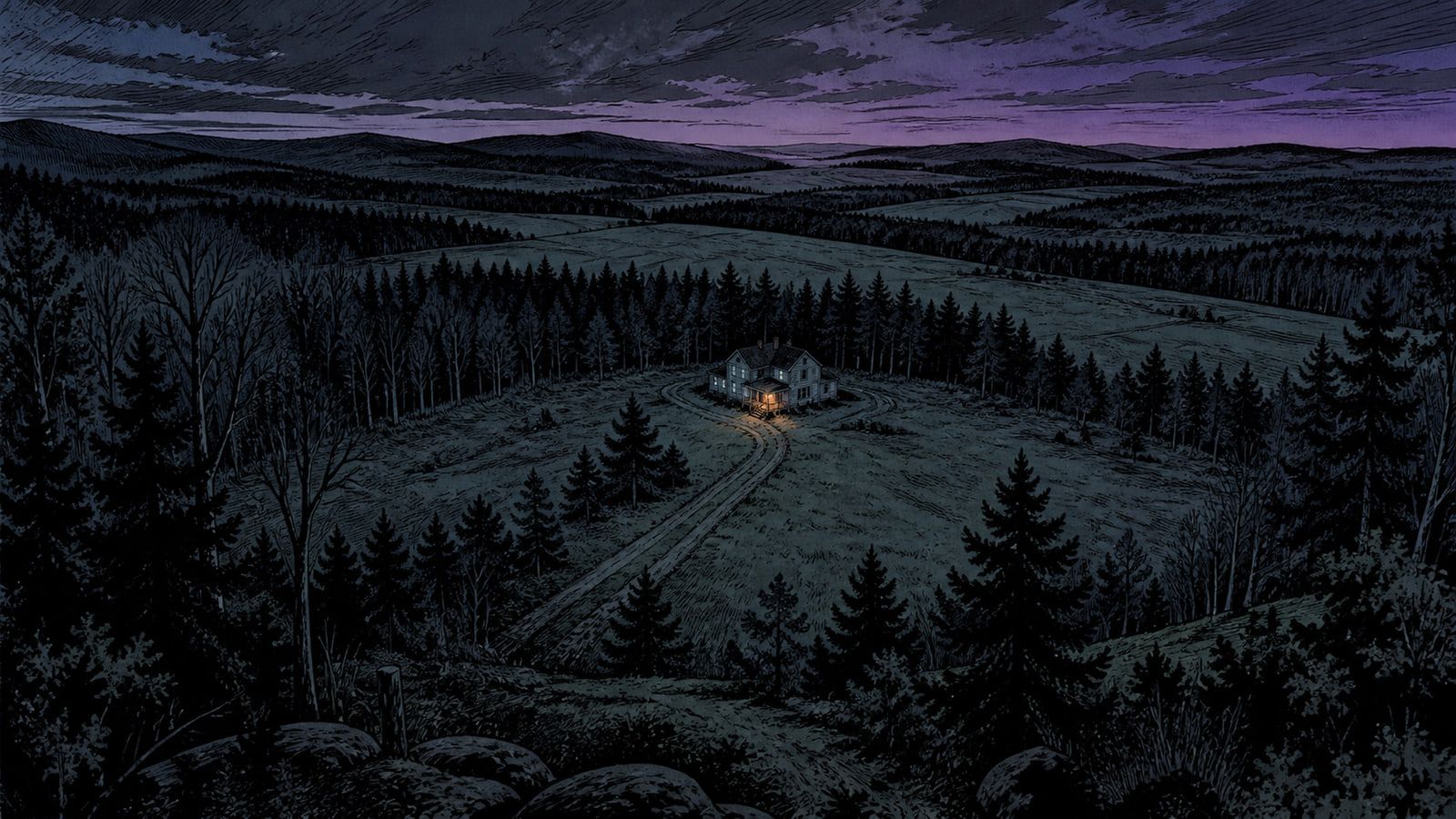
All visuals are AI-generated illustrations. No crime-scene photographs, evidence photographs or real footage are used, and the murder itself is not depicted.
What the four marks mean
- Documented
- Shown as it is recorded in court filings, police statements, or consistent reporting.
- Reconstruction
- A reasonable visual recreation of a documented event. The event happened; the image is illustrative.
- Compressed
- Real events shortened, merged, or reordered to fit the runtime.
- Dramatized
- A storytelling choice (framing, wording, emphasis) that the record does not establish.
Sources
- [1]California Court of Appeal, Second Appellate DistrictPeople v. Lazarus, No. B241172, opinion of the Court of AppealThe principal factual spine for this page: crime-scene evidence, the DNA chronology, the firearm evidence and the trial record. Full text archived in the production research package.
- [2]The Atlantic“The Lazarus File”Long-form account of the original investigation, the 2009 reopening and the interrogation.
- [3]Los Angeles Times“It took LAPD 23 years to identify one of their own as the culprit in this fatal love triangle”
- [4]ABC News“Former LAPD detective who murdered her ex-lover's wife, hid crime for decades remains behind bars”
- [5]NBC News“Ex-LAPD detective who hid murder for decades won't be paroled, reversing earlier decision”
VerifiedKey facts in this file were checked against multiple consistent reports and first-person or official accounts. Last reviewed September 22, 2026. How we check cases