The church at Kanungu and the graves nobody had found
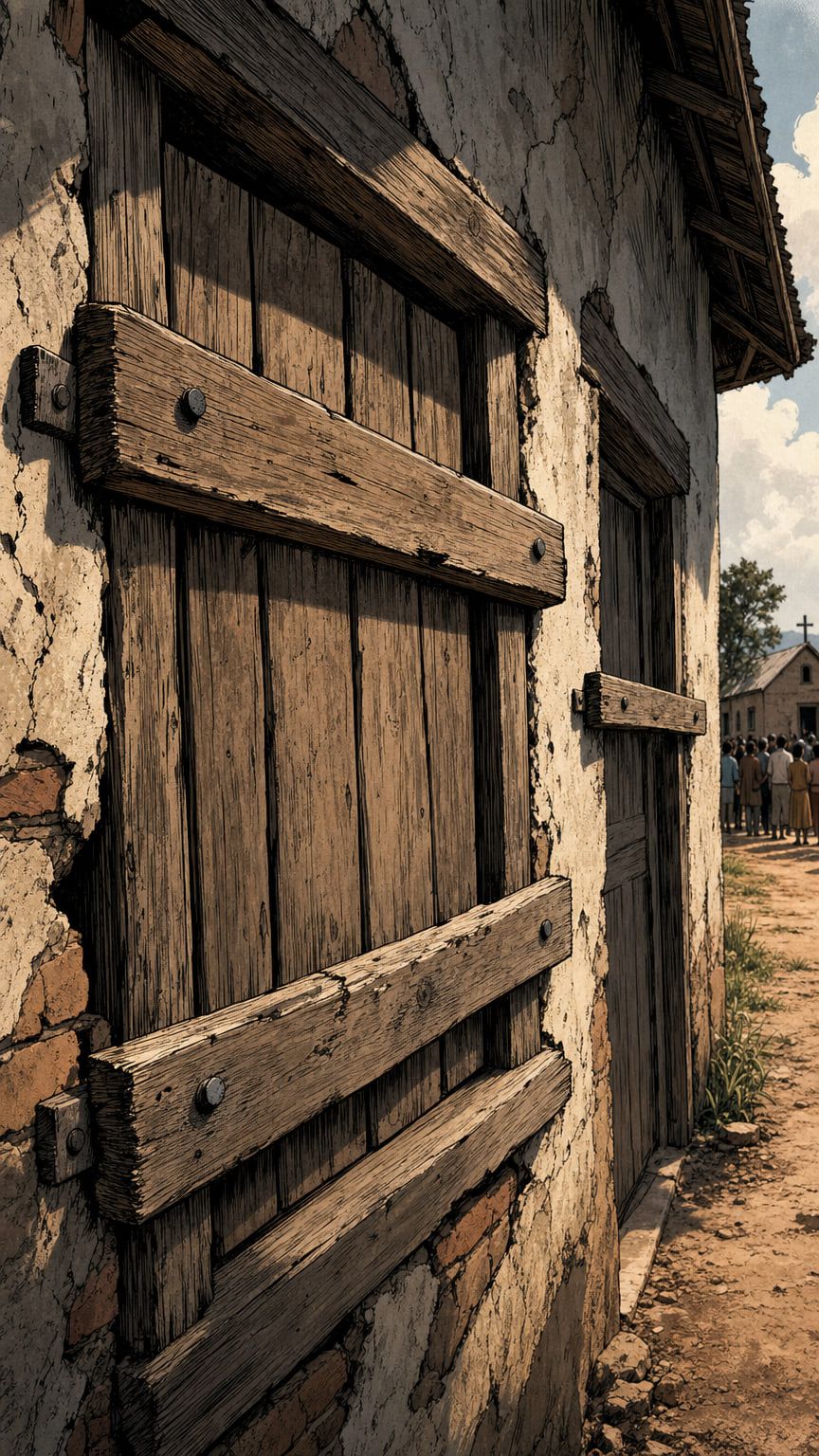
They were told the world would end at the millennium. When it did not, a new date was set, and the doors and windows of the church were nailed shut from the outside.
- When
- 17 March 2000
- Where
- Kanungu district, south-western Uganda
- Status
- Unsolved
Content note mass death, fire, child victims, religious coercion. No graphic images.
In brief
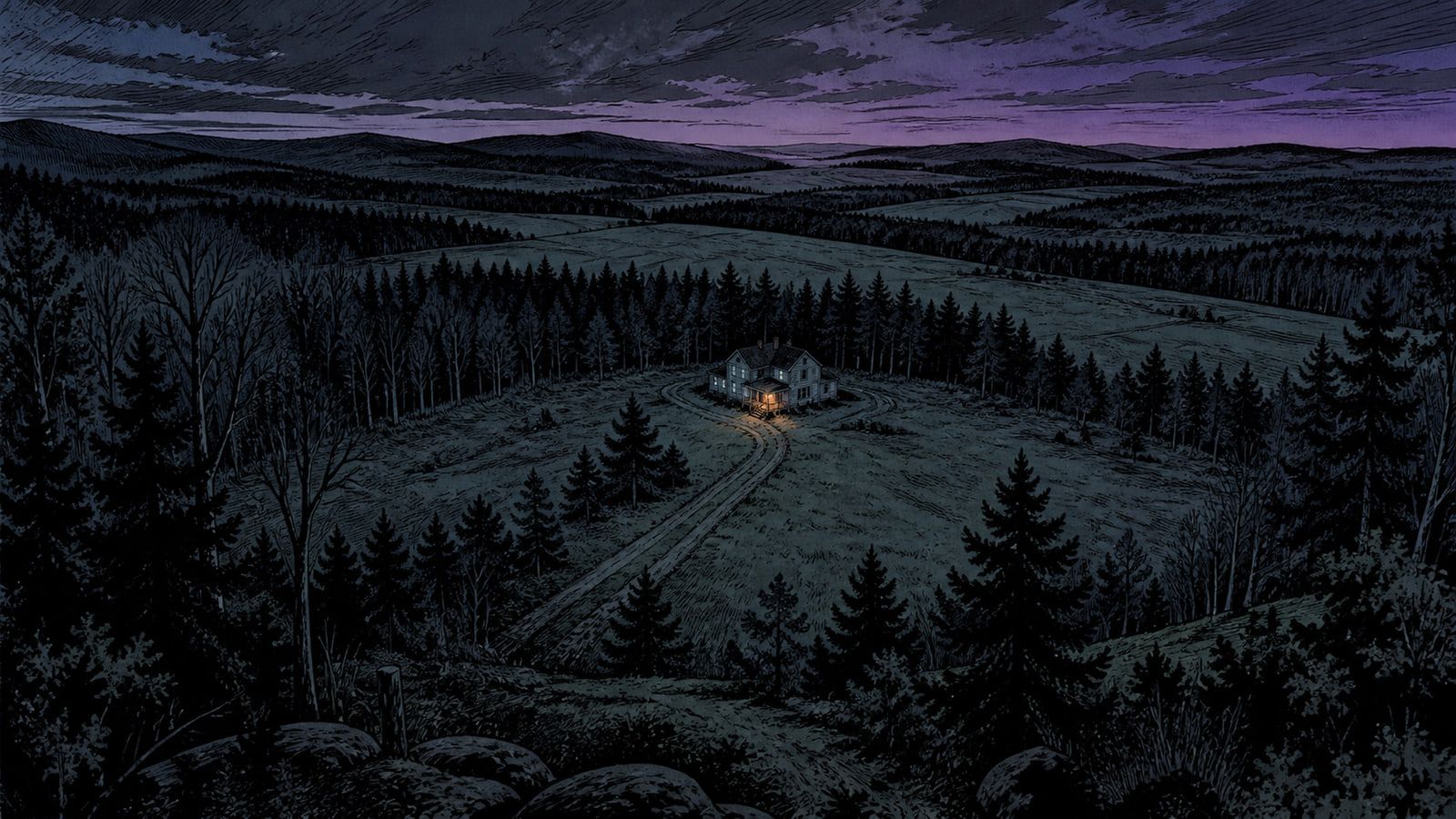
The Movement for the Restoration of the Ten Commandments of God was founded in south-western Uganda in the late 1980s by Credonia Mwerinde, a former bartender who said she had seen the Virgin Mary, and Joseph Kibwetere, a former government employee who said the same. Its members sold what they owned, handed over the proceeds, and moved onto the Movement's land. They lived largely in silence, communicating by signs to avoid sin, and sent written questions to Mwerinde, who wrote back with answers. The world was to end at the turn of the millennium. When 31 December 1999 passed and nothing happened, followers began asking for their money back. A new date was set. On the morning of Friday 17 March 2000, believers gathered at the church at Kanungu. The doors and windows had been nailed shut from the outside, and the building was doused and set alight. Days later, investigators searching other Movement properties began pulling bodies out of pits: people who had died before the fire, some of them long before. Ugandan police ultimately counted 924 dead across all the sites. Interpol issued arrest notices for six leaders in April 2000. Nobody has ever been prosecuted, and the leaders have never been found.
Turning pointFor four days it was reported as a mass suicide. Then investigators opened the ground at the Movement's other properties and found people who had died weeks, and in some accounts years, before the church ever burned.
- The movement
- The Movement for the Restoration of the Ten Commandments of God
- Founders
- Credonia Mwerinde and Joseph Kibwetere, who said they had seen the Virgin Mary
- The fire
- 17 March 2000, at the church on the Movement's Kanungu compound
- Dead in the church
- At least 700, per the BBC; the remains were buried in a single mass grave
- Found afterwards
- Hundreds more in pits at other Movement properties, most of them poisoned
- Police total
- 924 across all sites
- Prosecutions
- None. The leaders have never been found
Watch the episode
Timeline
Late 1980s
Credonia Mwerinde, a former bartender, and Joseph Kibwetere, a former government employee and prominent Catholic layman, say they have received visions of the Virgin Mary and found the Movement for the Restoration of the Ten Commandments of God in south-western Uganda.
1989 to 1999
The Movement takes in whole families. Members sell their land and possessions and hand over the money, live communally, farm, and run schools. Several defrocked priests and nuns join the leadership, among them Dominic Kataribabo and Ursula Komuhangi.
1990s
Believers live mostly in silence, using signs to avoid the sin of careless speech. Questions for Mwerinde have to be submitted in writing, and she writes back. Members who break the rules are set penances such as reciting the rosary a thousand times.
1997
The Movement's registered membership with the Ugandan government approaches five thousand. Police, officials and neighbours are aware of the community, but little is done about it.
December 31, 1999
The millennium passes and the world does not end. Followers who have given up everything begin questioning the leadership and asking for their money back. A new date is set.
March 17, 2000Morning
Believers gather at the church on the Kanungu compound. The doors and windows have been nailed shut from the outside. The building is doused and set alight. At least 700 people die, and the remains are too badly burned for a reliable count.
March 17, 2000Later that day
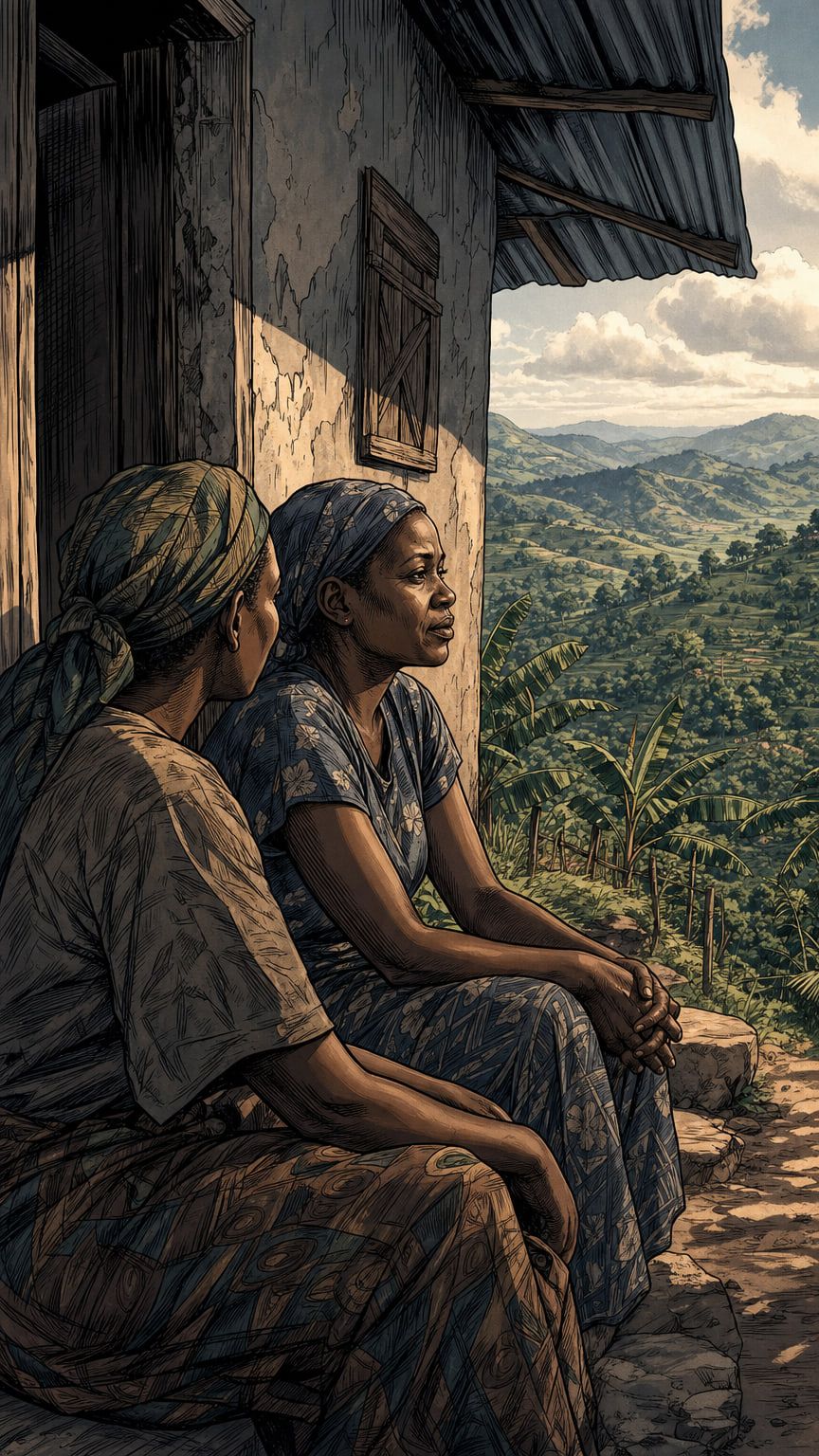
A neighbour on the hillside above the valley describes smoke, soot and the smell reaching the village, and dozens of bodies burned beyond recognition as the fire is still going.
March 2000
The deaths are first reported as a mass suicide. Investigators then search other Movement properties and begin recovering bodies from pits and latrines. Most had been poisoned; some had been stabbed.
March and April 2000
Bodies are recovered at Buhunage, at Dominic Kataribabo's property at Rugazi, at a farm belonging to another leader, and in pits at Kanungu itself. Police put the eventual total across all sites at 924.
April 2000
Interpol issues arrest notices for six leaders of the Movement. It is never established whether they died in the fire or escaped beforehand.
2014
A Ugandan police report indicates that Kibwetere may have fled the country. Others doubt he was well enough to travel. No further confirmed sighting of any leader has been reported.
March 2020
Twenty years on, the BBC reports that no one has been prosecuted, that the dead have never been officially commemorated, and that the 48-acre site is now a tea plantation whose owner has spoken about creating a memorial.
The full story
The promise
The Movement for the Restoration of the Ten Commandments of God grew out of two claimed visions. Credonia Mwerinde, a former bartender, and Joseph Kibwetere, a former government employee who had been a well-regarded figure in his Catholic community, each said the Virgin Mary had spoken to them in the 1980s. They registered their group as one that existed to obey the Ten Commandments and preach the word of Jesus Christ.
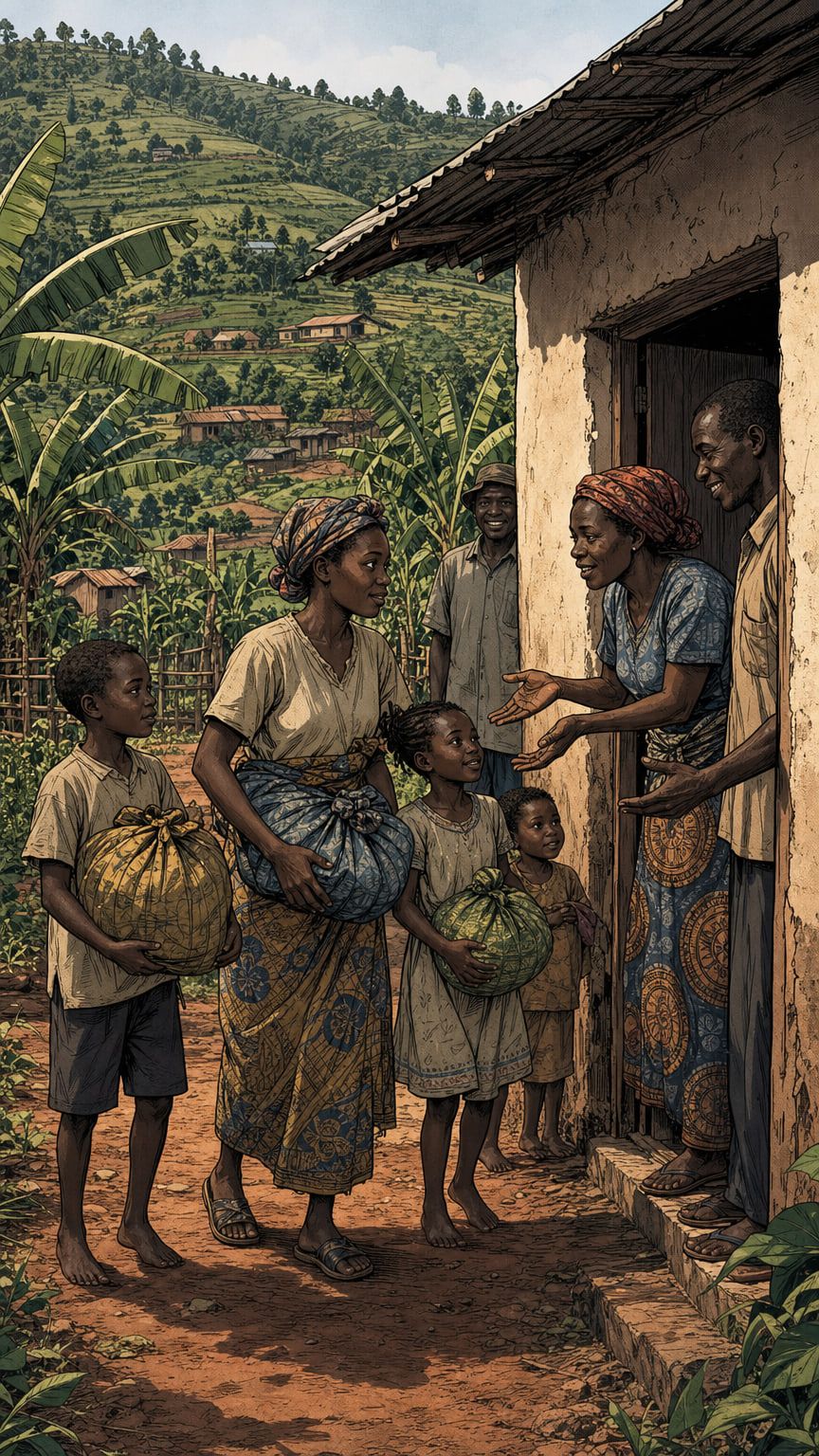
It grew quickly across south-western Uganda. Several defrocked priests and nuns joined its leadership. Families sold their land and possessions, handed over the proceeds, and moved onto the Movement’s property, where they farmed, built schools, and were provided for.
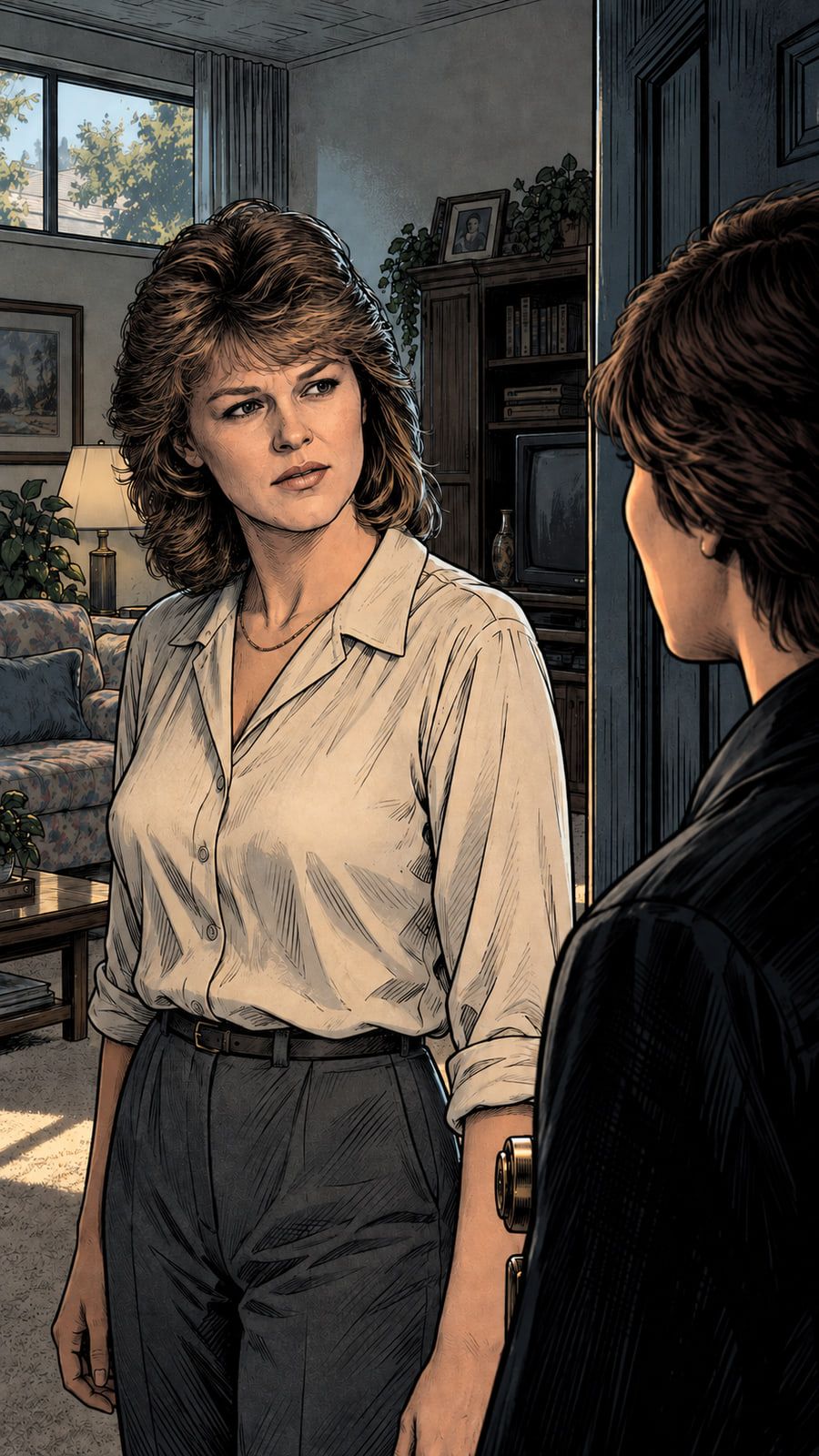
Judith Ariho was ten when she joined with her family. Her mother was a widow raising three children, one of them often ill, and the Movement offered prayer, help, and somewhere to belong.
The silence
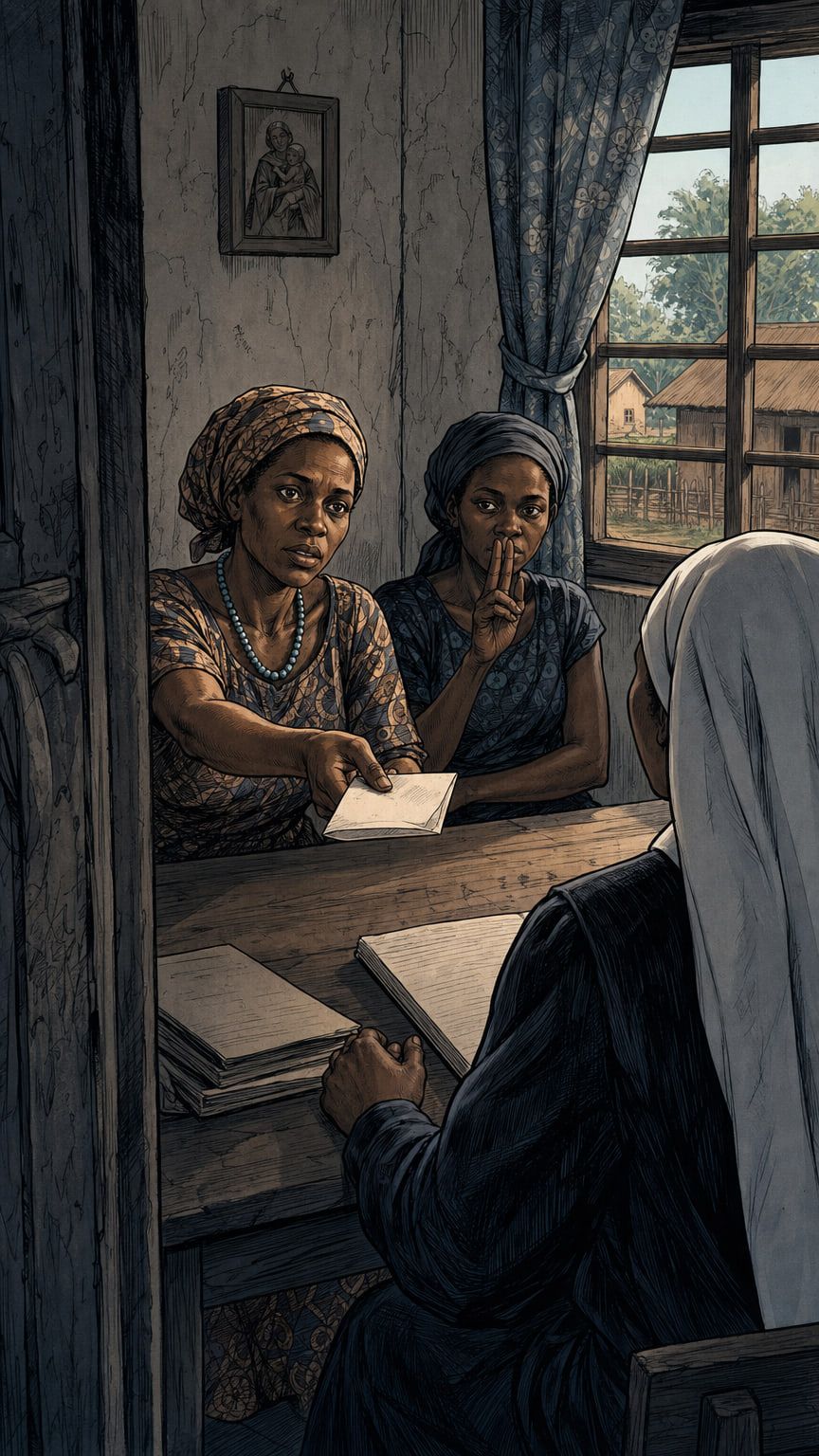
Life inside was organised around avoiding sin. Members lived mostly in silence and communicated with signs, because a careless word could require confession. Questions for Mwerinde had to be written down; she wrote back. Followers who broke the rules were set penances, such as reciting the rosary a thousand times, and would ask friends and family to help them finish.
Devotion involved climbing a steep hill through eucalyptus forest to a rock the faithful believed resembled the Virgin Mary.
The world was going to end at the turn of the millennium. That was the fixed point the whole structure rested on.
When nothing happened
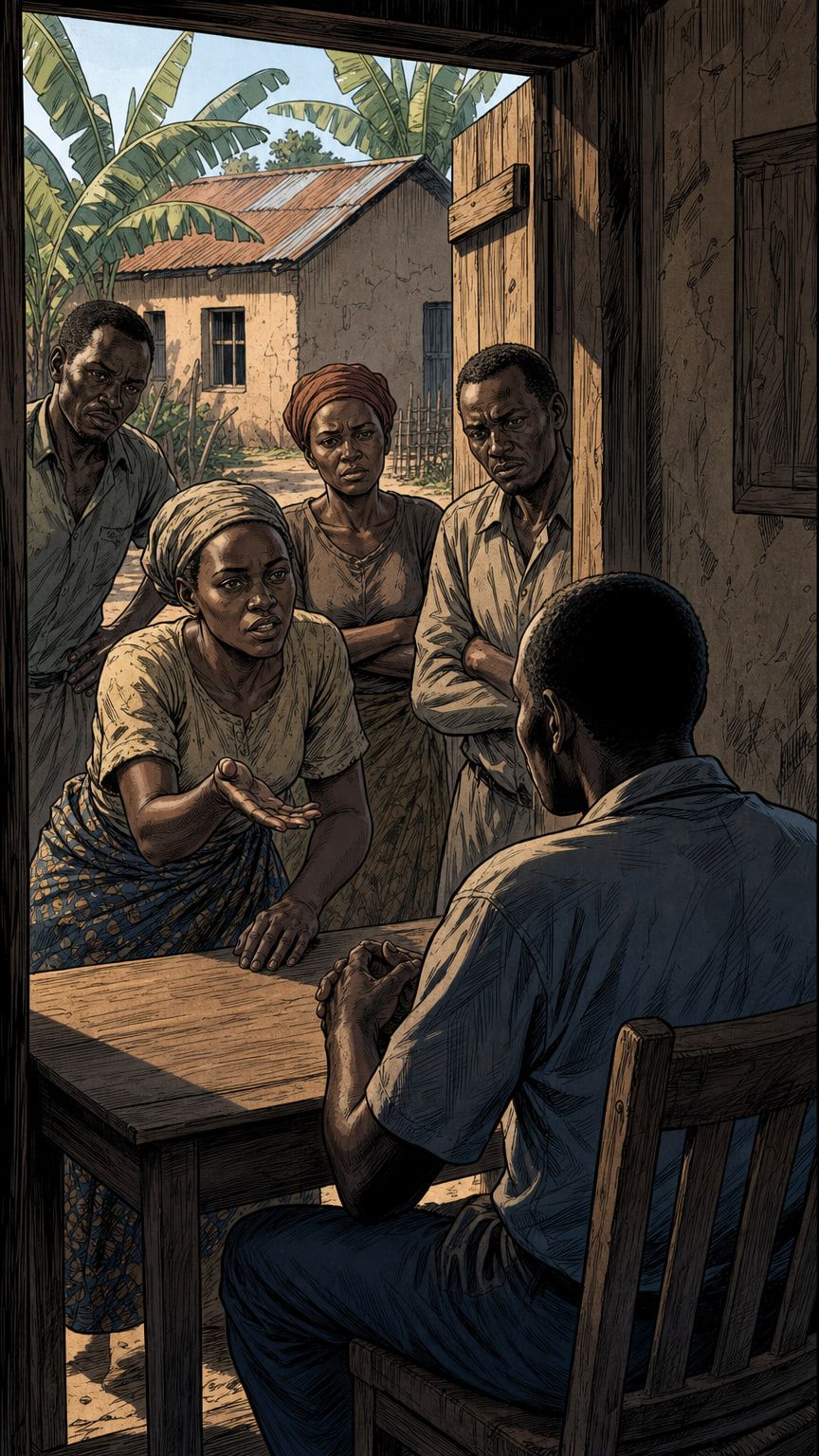
The millennium came and went. People who had given up everything they owned started asking questions, and asking for their money back.
A new date was announced: 17 March.
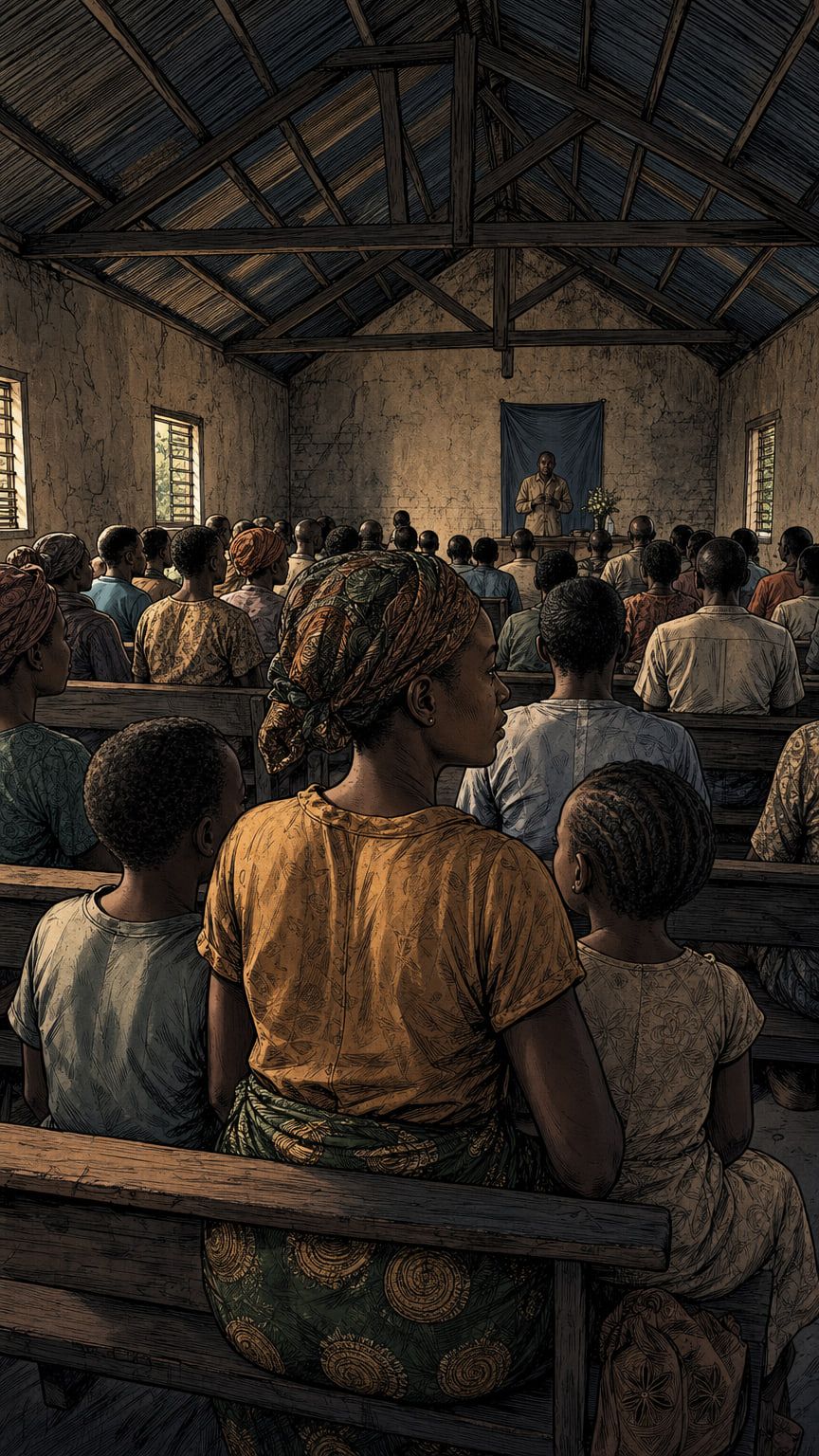
That Friday morning, believers gathered at the church at Kanungu. The doors and windows had been nailed shut from the outside. The building was doused and set alight.
At least seven hundred people died. On the hillside above, a neighbour remembers smoke and soot and a smell that reached into the village, and being unable to eat meat for months afterwards. The remains were too badly burned to count reliably, and were buried in a single mass grave at the edge of where the church had stood.
The ground
For a few days it was reported as a mass suicide.
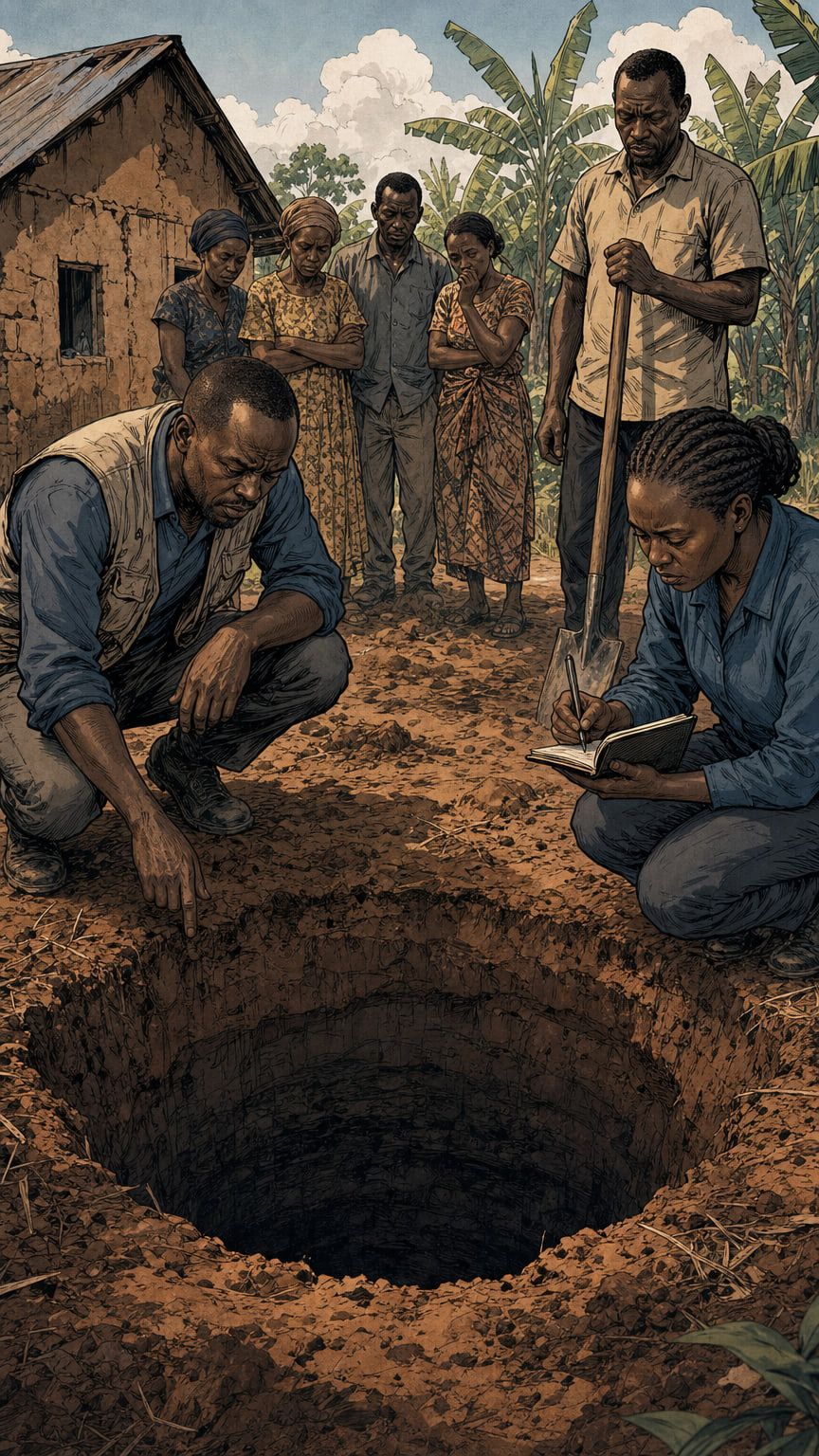
Then investigators went to the Movement’s other properties and opened the ground. There were bodies in pits and latrines at Kanungu, at Buhunage, at the property of the priest Dominic Kataribabo at Rugazi, and at a farm belonging to another leader. Most had been poisoned. Some had been stabbed. None of them had been in the church.
Ugandan police eventually put the total across every site at 924, and concluded that this was murder, not suicide. Accounts differ on how long it had been going on: police placed the pit deaths in the weeks before the fire, while the BBC’s investigation twenty years later concluded the bodies had been accumulating for years.
Nobody was ever charged
Interpol issued arrest notices for six leaders in April 2000. It has never been established whether any of them were inside the church. A Ugandan police report in 2014 suggested Kibwetere may have left the country; others doubted he was well enough to travel.
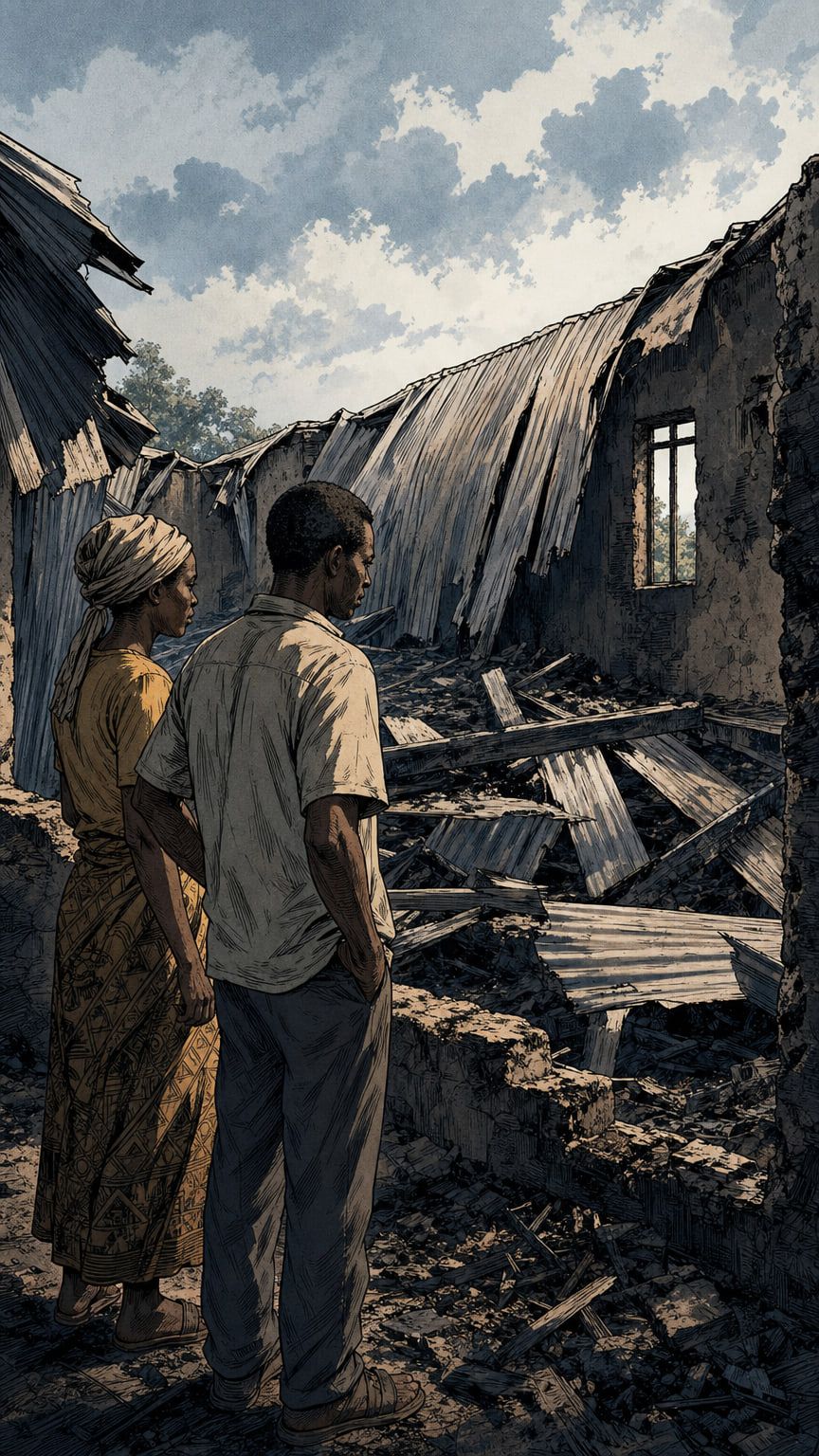
Twenty years on, the BBC found no prosecutions, no official memorial, and no answers for the families. The 48-acre site is now a tea plantation. The businessman who owns it has talked about setting part of it aside to remember the dead.
Judith Ariho, who lost her mother, two siblings and four other relatives, said that they pray for their people on their own, and bear the pain in silence.
What the video couldn't include
The survivor who was not there
Judith Ariho joined the Movement with her family at the age of ten, after her widowed mother struggled to raise three children. By 2000 she had married into a family outside the Movement and did not travel to Kanungu. Her mother, two siblings and four other relatives died in the church.
Whole families at once
Walking through her village, Ariho points to neighbouring homesteads: one lost a mother and her eleven children, another a mother and her eight children. The Movement took in families as units, which is why single households were emptied.
The killing had already been happening
In Kanungu there are wide, deep pits from which dozens of bodies were recovered days after the fire. The BBC's 2020 investigation concluded those bodies had accumulated over several years, not in the weeks before the massacre. Behind a ruined office building are two further pits described locally as torture chambers.
The rock that looked like the Virgin
Devotion involved pilgrimage up a steep hill through eucalyptus forest to a rock formation the faithful believed resembled the Virgin Mary. It is still there.
Why nobody intervened
The community was not sealed off. Police officers and local government officials knew what it was. A Makerere University academic told the BBC that movements like it grow wherever institutions fail to meet a need and someone arrives claiming to have the answer.
No memorial, no answers
The dead at Kanungu have never been officially remembered. Families who lost relatives have never been given an account of what happened or who was responsible. Ariho told the BBC that they pray for their people on their own and bear the pain in silence.
The video and the record
The episode tells this case in about 3 minutes with illustrated recreations. Here is how its key moments line up with what is documented.
Hundreds gathered in the church believing they would be saved
Documented
Followers were summoned to the church at Kanungu on the morning of 17 March 2000.
The doors and windows were nailed shut from the outside
Documented
Reported by the BBC and by contemporaneous coverage; it is the finding that made mass suicide untenable.
A man walking past carrying nails and a hammer
Dramatized
One secondary account describes a follower seen carrying nails and a hammer beforehand. No one has been shown to have sealed the building, and the episode does not identify anyone.
The years of prayer, silence and sign language compressed into one sequence
Compressed
Eleven years of communal life are shown as a short passage.
Police opening pit after pit
Compressed
The recoveries happened across several properties over weeks, not in a single search.
Accounts differ on how long the killings had been running
Documented
Ugandan police placed the pit deaths in the weeks before the fire; the BBC's 2020 reinvestigation concluded the bodies had accumulated over several years. The episode says the accounts differ rather than choosing one.
The congregation, the church, the fire, the graves
Reconstruction
All visuals are AI-generated illustrations. No archive photographs, news footage or images of the dead are used, and the fire itself is shown only from outside.
What the four marks mean
- Documented
- Shown as it is recorded in court filings, police statements, or consistent reporting.
- Reconstruction
- A reasonable visual recreation of a documented event. The event happened; the image is illustrative.
- Compressed
- Real events shortened, merged, or reordered to fit the runtime.
- Dramatized
- A storytelling choice (framing, wording, emphasis) that the record does not establish.
Sources
- [1]BBC News“Uganda's Kanungu cult massacre that killed 700 followers”Twentieth-anniversary investigation from Kanungu by Patience Atuhaire, including survivor and neighbour interviews. The primary source for this page.
- [2]The Guardian“Cult papers reveal new massacre link”Contemporaneous reporting on documents recovered from the Movement.
- [3]Wikipedia“Movement for the Restoration of the Ten Commandments of God”Site-by-site recovery counts and the final Ugandan police figure of 924, citing contemporaneous reporting.
- [4]New Vision“CULTS: How Kibwetere led over 1000 people to their death”Ugandan national coverage, including archive photographs of the exhumations.
- [5]CESNURTragedy in Uganda: the Restoration of the Ten Commandments of God, a Post-Catholic MovementAcademic dossier on the Movement's origins, doctrine and the press record from 2000.
SourcedFacts in this file come from the reporting listed above. Some details are still waiting on primary records. Last reviewed September 22, 2026. How we check cases