Elisa Lam and the water tank on the Cecil Hotel roof
A student from Vancouver stepped out of an elevator at a downtown Los Angeles hotel and was never seen again. Nineteen days later, a maintenance worker climbed to the roof.
- When
- January 31 to February 19, 2013
- Where
- Cecil Hotel, downtown Los Angeles, California
- Status
- Ruled accidental
Content note death, mental illness. No graphic images.

In brief
Elisa Lam, a 21-year-old university student from Vancouver, was last seen at the Cecil Hotel in downtown Los Angeles on January 31, 2013. After guests complained about weak water pressure and water that tasted strange, a maintenance worker found her body on February 19 inside one of four water tanks on the hotel roof. The coroner ruled her death an accidental drowning, with bipolar disorder listed as a significant contributing condition.
Turning pointGuest complaints about the water sent a maintenance worker to the roof, where he looked through the open hatch of one tank.
- Who
- Elisa Lam, 21, a University of British Columbia student from Vancouver
- Where
- Cecil Hotel, 640 S. Main Street, Los Angeles
- Last seen
- January 31, 2013
- Found
- February 19, 2013, inside a rooftop water tank
- Ruling
- Accidental drowning; bipolar disorder a significant contributing condition
- Afterward
- Her parents' wrongful-death lawsuit was dismissed in 2015
Timeline
January 26, 2013
Elisa arrives in Los Angeles. She has been traveling alone through California by train and bus, with a stop in San Diego.
January 28, 2013
She checks into the Cecil Hotel and is assigned a shared room on the fifth floor. After her roommates complain, the hotel moves her to a private room two days later.
January 31, 2013
She is due to check out and travel on to Santa Cruz. Hotel staff see her alone. The daily calls and messages to her parents stop.
January 31, 2013Night
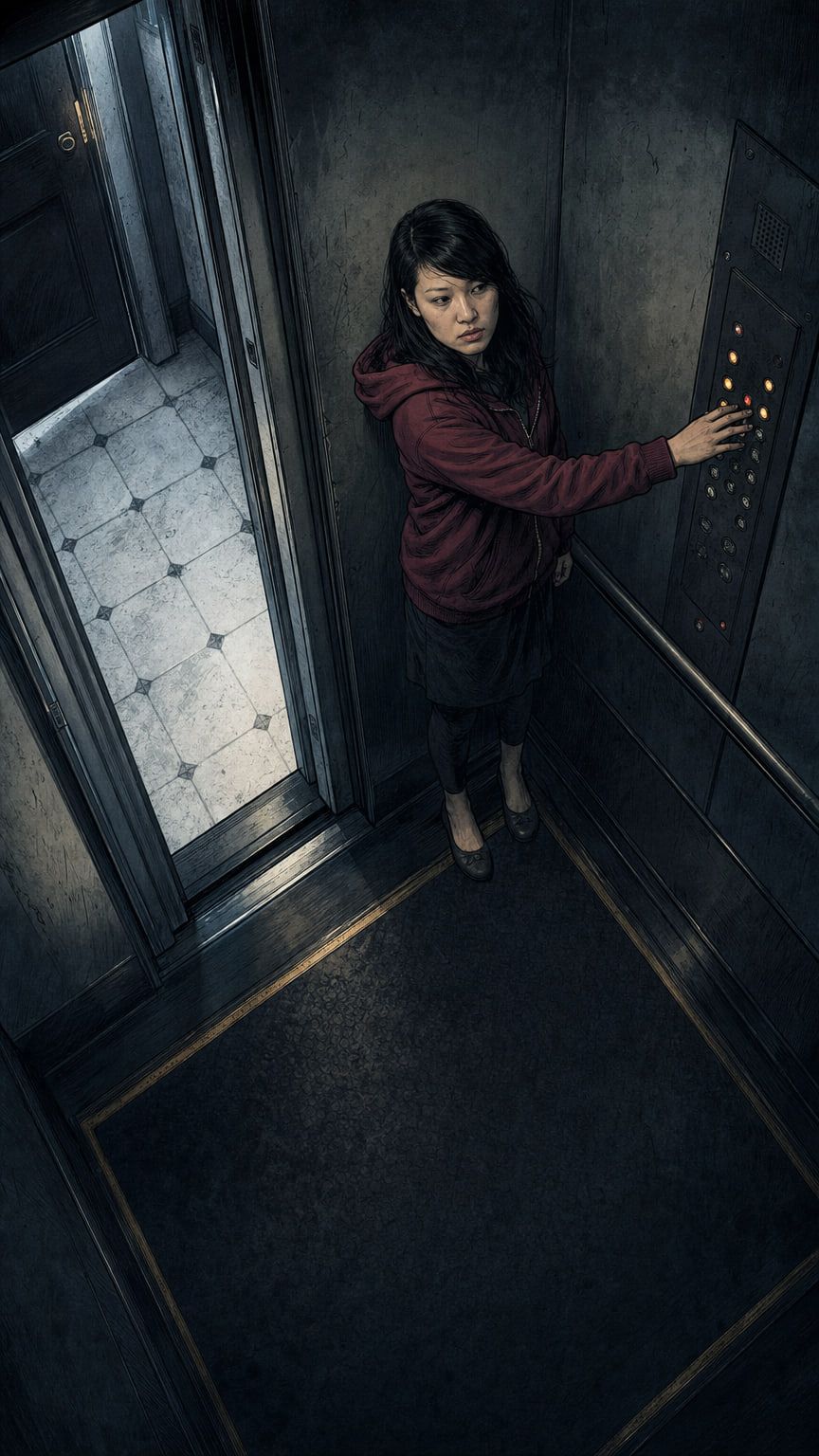
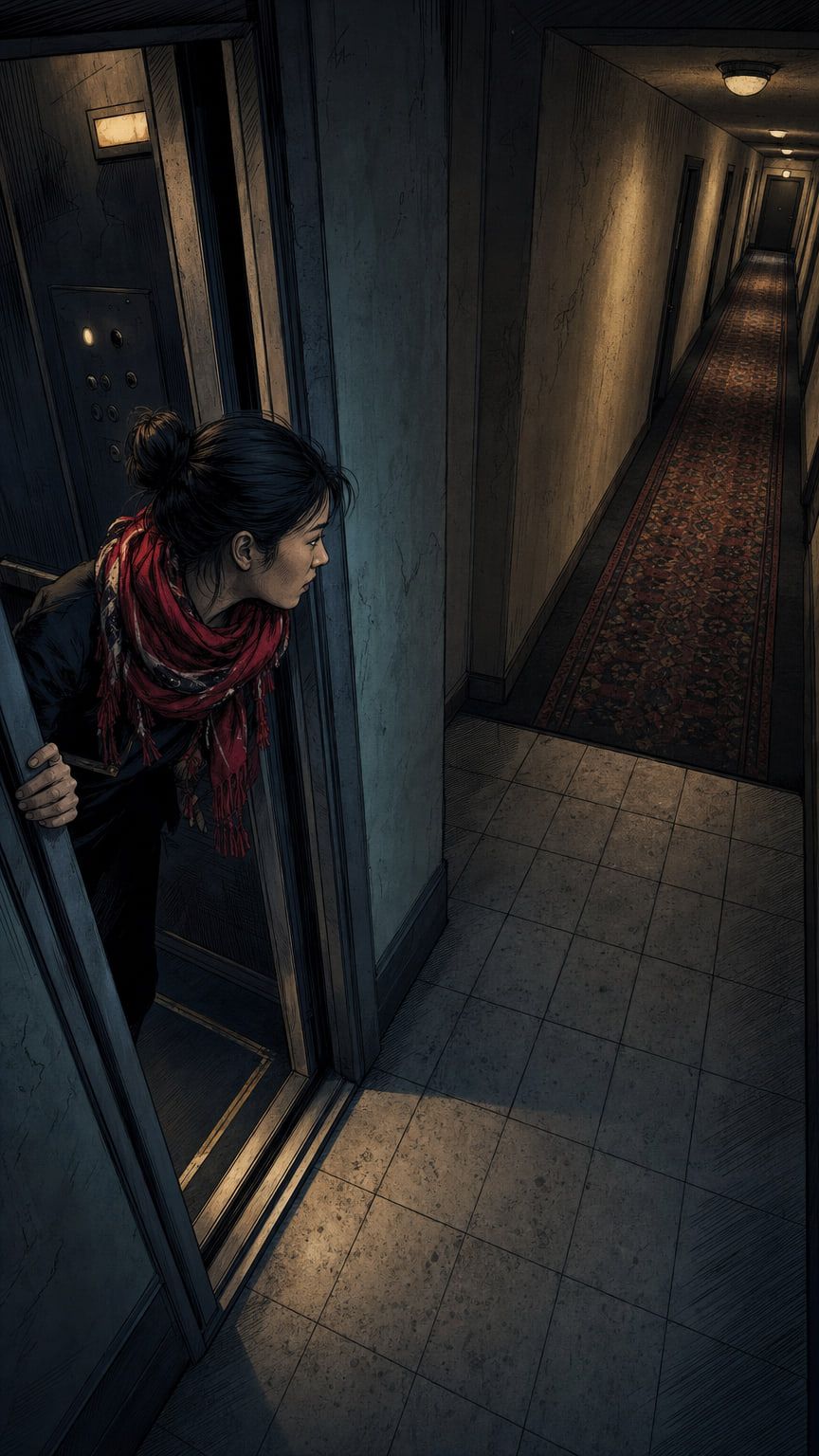
An elevator security camera records her alone, pressing floor buttons, stepping out, looking down the hallway and moving her hands. She walks out of frame. It is the last known footage of her.
Early February 2013
Police search her room and bring dogs through the building, including the roof. The dogs find nothing. The rooftop water tanks are not searched.
February 13, 2013
The LAPD releases the elevator footage to the public. It spreads worldwide within days.
February 19, 2013
Following complaints about low pressure and strange-tasting water, a maintenance worker checks the roof tanks and finds her body. The tank has to be drained and cut open to recover her.
June 2013
The coroner's report is released: accidental drowning, with bipolar disorder as a significant contributing condition. Toxicology finds no recreational drugs.
2015
A wrongful-death lawsuit filed by her parents is dismissed.
2021
Netflix releases the docuseries Crime Scene: The Vanishing at the Cecil Hotel, and the case draws a new wave of attention.


The full story
What happened
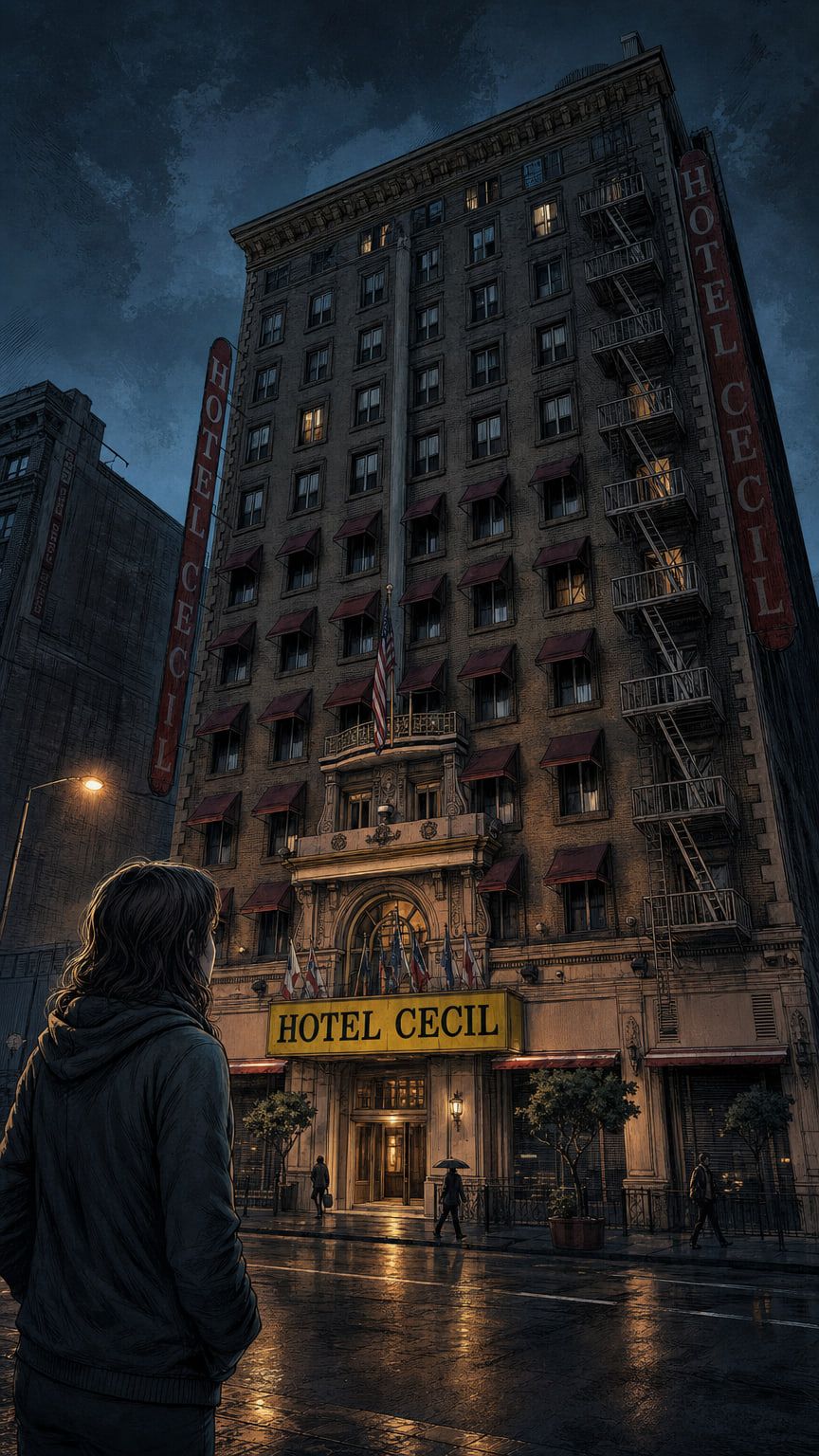
Elisa Lam came to Los Angeles alone in late January 2013. She was 21, a student at the University of British Columbia, and she had been working her way through California by train and bus. On January 28 she checked into the Cecil Hotel on South Main Street, an old budget hotel on the edge of Skid Row.
She talked to her parents every day. On January 31, the day she was supposed to check out and head north to Santa Cruz, that contact stopped. Her parents called the Los Angeles Police Department and flew down from Vancouver.
That night an elevator camera inside the hotel recorded roughly two and a half minutes of Elisa alone. She presses several buttons. She steps into the hallway, looks both ways, steps back in, then out again, and moves her hands in slow, deliberate gestures. Then she walks out of frame. The doors stay open for a while, close, and the elevator carries on as normal. No one else appears.
The search
Police searched her room and brought dogs through the building, onto the roof as well. The dogs found no scent. Officers did not search every room, because without probable cause they could not.
On February 13 the LAPD released the elevator footage, hoping someone would recognize something. Instead it became one of the most watched and most argued-over clips on the internet, picked apart frame by frame for signs of a pursuer, drugs, or something stranger.
Meanwhile guests at the Cecil were complaining about the water. The pressure was weak. It tasted wrong. Some said it came out of the tap dark before it cleared.
On the morning of February 19, a maintenance worker climbed up to check the rooftop system: four tanks of about 1,000 gallons each, raised on legs around eight feet high, with no fixed way up. The hatch on one of them was open. Elisa was inside. Her clothes were in the water with her, along with her watch and room key. Her phone was never found.
The ruling, and what is still unexplained
The Los Angeles County coroner ruled her death an accidental drowning and listed bipolar disorder as a significant contributing condition. The examination found no sign of trauma or sexual assault. Toxicology found low levels of her prescribed medication, no recreational drugs, and very little alcohol. Investigators believed she may have been in the middle of a severe episode.
That explanation has never fully quieted the case, because the logistics are hard to picture. The roof doors were locked and alarmed, and no alarm was reported. The tanks were tall and awkward to reach, their lids heavy. Dogs had already been on that roof. A fire escape did connect to the roof, which gives one plausible route up, but no one has shown exactly how she reached the inside of the tank.
Her parents later sued. The wrongful-death case was dismissed in 2015. The Cecil closed a few years later and has since reopened as housing.
What the record supports is narrower than what the internet built around it: a young woman with a serious illness, a hotel that did not know she was on its roof, and a ruling that answers how she died but not every question about how she got there.

What the video couldn't include
She was moved out of a shared room
Elisa's first room at the Cecil was shared. Hotel manager Amy Price later said Elisa left notes for her roommates telling them to go home and go away. The hotel moved her to a room of her own after two days.
A bookseller was the last stranger to remember her
Katie Orphan, who managed The Last Bookstore nearby, told CNN she remembered Elisa as outgoing, lively and friendly. She was buying gifts to take home and worried about whether the books would be too heavy to carry while she traveled.
Officers could not search every room
Sgt. Rudy Lopez said police did not search every room because they could only do that with probable cause. The dogs that went onto the roof found no scent, and nobody opened the tanks.
The tank had to be cut open
The four tanks each held about 1,000 gallons and stood on legs roughly eight feet off the roof, with no fixed ladder. The maintenance hatch was too small for recovery equipment, so the tank was drained and cut.
Her medication levels were low
Elisa had been prescribed medication for bipolar disorder and depression. Toxicology showed low levels of those prescriptions, which suggested she had been taking less than prescribed or had recently stopped. No recreational drugs were found.
She wrote about her life online
Before the trip she kept a fashion and books blog, later a Tumblr, where she also wrote about her struggles with her mental health.
The video and the record
The episode tells this case in about 3 minutes with illustrated recreations. Here is how its key moments line up with what is documented.
Guests drank, showered and brushed their teeth with the water for nineteen days
Compressed
Nineteen days is the gap between her last sighting and the discovery. The record shows guests complained about low pressure and odd-tasting water, and some said it ran dark. What individual guests did with the water is not documented.
She stepped into the corner as if she were hiding from someone
Dramatized
The footage shows her pressing buttons, stepping in and out of the elevator and moving her hands. Why she did it is not known, and no other person appears in the video.
Police dogs searched the building and the roof
Documented
Reported by police at the time. The water tanks themselves were not searched.
The roof doors were locked and alarmed
Documented
The roof doors were staff-only and alarmed, and no alarm was reported. The research also notes a fire escape reached the roof without those doors.
The hatch to the tank was open when she was found
Documented
The maintenance worker who found her said the lid was open when he arrived.
Every image of Elisa, the hotel and the roof
Reconstruction
The video uses AI-generated illustrations. It contains no real footage or photographs of the events.
What the four marks mean
- Documented
- Shown as it is recorded in court filings, police statements, or consistent reporting.
- Reconstruction
- A reasonable visual recreation of a documented event. The event happened; the image is illustrative.
- Compressed
- Real events shortened, merged, or reordered to fit the runtime.
- Dramatized
- A storytelling choice (framing, wording, emphasis) that the record does not establish.
Sources
- [1]Los Angeles Police Department“Detectives Looking for Missing Canadian Woman”Confirms her identity, age, Canadian residence, January 26 arrival, January 31 last sighting at the Cecil Hotel, and the elevator video release.
- [2]Wikipedia“Death of Elisa Lam”The production research used this article and its citations (coroner's report, CNN, Los Angeles Magazine) as its backbone. Check the cited originals for any detail you plan to rely on.
- [3]Cold Case Detective (YouTube)“Death at The Cecil Hotel | The Demise of Elisa Lam | True Crime Documentary”
- [4]BuzzFeed Unsolved“The Bizarre Death of Elisa Lam”
- [5]Netflix“Crime Scene: The Vanishing at the Cecil Hotel”
SourcedFacts in this file come from the reporting listed above. Some details are still waiting on primary records. Last reviewed September 12, 2026. How we check cases