Peter Fabiano and the last trick-or-treater
He came to the door in his robe with the leftover candy. The woman in the mask had spent three months being taught to hate a man she had never spoken to.
- When
- October 31, 1957
- Where
- Community Street, Sun Valley, Los Angeles
- Status
- Convicted
Content note murder, gun violence. No graphic images.
In brief
Around 11 p.m. on Halloween 1957, Peter Fabiano, 35, a Marine veteran who owned beauty salons in the San Fernando Valley with his wife, Betty, got out of bed to answer his door in Sun Valley, Los Angeles. A masked woman holding a paper bag stood there. He asked if it wasn't a little late for trick-or-treating. She said no and fired a .38 revolver through the bag. Peter died that night. The shooter, Goldyne Pizer, 42, a hospital clerk, had never met him. She told police that Joan Rabel, a former friend of Betty's whom Peter had cut out of their lives, had spent three months telling her Peter was a monster, drove her past his salons so she would recognize him, and gave her the money for the gun. A tip led detectives to the revolver in a department-store locker. In March 1958 both women pleaded guilty to second-degree murder and were sentenced to five years to life.
Turning pointThe revolver turned up in a department-store locker with its second bullet still inside. Sales records led to a woman Peter Fabiano had never met.
- Victim
- Peter Robert Fabiano, 35, Marine Corps veteran and salon owner
- Shooter
- Goldyne Pizer, 42, a hospital clerk who had never met him
- Who set it in motion
- Joan Rabel, a photographer and former friend of Betty Fabiano's
- Weapon
- .38 revolver, fired through a paper bag
- Pleas
- Both guilty to second-degree murder, March 11, 1958
- Sentence
- Five years to life
Watch the episode
Timeline
1955
Peter and Betty Fabiano marry, according to Betty. They move to Los Angeles from New York in 1956 and open beauty salons in the San Fernando Valley.
1957
During a separation, Betty stays with her friend Joan Rabel. When she returns to Peter, he insists she cut off contact with Joan.
Summer 1957
According to Pizer's later confession, Rabel spends about three months telling her Peter mistreats Betty and deals narcotics, drives her past his salons so she will know him, and gives her money to buy a revolver and two bullets.
October 31, 1957About 9 p.m.
The two women, both in costume, park a borrowed car near the Fabianos' house in Sun Valley and wait about two hours.
October 31, 1957About 11 p.m.
The bedroom light goes out. Pizer says Rabel told her, "All right, go do it." Peter answers the door in his robe, holding the leftover candy, and asks if it isn't late. She says no and fires through the paper bag.
November 1, 1957
Peter dies of a single gunshot to the chest. The Los Angeles Times front page calls it a mystery caller killing a man answering the bell. Betty gives police Joan Rabel's name.
November 1957
Rabel is arrested. She says she drove the borrowed car about four miles that night; its odometer shows about 37. She appears at a preliminary hearing in Van Nuys on November 25.
Early December 1957
An anonymous tip leads detectives to a pay locker in a downtown department store. The .38 is inside with one bullet. Ballistics match it to the shooting, and sales records lead to Goldyne Pizer, who confesses.
December 7, 1957
Betty is told that a total stranger has confessed to killing her husband. She calls Rabel cruel and cold.
March 11, 1958
On the morning of trial, both women change their pleas to guilty of second-degree murder. They are sentenced to five years to life.
The full story
The door
Peter Fabiano liked Halloween. His wife, Betty, said he insisted they stock plenty of candy. On October 31, 1957, he had gone to bed in their single-story house in Sun Valley, in the San Fernando Valley, when the bell rang around 11 p.m. He got up and went to the door in his robe, carrying what was left of the candy.
On the step was a figure in a mask, holding a paper bag like a trick-or-treat sack. Peter laughed and asked if it wasn’t a little late for this. The answer was no. The shot came through the bag. Inside the house, Betty heard a pop and then a thump. Peter, 35, a Marine veteran who ran salons with Betty, died that night.
The stranger
Betty gave police a name almost immediately: Joan Rabel, a photographer who had been her close friend. Betty had stayed with Joan during a separation from Peter, and when the couple reconciled, Peter told her to cut Joan off. Rabel was arrested in November. She said she had driven a borrowed car only about four miles that night. The odometer showed about 37.
But she was not the one who fired. A tip sent detectives to a pay locker in a downtown department store, where they found a .38 revolver with one bullet still in it. Ballistics matched it to the shooting, and gun-shop records led to Goldyne Pizer, 42, a hospital clerk. She had never met Peter Fabiano.
Three months
Pizer confessed. She said Rabel had spent about three months telling her that Peter beat his wife, dealt drugs and ruined lives, until she hated a man she had never spoken to. Rabel drove her past his salons so she would know his face, and gave her the money for the gun and two bullets. On Halloween, both in costume, they parked near the house and waited two hours. When the bedroom light went out, Pizer said, Rabel told her to go do it. Afterward, back in the car, Rabel kissed her and thanked her.
“I had no motive, personally,” Pizer told a psychiatrist. “Whatever motive I had was to please Joan.”
Five years to life
On March 11, 1958, the morning their trial was to begin, both women pleaded guilty to second-degree murder. They were sentenced to five years to life, a deal that angered many in the Valley. Pizer was free by 1971 and died in 1998. Betty Fabiano never remarried. Peter had spent his last evening handing out candy to strangers.
What the video couldn't include
No motive of her own
Three court-ordered psychiatrists examined Pizer. One concluded her only thought was that she had saved her friend from an evil person. Pizer told a psychiatrist she had no motive personally: whatever motive she had was to please Joan.
After the shot
Pizer said that when she got back to the car, Rabel kissed her and thanked her.
Not a hired killer
Some later retellings say Rabel hired or paid Pizer. Contemporary reporting describes no fee: Rabel paid for the gun, and what Pizer wanted was Rabel's approval.
The lenient sentence
The plea deal drew public anger, and an April 1958 editorial in the Valley News Sun criticized it as too lenient.
They did not die in prison
A widely repeated claim that both women spent the rest of their lives in prison is false. Pizer was out and holding office in a professional women's club by 1971, and died in Los Angeles County in 1998. What became of Rabel is not established.
Betty
Betty Fabiano never remarried. She kept working as a hair stylist and died in Palm Desert in 1999.
The video and the record
The episode tells this case in about 3 minutes with illustrated recreations. Here is how its key moments line up with what is documented.
He got out of bed and answered in his robe, carrying the remaining candy
Documented
From 1957 newspaper accounts of Betty's statements.
"Isn't it a little late for this?" "No."
Documented
The doorway exchange as reported in contemporary coverage and later retellings.
Joan spent months telling her Peter mistreated Betty, dealt narcotics
Documented
Pizer's account in her confession and grand jury testimony. None of these accusations was substantiated.
The borrowed car's odometer showed roughly thirty-seven
Documented
Reported by Crime+Investigation from contemporary coverage.
Goldyne was out by nineteen seventy-one. How long either served remains unknown
Documented
No prison records for either woman have been published.
The doorway, the paper bag, the parked car
Reconstruction
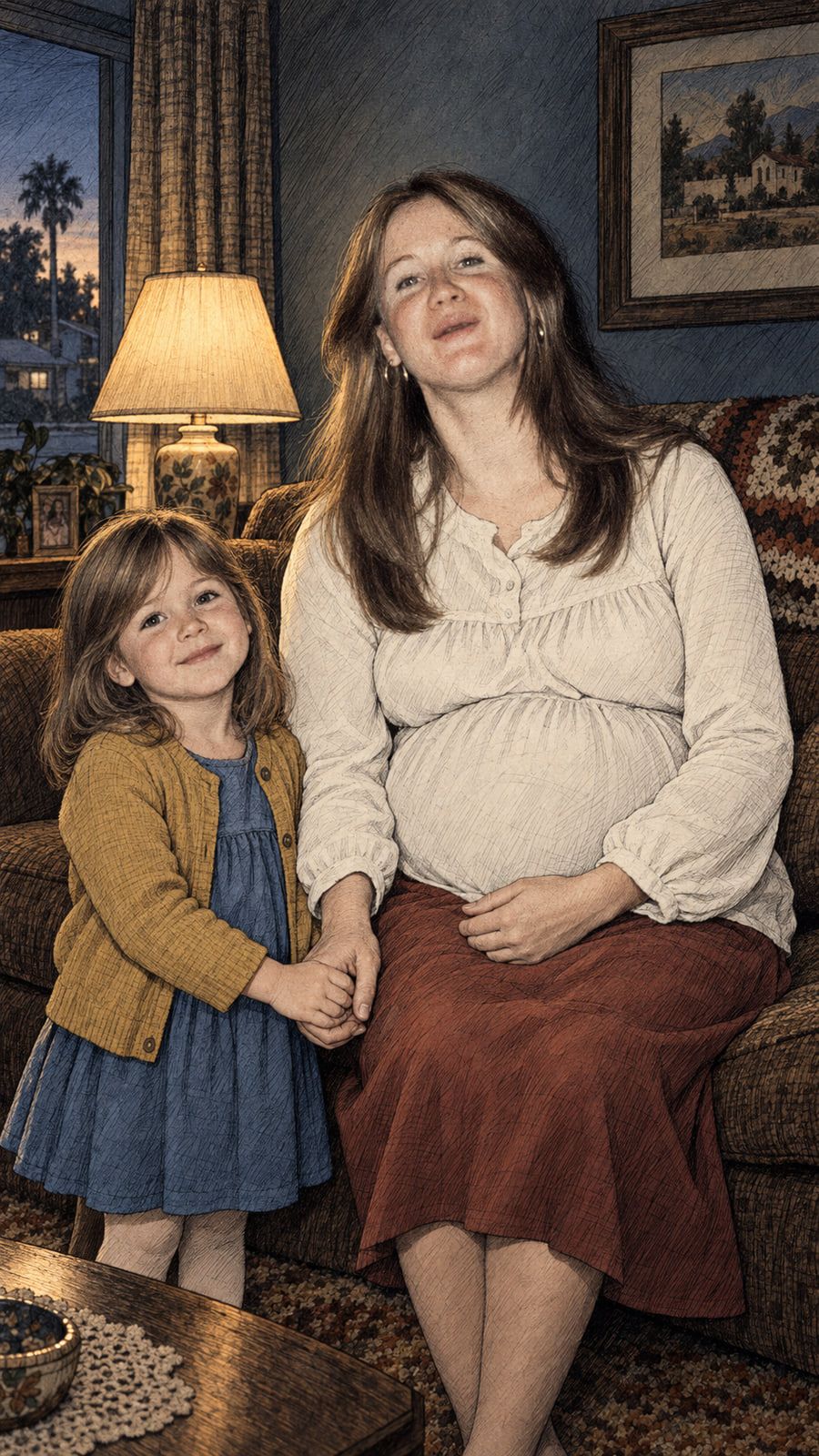
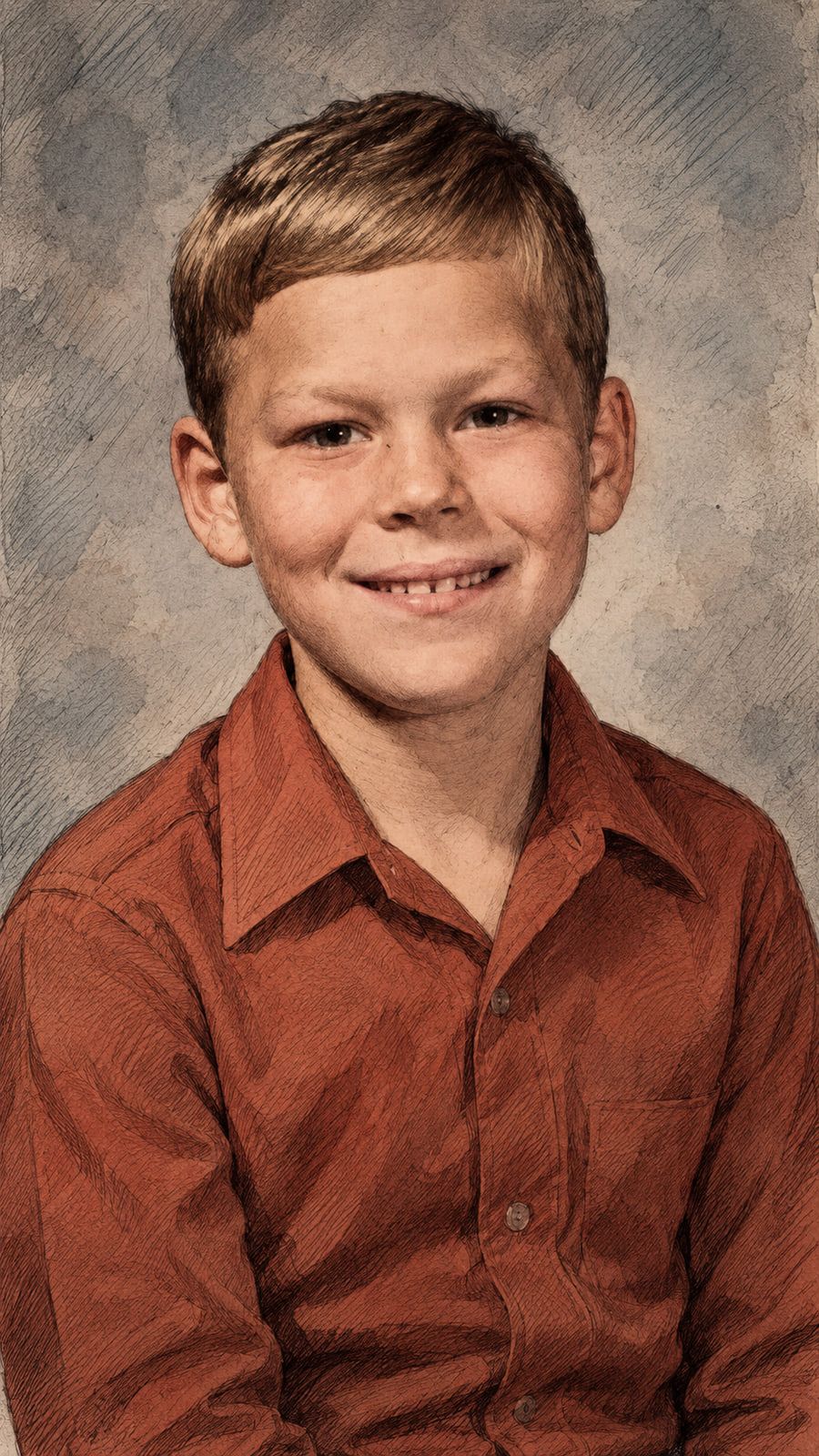
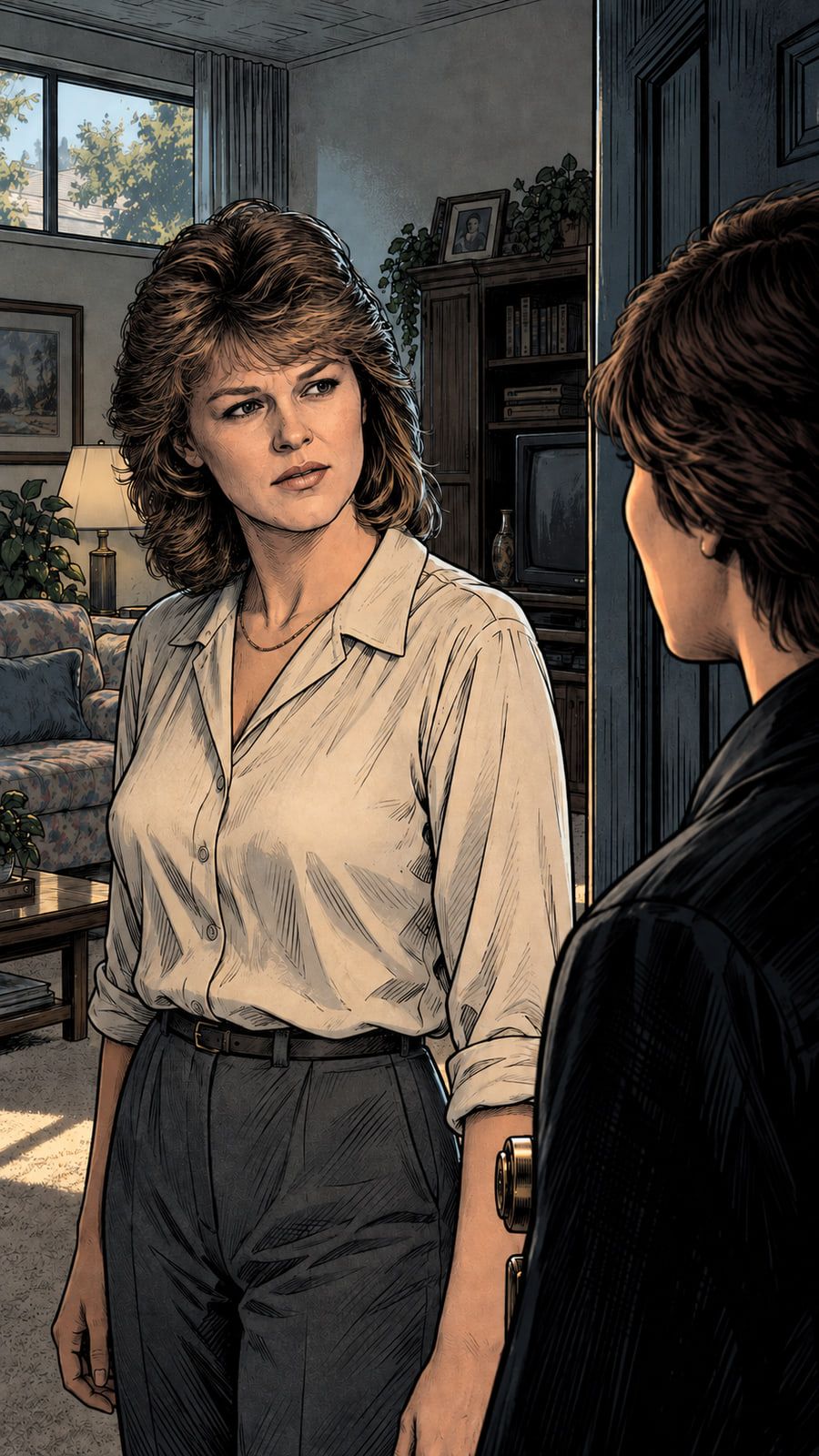
The episode's images are AI-generated illustrations. The 1957 news photographs of the Fabianos, Pizer and Rabel are not reproduced.
What the four marks mean
- Documented
- Shown as it is recorded in court filings, police statements, or consistent reporting.
- Reconstruction
- A reasonable visual recreation of a documented event. The event happened; the image is illustrative.
- Compressed
- Real events shortened, merged, or reordered to fit the runtime.
- Dramatized
- A storytelling choice (framing, wording, emphasis) that the record does not establish.
Sources
- [1]Los Angeles Examiner2 Admit Halloween KillingReports the March 11, 1958 plea change and the five-years-to-life term.
- [2]Los Angeles TimesMystery 'Caller' Kills Man Answering BellFront-page report, with follow-up photo captions on November 2 and December 7, 1957.
- [3]Los Angeles Public LibraryValley Times photograph collection, 1957 caption records
- [4]The Daily Mirror (Larry Harnisch)“October 31, 1957: Trick or Treat murder”Written from the Los Angeles Times archive by a former Times staff member.
- [5]New York Daily News (Justice Story)“The Trick or Treat Murder”Contains the fullest text of Pizer's confession. Its claim that the women stayed in prison for life is wrong.
- [6]CrimeReads (James T. Bartlett)“Los Angeles's Dark, Strange History of Trick-Or-Treat Murders”
- [7]VICE (Scout MacEachron)“The Bizarre Lesbian Murder Scandal That Rocked 1950s LA”
- [8]Crime+Investigation UK“Murder on Halloween: The 'Trick-or-Treat Slaying'”
- [9]Deranged L.A. Crimes (Joan Renner)“The Trick-or-Treat Murder”
SourcedFacts in this file come from the reporting listed above. Some details are still waiting on primary records. Last reviewed October 6, 2026. How we check cases