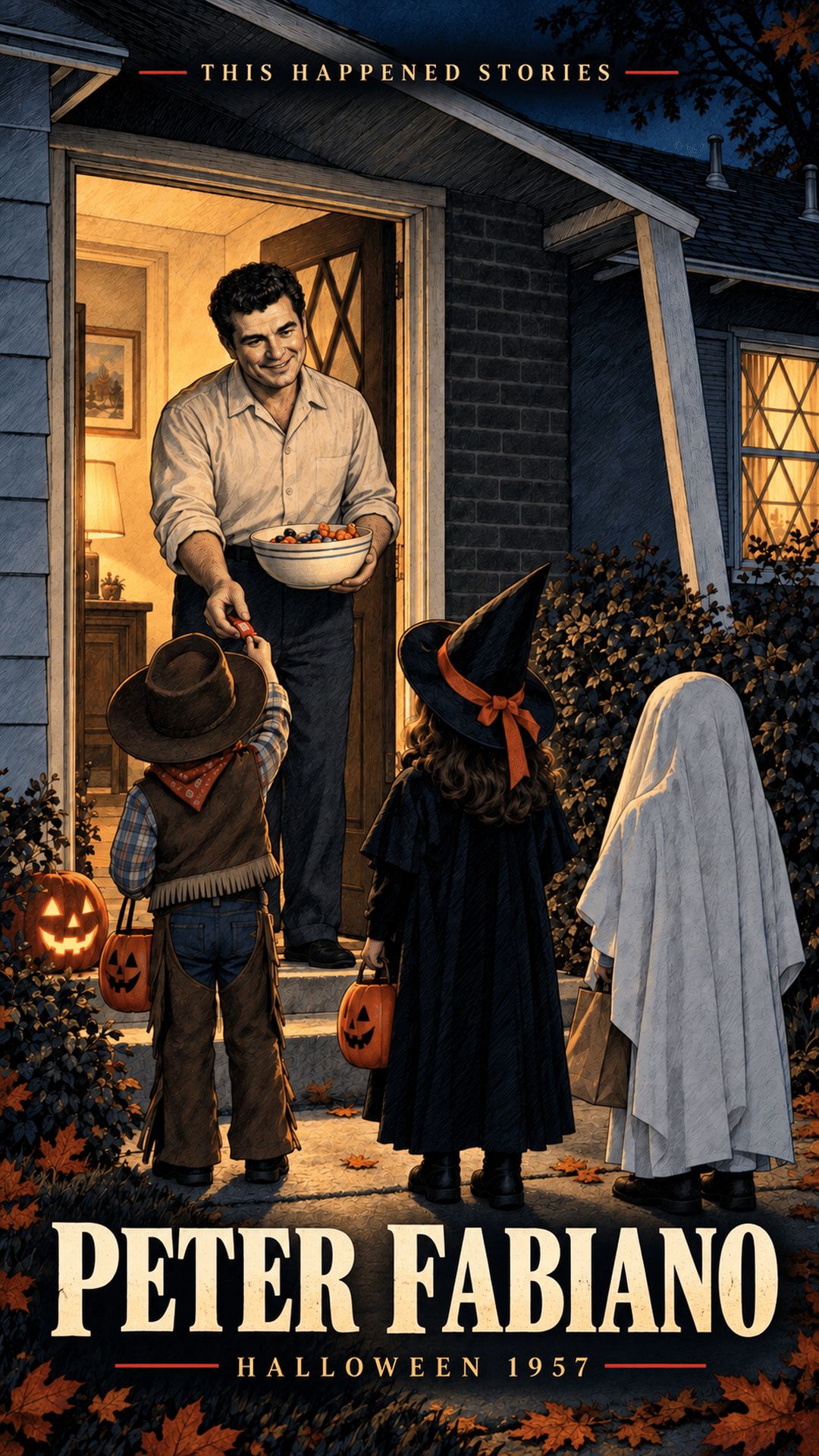
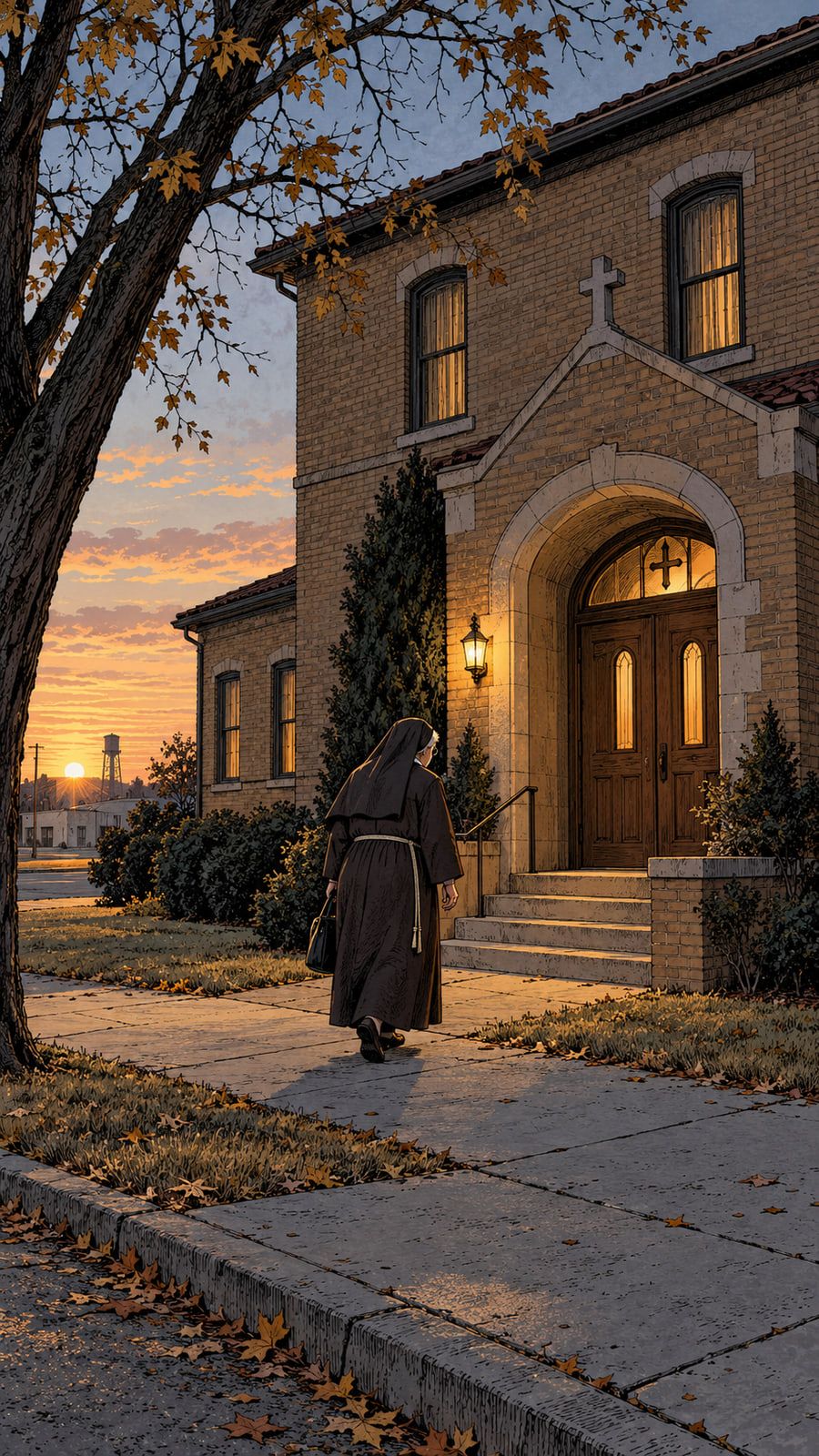
Timothy O'Bryan and the killer beside him
Five children got giant Pixy Stix on Halloween night. One of them killed Timothy. No house on the route had handed them out.
- When
- October 31, 1974
- Where
- Pasadena, Texas, near Houston
- Status
- Convicted
Content note murder of a child, poisoning. No graphic images.
In brief
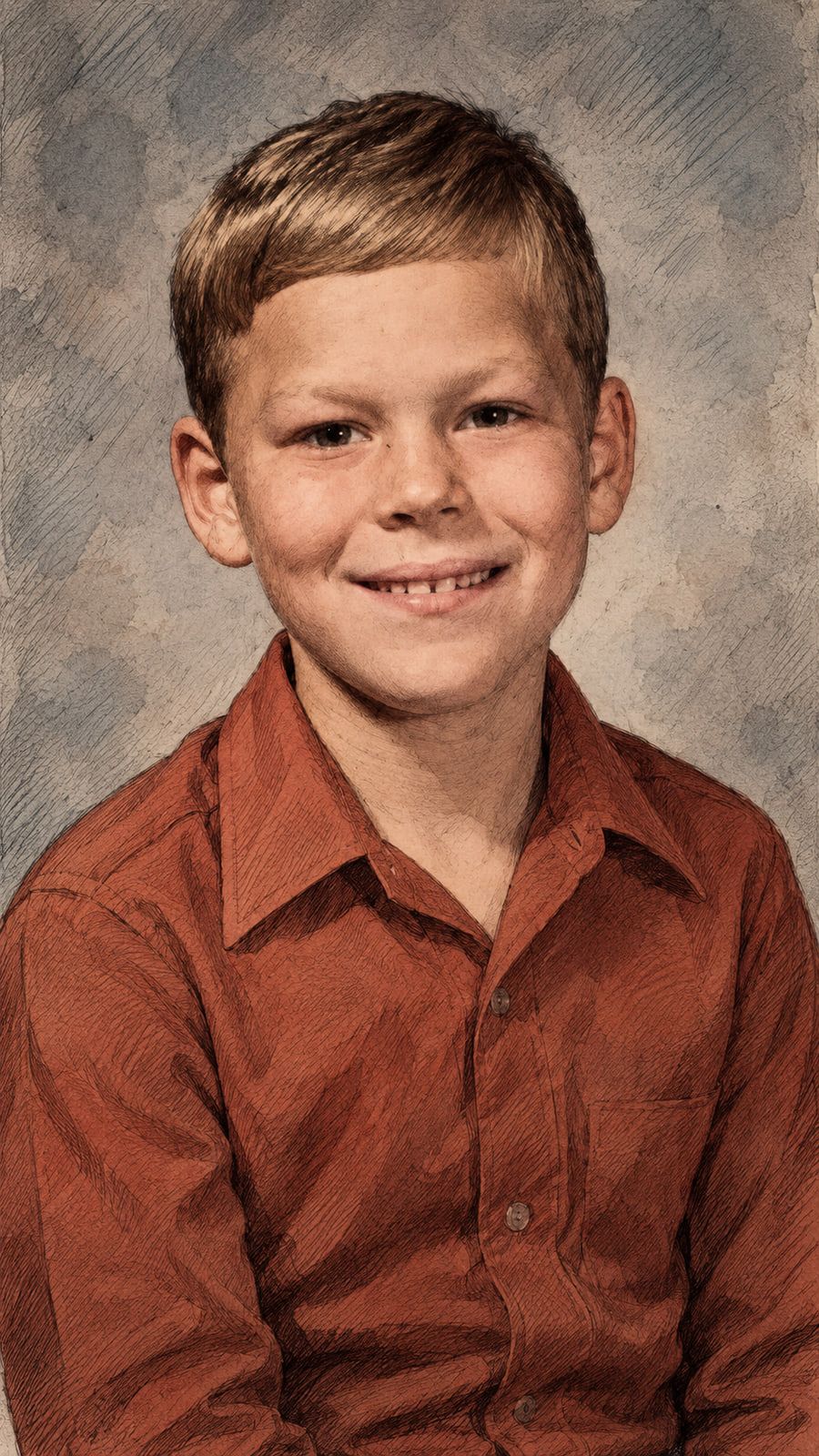
On Halloween night in 1974, eight-year-old Timothy O'Bryan went trick-or-treating in a Pasadena, Texas, neighborhood with his sister, a neighbor's children, his father, Ronald, and a neighbor, Jim Bates. At one dark house where nobody answered, Ronald lagged behind for about thirty seconds, then caught up holding giant Pixy Stix he said came from rich neighbors. He handed out five. Before bed, Timothy tasted his, said it was bitter and died that night of cyanide poisoning. The other four sticks were recovered before any child ate them; each held a fatal dose. Police retraced the route and found that no house had given out giant Pixy Stix, and the owner of the dark house had been at work. Investigators learned that Ronald, an optician deep in debt, had been asking where to get cyanide and had recently taken out about $30,000 in life insurance on each of his children. In 1975 a jury convicted him of capital murder. Texas executed him in March 1984.
Turning pointPolice retraced every house on the route. Nobody had handed out giant Pixy Stix, and the dark house Ronald pointed to belonged to a man who had been at work all evening.
- Victim
- Timothy Marc O'Bryan, 8
- Poison
- Potassium cyanide inside an 18-inch Pixy Stix, resealed with a staple
- Other poisoned sticks
- Four, given to other children and recovered before anyone ate them
- Insurance
- About $30,000 on each of his two children by mid-October 1974
- Convicted
- Ronald Clark O'Bryan, Timothy's father, capital murder, 1975
- Executed
- March 31, 1984, Huntsville, Texas
Watch the episode
Timothy O'Bryan: The Killer Beside Him | Pasadena
Watch on YouTubeTimeline
August–September 1974
Ronald O'Bryan, an optician with debts the trial record placed between $20,000 and $100,000, asks coworkers and a chemical company about cyanide: where to get it, how much would kill and whether it shows up after death. He visits a chemical supply store but leaves without buying.
October 1974
By mid-month, life insurance on Timothy and his sister, Elizabeth, totals about $30,000 each. Ronald has little or no coverage on himself.
October 31, 1974Evening
In the rain, the O'Bryan and Bates families trick-or-treat on two streets in Pasadena. Jim Bates waits on the sidewalk while Ronald goes to the doors.
October 31, 1974
At a dark house where nobody answers, the children run ahead. Ronald stays behind for about thirty seconds and catches up holding giant Pixy Stix, saying the rich neighbors are giving out expensive treats.
October 31, 1974
Back at the Bates home, Ronald gives out five Pixy Stix: to his two children, the two Bates children and a boy who comes to the door.
October 31, 1974Before bed
Timothy picks the Pixy Stix. The powder sticks; Ronald rolls the straw in his hands to loosen it. Timothy says it tastes bitter and Ronald gives him Kool-Aid. He begins vomiting and convulsing and dies within an hour of reaching the hospital.
November 1, 1974
Ronald tells a funeral director he needs a death certificate for each insurance policy and orders six.
November 1974
Police retrace the route. No house gave out giant Pixy Stix. The four other sticks are recovered; each has a fatal dose of cyanide in its top two inches. Ronald's story of where the candy came from keeps shifting and ends at the dark house, whose owner was at work.
November 5, 1974
Ronald O'Bryan is charged with Timothy's murder and held on $100,000 bond.
June 3, 1975
A Harris County jury convicts him of capital murder in under an hour and sentences him to death.
March 31, 1984
After years of appeals, Ronald O'Bryan is executed by lethal injection, the third execution in Texas since the death penalty resumed.



The full story
A rainy Halloween
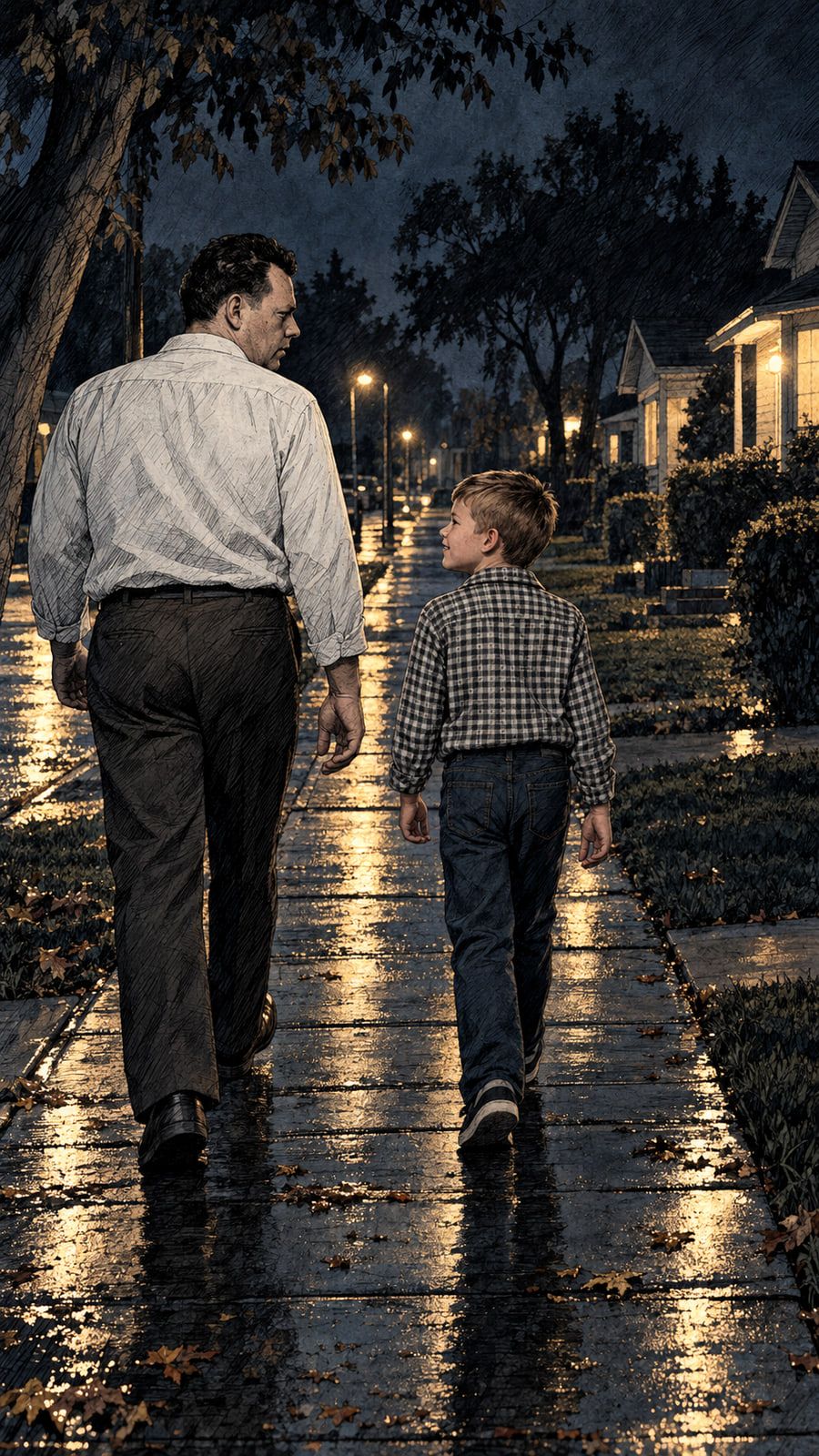
Halloween 1974 was wet in the suburbs east of Houston, so the O’Bryans and their friends the Bateses kept the trick-or-treating short: two streets in a Pasadena neighborhood. Eight-year-old Timothy O’Bryan went with his sister, Elizabeth, the Bates children, his father, Ronald, and Jim Bates. Bates waited on the sidewalk while Ronald walked the children to the doors.
At one house the lights were off and nobody answered. The children ran on to the next. Ronald lingered for about thirty seconds, then caught up holding a handful of giant Pixy Stix, the 18-inch paper straws of flavored sugar. The rich neighbors, he said, were giving out the expensive stuff.
Five straws
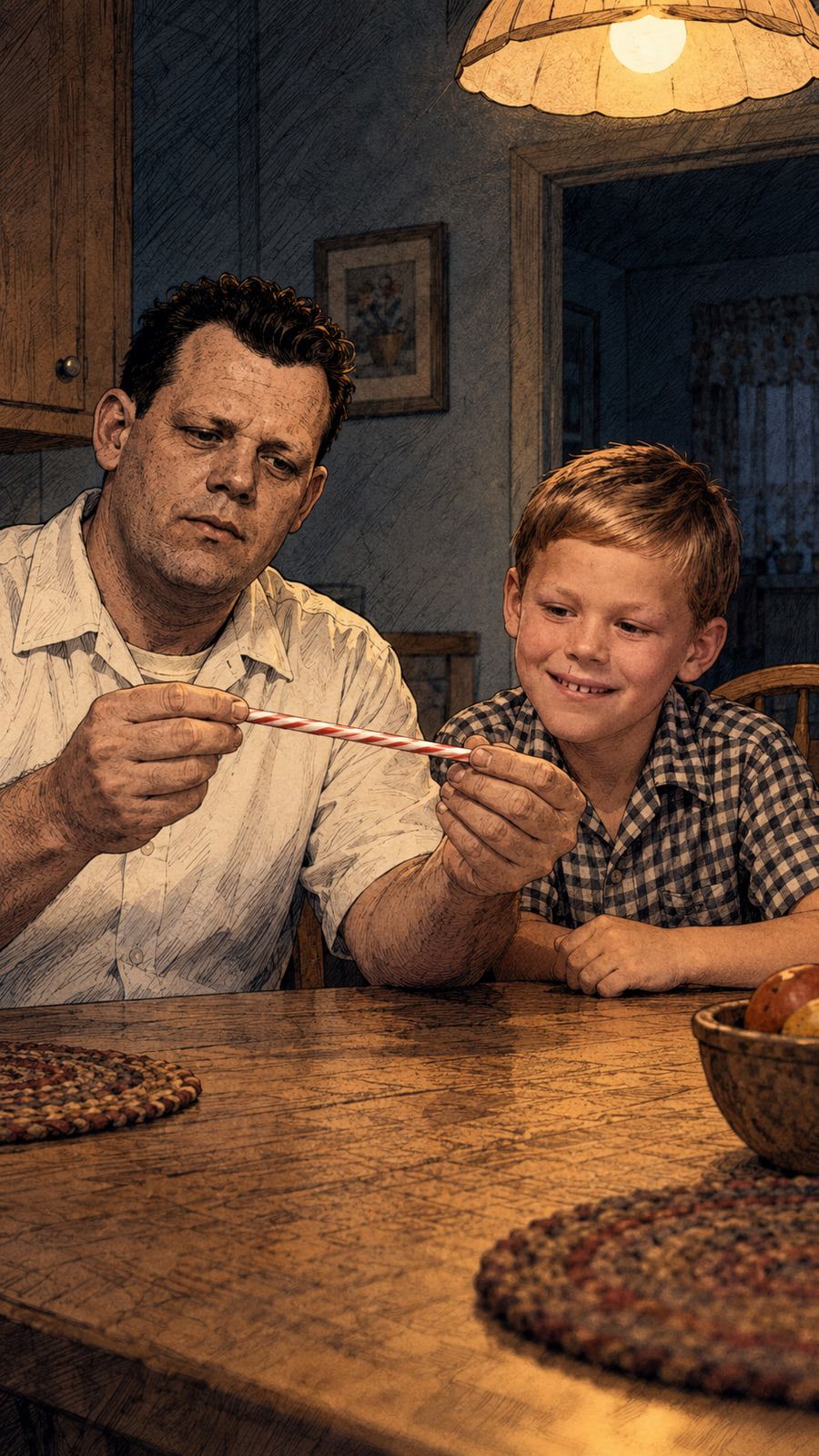
Back at the Bates house, Ronald handed out five: one each to his own children, one each to the two Bates kids, and one to a boy from his church who came to the door. Before bed, Timothy chose his. The powder would not flow, so Ronald rolled the straw between his hands to loosen it. Timothy said it tasted bitter. His father gave him Kool-Aid. Within minutes the boy was vomiting and convulsing, and he died that night. The medical examiner found cyanide.
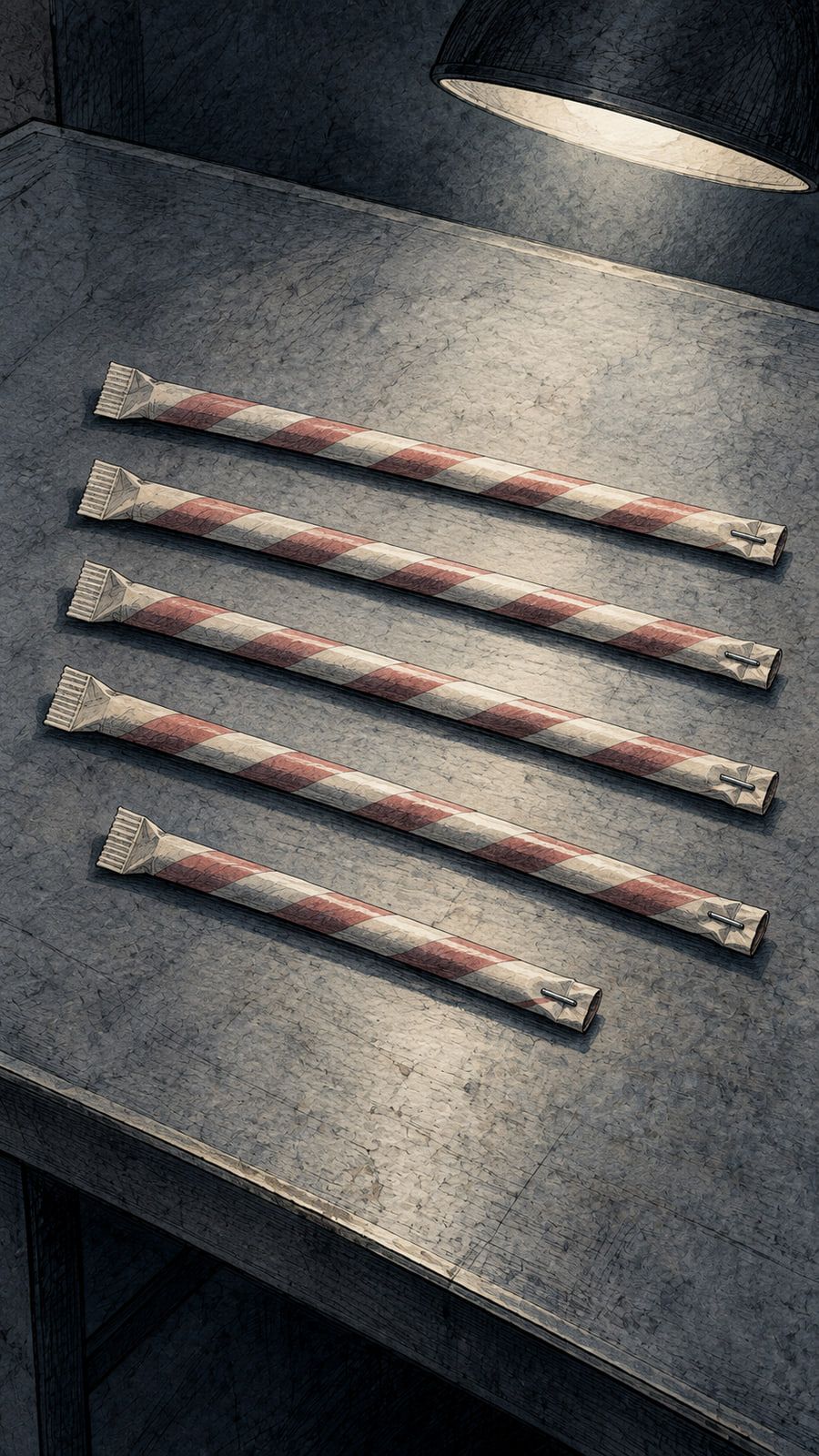
The other four children had not eaten theirs. When police recovered the sticks, each had been opened at one end and closed with a staple, and each held enough cyanide to kill.
No stranger
Police assumed a poisoner on the route and went back over both streets. No house had given out giant Pixy Stix. Ronald’s account of where he got them kept changing, and finally settled on the dark house. Its owner had been at work until late that night, and his family had stopped answering the door hours before.
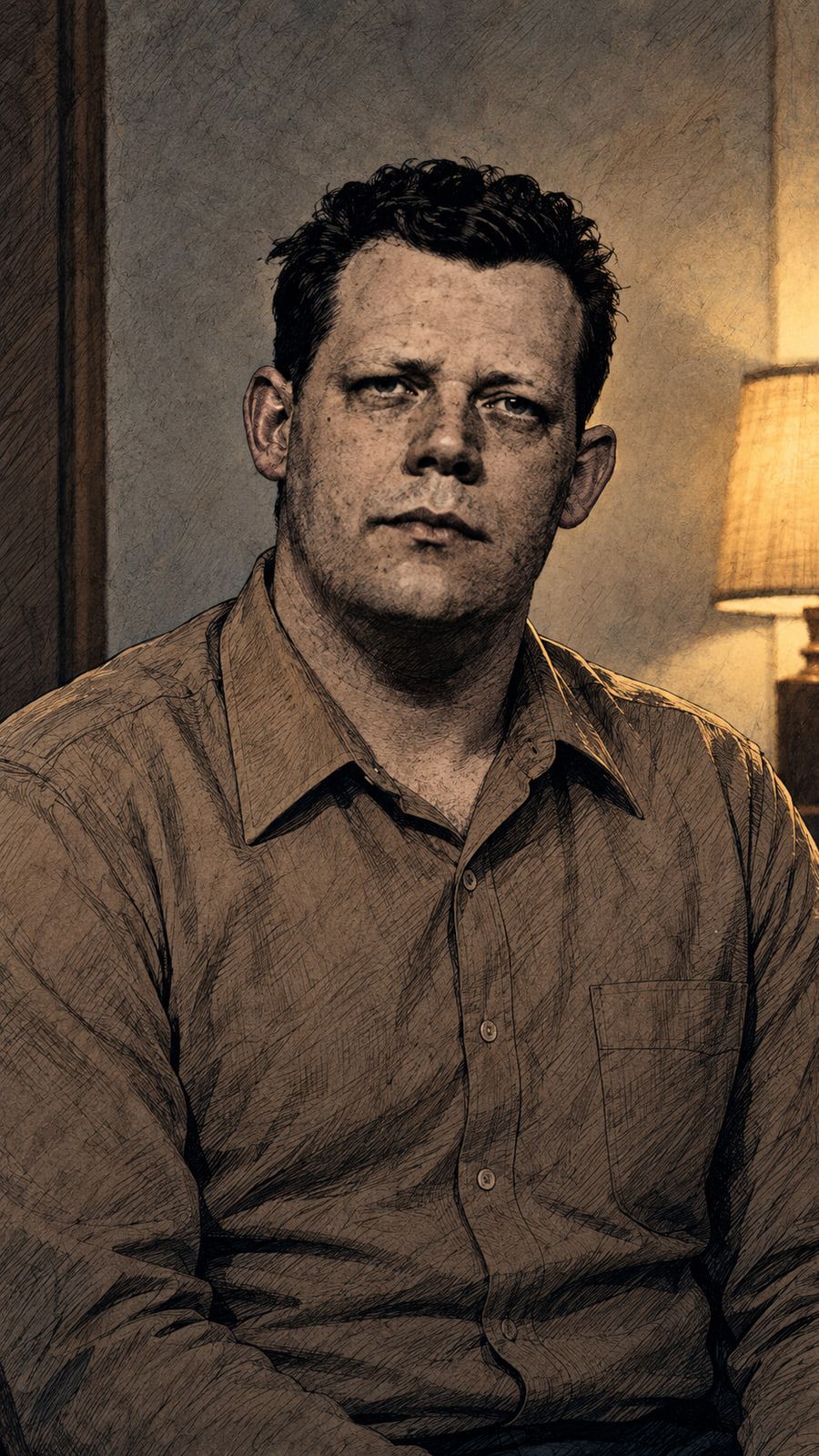
Then investigators looked at Ronald. He was an optician who had worked a string of jobs and owed far more than he made. In the weeks before Halloween he had asked several people where to get cyanide, how much it took to kill someone, and whether it could be detected after death. By mid-October he had about $30,000 of life insurance on each of his children and almost none on himself. The day after Timothy died, a funeral director told him he would need a death certificate for each policy. He ordered six. Prosecutors said the four other poisoned sticks were cover, there to make Timothy’s death look random.
The verdict
In June 1975, a Harris County jury convicted Ronald Clark O’Bryan of capital murder in less than an hour and sentenced him to death. He never confessed. Texas executed him on March 31, 1984.
Parents already feared poisoned Halloween candy, and Timothy’s death seemed to prove the danger was real. But the person who poisoned him was not a stranger. It was his father, who had walked beside him all night.
What the video couldn't include
The four other children
The other sticks went to Timothy's sister, the two Bates children and a boy from Ronald's church who came to the door. None of them ate the candy. Each of the four held more than enough cyanide to kill.
The rich neighbors
The dark house belonged to Courtney Melvin, who was working late at an air-traffic job that night. His wife and children had stopped answering the door earlier in the evening.
Where the cyanide came from
Investigators never found where Ronald finally obtained the cyanide. He had tried one chemical supplier, which had a five-pound minimum, and left without buying.
His own words
An ambulance attendant later recalled Ronald saying he had rolled the Pixy Stix in his hand to break up the clumps and helped pour it down his son's throat.
The myth it fed
Sociologist Joel Best's long-running review of reported Halloween candy tampering found no confirmed case of a stranger poisoning trick-or-treaters. Timothy's death is often cited as proof that it happens. The killer was his father.
Last words
In his last statement, Ronald O'Bryan asked forgiveness for all and said he had been treated well by prison staff. He never admitted killing his son.
The video and the record
The episode tells this case in about 2 minutes with illustrated recreations. Here is how its key moments line up with what is documented.
Five children in Texas received giant Pixy Stix. Four still held fatal doses of cyanide
Documented
The direct-appeal opinion describes the four recovered sticks and their cyanide content.
Ronald stayed behind for about thirty seconds
Documented
Jim Bates's testimony, recited in the appeal opinions.
Ronald rolled the straw between his hands
Documented
Trial testimony and Ronald's own account to an ambulance attendant.
Ronald ordered six
Documented
The funeral director's testimony about the death certificates, from the direct-appeal opinion.
Timothy and his sister each carried about thirty thousand dollars in life insurance
Documented
Figures often quoted as $100,000 per child are not supported by the trial record.
The rainy street, the dark house, the evidence
Reconstruction
AI-generated illustrations. No family or trial photographs are reproduced.
What the four marks mean
- Documented
- Shown as it is recorded in court filings, police statements, or consistent reporting.
- Reconstruction
- A reasonable visual recreation of a documented event. The event happened; the image is illustrative.
- Compressed
- Real events shortened, merged, or reordered to fit the runtime.
- Dramatized
- A storytelling choice (framing, wording, emphasis) that the record does not establish.
Sources
- [1]Texas Court of Criminal AppealsO'Bryan v. State, 591 S.W.2d 464 (Tex. Crim. App. 1979)Direct appeal; the most detailed account of the trial evidence.
- [2]U.S. Court of Appeals for the Fifth CircuitO'Bryan v. Estelle, 714 F.2d 365 (5th Cir. 1983)
- [3]Texas Department of Criminal JusticeRonald Clark O'Bryan, last statementThis page lists March 30, 1984; TDCJ's executed-inmates index and contemporary reports give March 31, the day he died.
- [4]The New York Times“Boy Killed by Cyanide Put in Halloween Candy”
- [5]The New York Times“Father Is Held in Halloween Poison Death of Son, 8”
- [6]The New York TimesKiller of son is executed in Texas after asking forgiveness for all
- [7]United Press InternationalThe neighbor who accompanied condemned killer Ronald Clark O'Bryan
- [8]United Press International“O'Bryan dies by injection”
- [9]ABC13 Houston (KTRK)1974 'Candyman' turned Halloween terrifying in Pasadena, Texas
- [10]KPRC 2 HoustonHouston's horror story: Man who killed Halloween remembered decades later
- [11]Joel Best, University of Delaware“Halloween Sadism: The Evidence”
VerifiedKey facts in this file were checked against multiple consistent reports and first-person or official accounts. Last reviewed October 6, 2026. How we check cases