Sister Tadea Benz and the DNA from a different case
Her fellow sisters didn't suspect murder, and she was taken to a funeral home before a broken window brought police. The DNA that later raised doubts came from a different murder.
- When
- Night of October 30–31, 1981; found Halloween morning
- Where
- St. Francis Convent, Amarillo, Texas
- Status
- Convicted
Content note murder, sexual violence, execution. No graphic images.
In brief
On the morning of October 31, 1981, Sister Tadea Benz, 76, was found dead on the floor of her bedroom at St. Francis Convent in Amarillo, Texas. The sisters who found her did not suspect foul play, and her body went to a funeral home before a broken ground-floor window was noticed and police were called. An autopsy found she had been raped and strangled. Johnny Frank Garrett, 17, who lived across the street, was arrested days later. His fingerprints were on a knife under her bed and on her headboard. He testified that he had been inside the convent two days earlier but denied killing her, and denied making the oral confession police described; no statement was signed. A jury convicted him of capital murder. Sister Tadea's own religious community asked Texas to spare his life, but he was executed in 1992. Years later DNA tied another man to the separate 1981 Amarillo murder of Narnie Box Bryson, and Garrett's family came to suspect him in Sister Tadea's death too. That DNA came from Bryson's case and did not overturn Garrett's conviction.
Turning pointBecause nobody suspected murder at first, Sister Tadea's body was partly cleaned and embalmed before the autopsy. What evidence survived shaped every argument that followed.
- Victim
- Sister Tadea Benz, 76, Franciscan Sisters of Mary Immaculate
- Found
- About 7 a.m., October 31, 1981, on her bedroom floor
- Police called
- About 9 a.m., after a broken window was found; she had already been taken to a funeral home
- Convicted
- Johnny Frank Garrett, 17 at the time, capital murder, 1982
- Executed
- February 11, 1992, in Huntsville
- Later DNA
- Linked another man to a separate Amarillo murder; did not overturn Garrett's conviction
Timeline
October 30, 1981Late evening
Sister Tadea Benz, 76, is last seen alive at St. Francis Convent in Amarillo, across the street from the home of 17-year-old Johnny Frank Garrett.
October 31, 1981About 7 a.m.
A sister finds her dead on her bedroom floor. Nobody suspects foul play, and her body is sent to a funeral home.
October 31, 1981About 9 a.m.
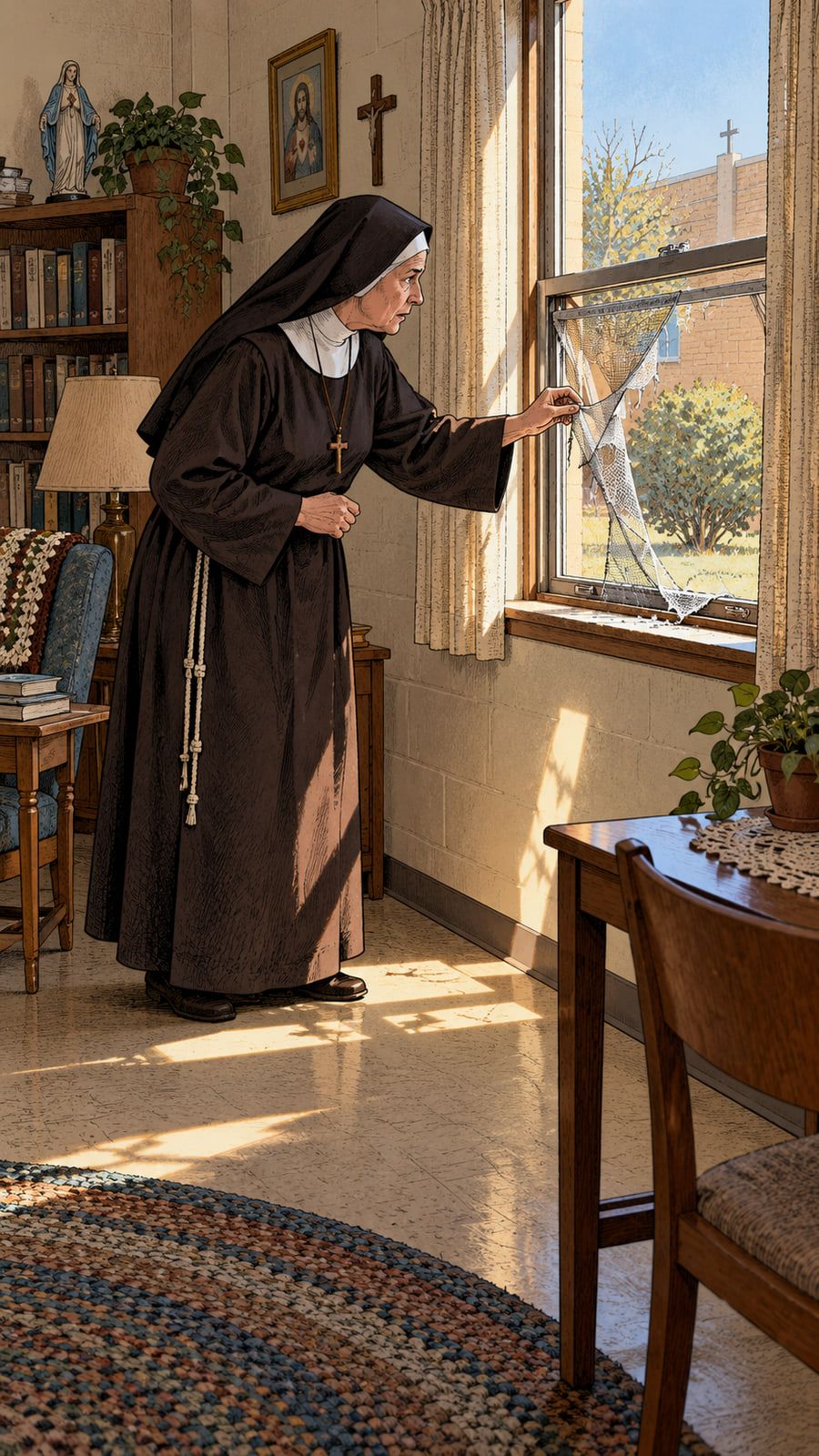
About an hour after she is found, a broken ground-floor window is discovered, and police arrive. By the time of the autopsy, her body has been partly cleansed and embalmed. The pathologist concludes she was raped and strangled.
November 9, 1981
Garrett is arrested. His fingerprints match prints on a knife found under her bed and on her headboard.
1982
At trial, Garrett testifies that he had entered the convent two days earlier but denies killing Sister Tadea. Police describe an oral confession; he denies making it, and it was never signed. A jury convicts him of capital murder, and he is sentenced to death.
September 19, 1984
The Texas Court of Criminal Appeals affirms the conviction and death sentence.
January 2, 1992
Sister Tadea's community, the Franciscan Sisters of Mary Immaculate, say they have forgiven Garrett and ask that his sentence be commuted to life. Governor Ann Richards grants a 30-day reprieve.
February 11, 1992
After the Board of Pardons and Paroles votes against clemency, Johnny Frank Garrett is executed in Huntsville. He is 28.
2004–2005
DNA links a different man to the 1981 Amarillo rape and murder of Narnie Box Bryson, 76, and he pleads guilty to her murder. A lawyer for Garrett's family says the man described attacking a nun; no court has found that he was involved in Sister Tadea's death.
2011
Garrett's sisters are still seeking to clear his name. The district attorney says further DNA testing would require court steps that have not been taken.



The full story
Halloween morning at the convent
Sister Tadea Benz was 76, a member of the Franciscan Sisters of Mary Immaculate, living at St. Francis Convent in Amarillo, Texas. She was last seen alive late on October 30, 1981. Around 7 the next morning, Halloween, one of the sisters found her dead on the floor of her bedroom.
Nobody suspected murder. Sister Tadea was elderly, and her body was taken to a funeral home. About an hour later someone noticed a broken ground-floor window, and police arrived around 9. By the time of the autopsy, her body had been partly cleaned and embalmed. The pathologist concluded she had been raped and strangled.
The teenager across the street
Johnny Frank Garrett was 17 and lived across the street. He was arrested in November. His fingerprints were on a knife found under Sister Tadea’s bed and on her headboard. At his 1982 trial he testified that he had been inside the convent two days earlier, but said he did not kill her. Police described an oral confession, which he denied making. It was never signed, and jurors were told they could not treat it as evidence of guilt. The jury convicted him of capital murder, and he was sentenced to death.
Forgiveness
In January 1992, as his execution approached, the sisters of Sister Tadea’s own order said they had forgiven him and asked the state to commute his sentence to life in prison. Experts had described Garrett as severely mentally impaired, abused as a child, and psychotic. The pope’s representatives and the Texas bishops asked for mercy too. Governor Ann Richards granted a 30-day reprieve, but the Board of Pardons and Paroles voted against clemency. Garrett was executed on February 11, 1992. He was 28.
A different case
In 2004, DNA tied another man to the 1981 rape and murder of Narnie Box Bryson, another elderly Amarillo woman, and he pleaded guilty. A lawyer working for Garrett’s family said the man had described attacking a nun, and the family came to believe he killed Sister Tadea too. But the DNA came from Bryson’s case. No court has tied that man to Sister Tadea’s death, and Garrett’s conviction has never been overturned.
What the video couldn't include
The confession the jury couldn't weigh
The unsigned statement was used only to challenge Garrett's credibility. The Texas appeals court noted that jurors were told they could not treat it as evidence of guilt.
What the prints show
Fingerprints show that Garrett touched the knife and the headboard. They don't show when. Garrett said he had been in the convent two days earlier; a sister testified to rebut that.
The pathologist
The autopsy was done by Dr. Ralph Erdmann, who used up the whole biological sample in his own tests, leaving none for the defense. Erdmann later pleaded no contest to falsifying autopsies in other cases. No finding has been made about his work in this one.
His mental state
Experts who examined Garrett from 1986 onward described severe mental impairment and childhood abuse that his trial jury never heard about. In 2005, the U.S. Supreme Court barred executions for crimes committed before age 18.
Forgiveness, not innocence
The sisters' plea for clemency asked Texas to spare Garrett's life. It did not say he was innocent.
The film
The 2016 horror film Johnny Frank Garrett's Last Word, about a curse on the jurors, is fiction loosely based on a documentary by a lawyer for his family.
The video and the record
The episode tells this case in about 1 minutes with illustrated recreations. Here is how its key moments line up with what is documented.
Sister Tadea Benz was found dead on her convent bedroom floor
Documented
The Texas appeals court opinion specifies the floor.
Her body reached a funeral home before a broken window brought police
Documented
Both appeals opinions describe the sequence. Nothing suggests it was deliberate.
Police described an oral confession. He denied making it. The statement was unsigned
Documented
The statement was admitted only to challenge his credibility, not as evidence of guilt.
Sister Tadea's own religious community asked Texas to spare his life
Documented
Their January 2, 1992 statement, reproduced by Amnesty International.
That DNA came from Bryson's case. It did not overturn Garrett's conviction
Documented
The man linked by DNA to Bryson's murder is not named here, because no court has tied him to Sister Tadea's death.
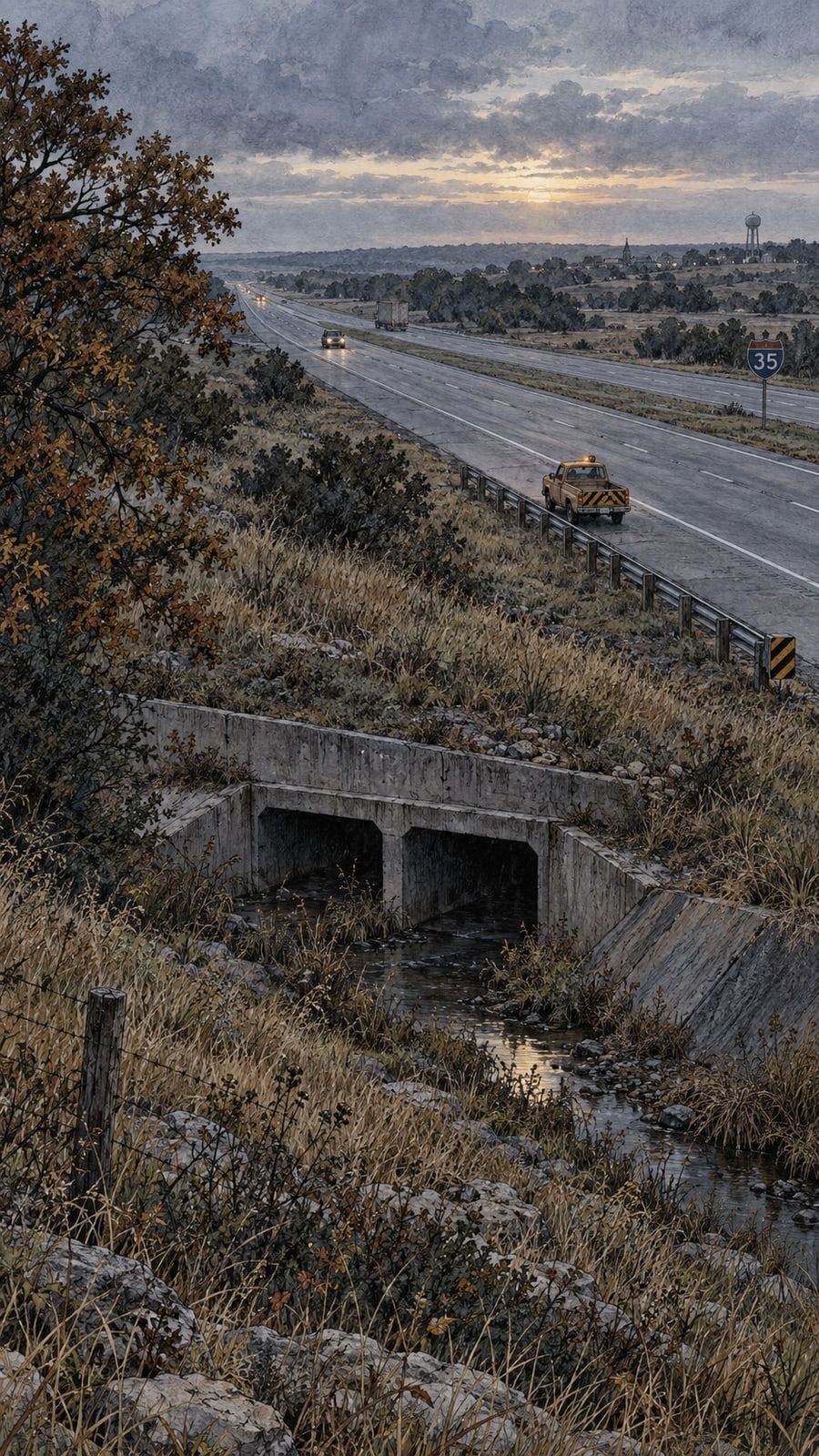
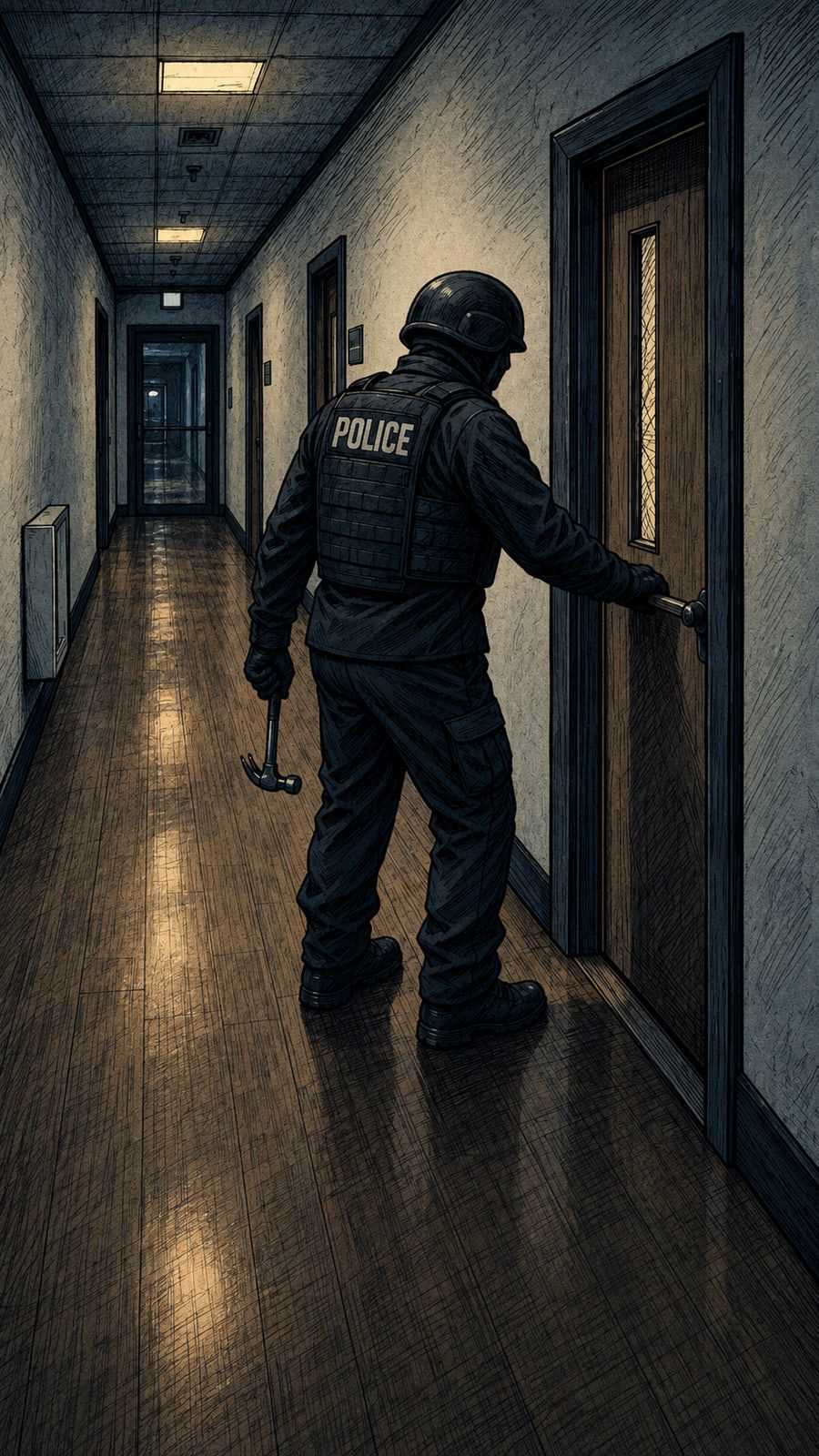
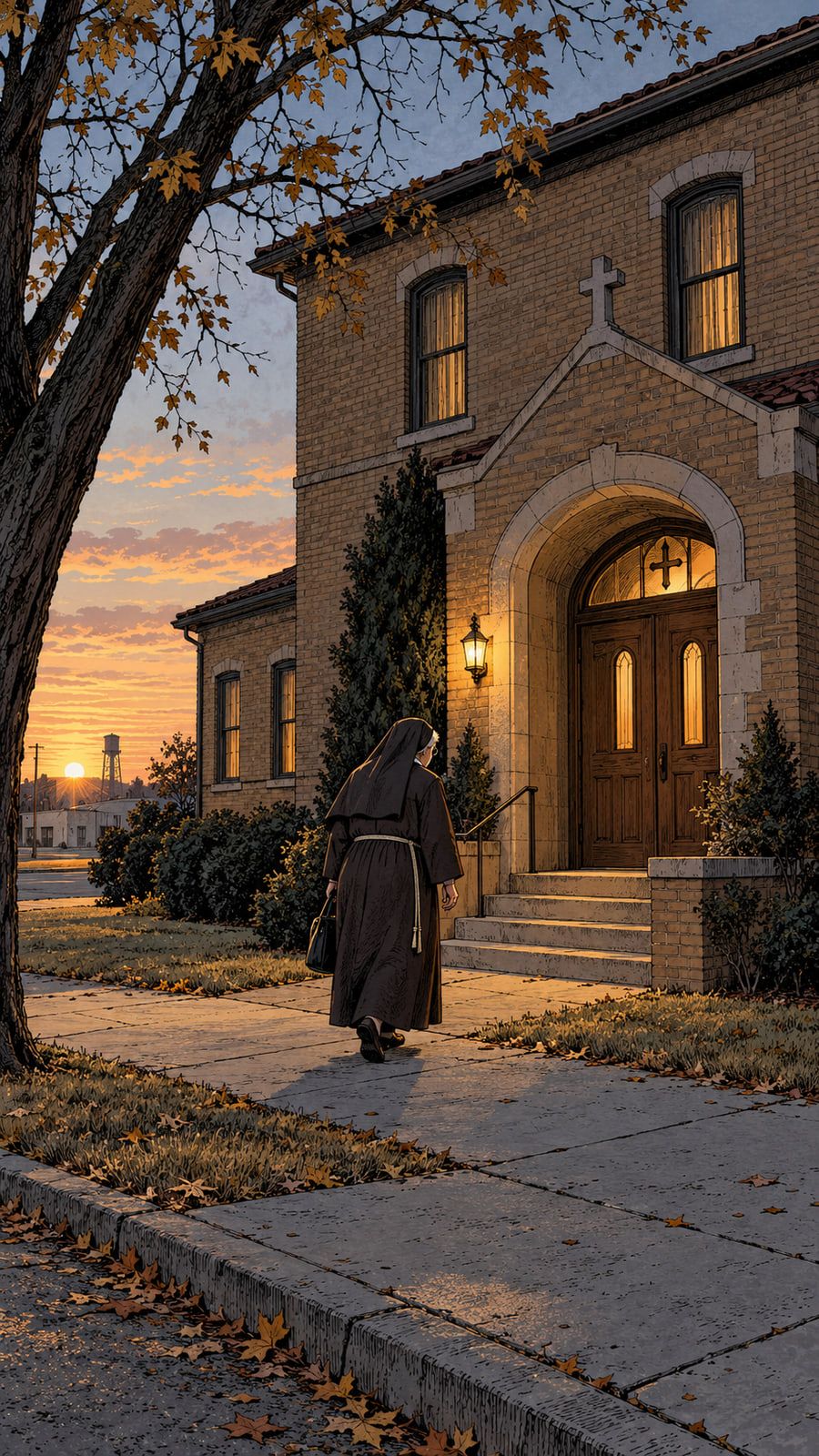
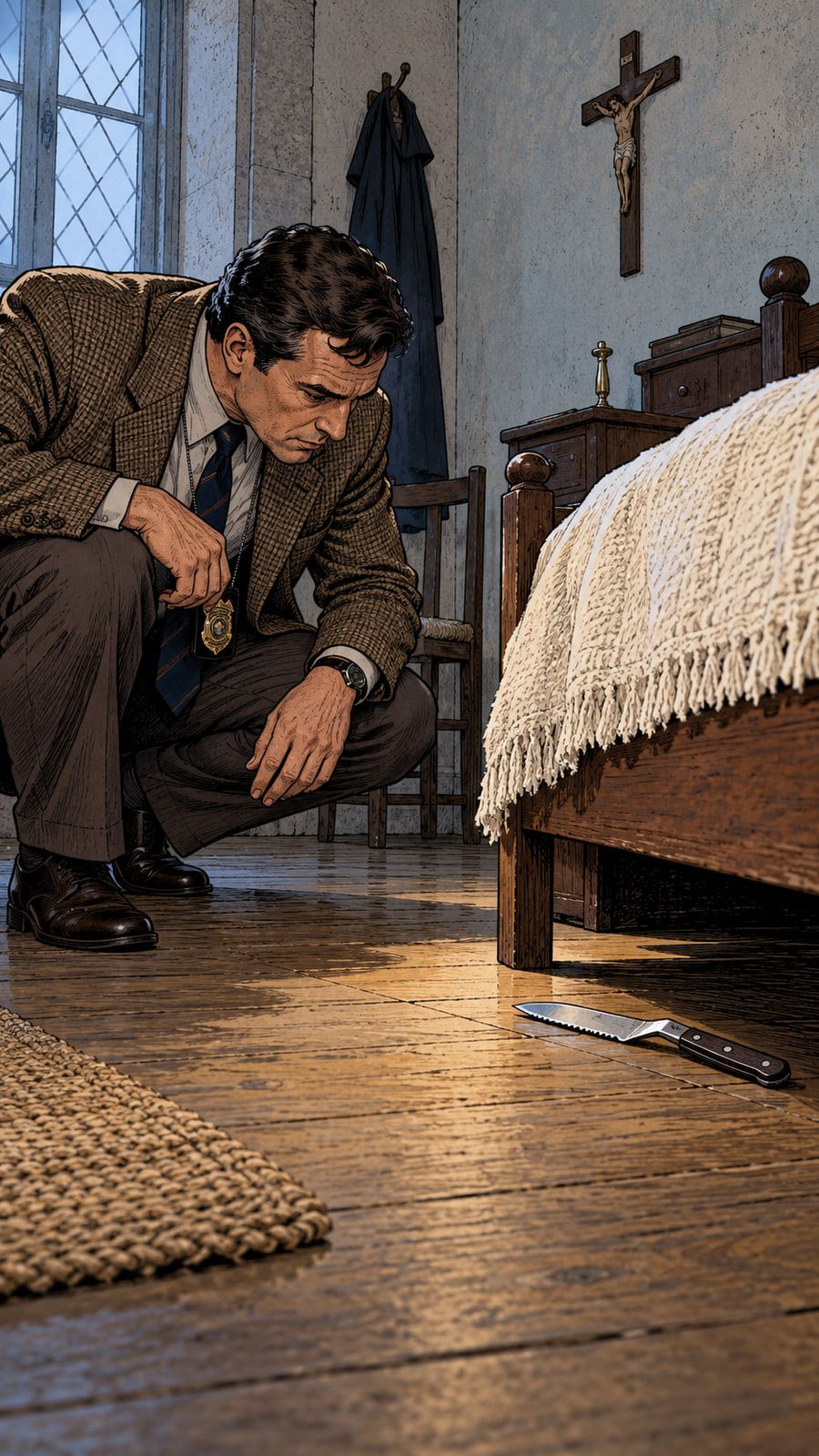
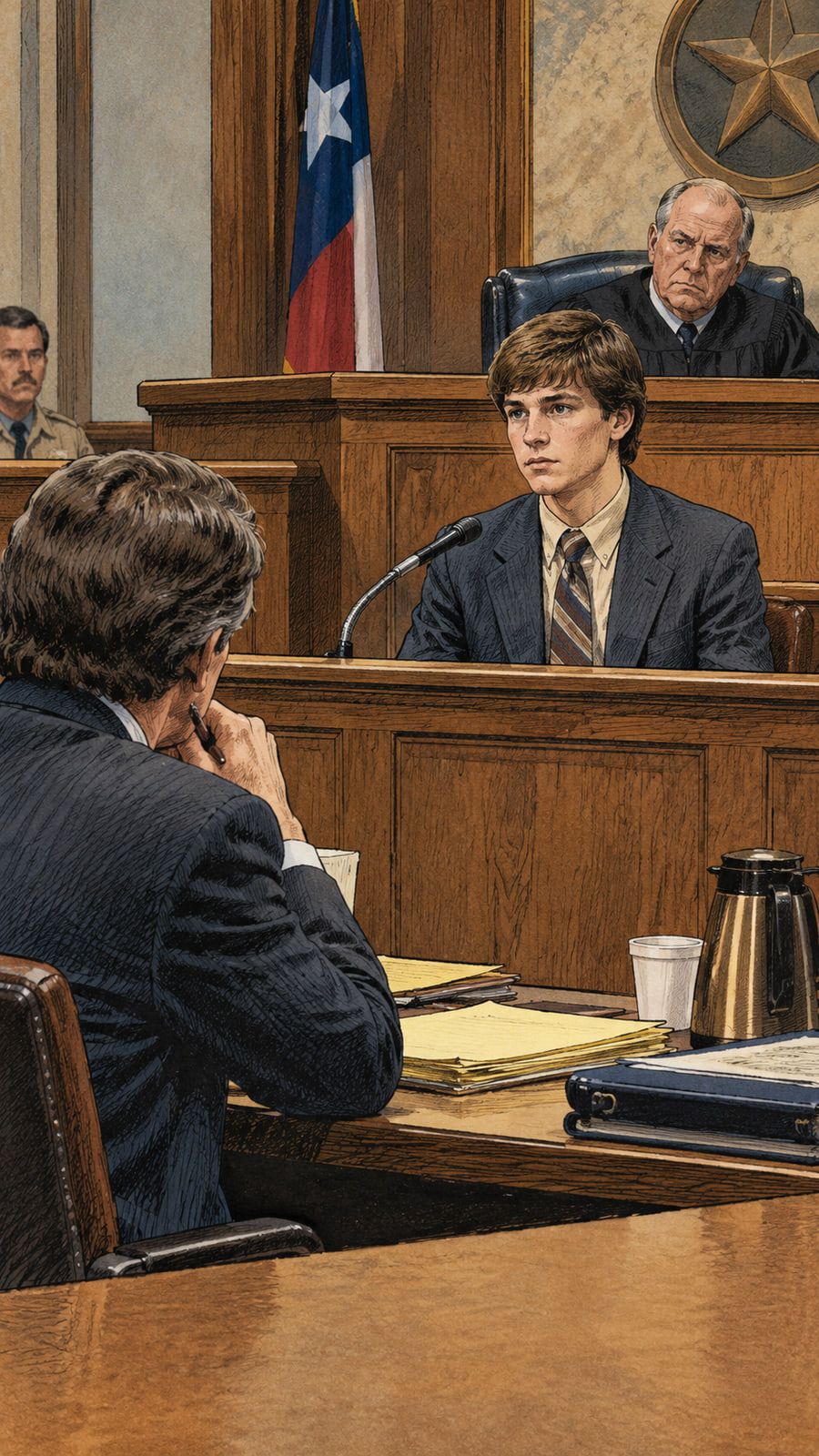
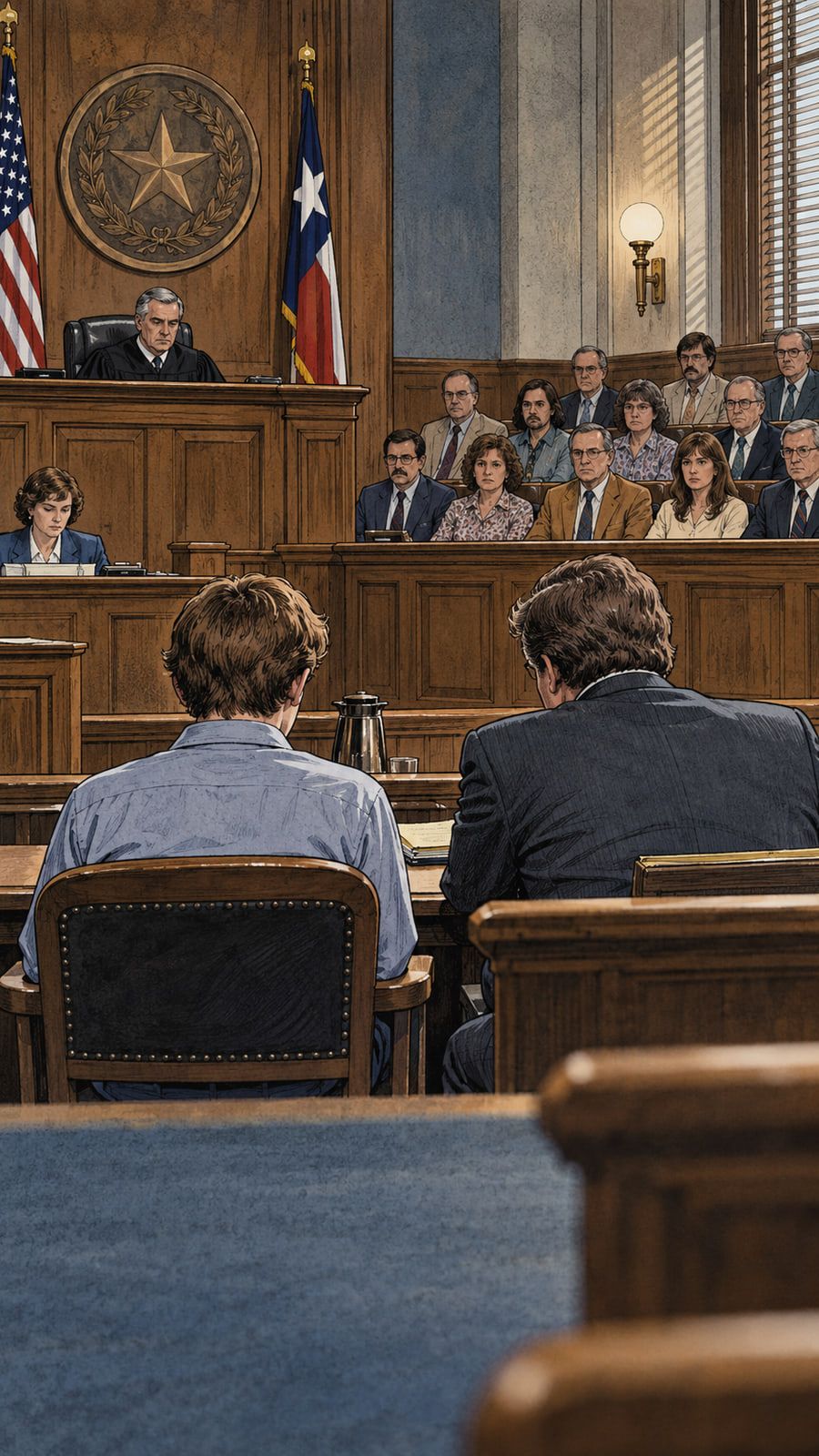
The convent, the window, the courtroom, the lab
Reconstruction
AI-generated illustrations. Sister Tadea's body is not depicted, and Garrett is not shown committing any act.
What the four marks mean
- Documented
- Shown as it is recorded in court filings, police statements, or consistent reporting.
- Reconstruction
- A reasonable visual recreation of a documented event. The event happened; the image is illustrative.
- Compressed
- Real events shortened, merged, or reordered to fit the runtime.
- Dramatized
- A storytelling choice (framing, wording, emphasis) that the record does not establish.
Sources
- [1]Texas Court of Criminal AppealsGarrett v. State, 682 S.W.2d 301 (Tex. Crim. App. 1984)
- [2]U.S. Court of Appeals for the Fifth CircuitGarrett v. Lynaugh, 842 F.2d 113 (5th Cir. 1988)
- [3]Texas Department of Criminal JusticeExecuted Inmates
- [4]Amnesty InternationalUrgent Action: Johnny Frank GarrettAn advocacy document; it reproduces the Franciscan Sisters of Mary Immaculate's January 2, 1992 statement.
- [5]United Press InternationalA west Texas teenager charged with rape and murder
- [6]United Press International“Killer of elderly nun executed”
- [7]Associated Press, via Houston ChronicleLawyer takes 1981 case of executed man
- [8]Midland Reporter-TelegramMan pleads guilty, sentenced to 45 years for 1981 murder
- [9]KFDA NewsChannel 10, Amarillo“Halloween murder resurrected 30 years later”
- [10]The New York Times“Ripples of a Pathologist's Misconduct in Graves and Courts of West Texas”
- [11]OyezRoper v. Simmons, 543 U.S. 551 (2005)
- [12]Wikipedia“Johnny Frank Garrett's Last Word”
VerifiedKey facts in this file were checked against multiple consistent reports and first-person or official accounts. Last reviewed October 6, 2026. How we check cases